Key takeaways
- Wattage: A 600W utility heater is often a sensible starting point for a compact, insulated area, while larger or draftier spaces may need professional heat-loss calculations rather than a randomly selected 1,500W room heater.
- Thermostat control: Choose adjustable temperature control so the heater cycles only when necessary. A built-in thermostat is more useful than constant full-power operation for freeze protection.
- Placement and rating: Look for a unit intended for utility rooms, pump houses, wells, or similar environments. Never assume that a bedroom heater is suitable for a dusty, damp crawl space.
- Air movement: Gentle circulation helps prevent cold pockets around pipes. Oscillation can be useful in an open room, but it does not replace proper insulation or safe clearance around plumbing.
- Visibility and safety: A display, timer, overheat protection, and clear controls make nighttime checks easier. Use a properly rated outlet and avoid extension cords unless the manufacturer specifically permits them.
What's inside
In an unheated crawl space, a hard freeze can turn a small draft into a costly plumbing emergency. Pipes near exterior walls, well equipment, and poorly insulated floors are especially vulnerable when temperatures remain below freezing for hours. The best protection is not simply the highest-wattage heater; it is a controlled, appropriately rated unit that adds gentle warmth without creating a new fire or moisture problem.
This guide compares compact utility heaters and selected indoor models from a lighting-and-ambience perspective: how evenly they distribute warmth, how their controls behave in a dark service area, and whether their footprint suits a confined space. Before buying, confirm that the product is approved for your location, keep it clear of insulation and combustibles, and follow local electrical and building requirements.
As an Amazon Associate we earn from qualifying purchases.


🛒 Best Price Today on Amazon
Prime members get fast, free shipping on everything above, plus member-only deals. New members get a 30-day free trial — cancel anytime.
How to Choose a/an Crawl Space Heater To Keep Pipes From Freezing (2026)
- Wattage: A 600W utility heater is often a sensible starting point for a compact, insulated area, while larger or draftier spaces may need professional heat-loss calculations rather than a randomly selected 1,500W room heater.
- Thermostat control: Choose adjustable temperature control so the heater cycles only when necessary. A built-in thermostat is more useful than constant full-power operation for freeze protection.
- Placement and rating: Look for a unit intended for utility rooms, pump houses, wells, or similar environments. Never assume that a bedroom heater is suitable for a dusty, damp crawl space.
- Air movement: Gentle circulation helps prevent cold pockets around pipes. Oscillation can be useful in an open room, but it does not replace proper insulation or safe clearance around plumbing.
- Visibility and safety: A display, timer, overheat protection, and clear controls make nighttime checks easier. Use a properly rated outlet and avoid extension cords unless the manufacturer specifically permits them.
The Best Crawl Space Heater To Keep Pipes From Freezing (2026)s Reviewed
Utility Heater with Built-In Thermostat
This 600W, 120V utility heater is the most naturally aligned with freeze protection in a compact pump room, well house, or service area. Its built-in thermostat should help maintain a steadier background temperature than a heater that runs continuously, while the modest output is less aggressive for a small enclosed space. Verify its installation clearances and environmental suitability before placing it in a crawl space.
600W Pump House Heater with Thermostat
Designed around pump houses, well houses, and utility rooms, this 600W model takes a practical, low-profile approach to cold-weather protection. The thermostat is the key feature: rather than flooding the area with constant heat, it is intended to respond as temperatures fall. It is a strong candidate for a small, reasonably insulated enclosure, provided the surrounding area remains dry and unobstructed.
600W Utility Heater with Dual-Screen Display
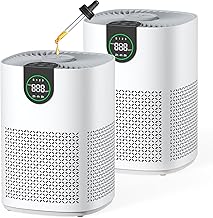
The dual-screen display gives this 600W utility heater a useful operational advantage in dim crawl-space access areas, where a quick glance can be easier than interpreting a small dial. Its 120V design and thermostat target freeze protection for crawl spaces and well houses. Treat the display as a convenience, not a substitute for a thermometer placed near the most vulnerable pipe.
BREEZOME 1500W Portable Electric Heater
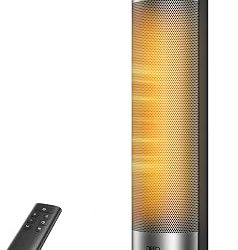
The BREEZOME offers substantially more output, 90-degree oscillation, a remote, a timer, and a quiet operating profile for ordinary indoor rooms. Those features can create broad, comfortable warmth in a finished utility room, but this is fundamentally a portable indoor heater rather than a dedicated crawl-space appliance. I would reserve it for a clean, dry, occupied or regularly monitored space where its clearances and safety systems can be observed.
DREO 1500W PTC Ceramic Heater
DREO’s PTC ceramic design, thermostat, oscillation, remote, ECO mode, and multiple settings make it flexible for a bedroom, office, or finished basement. Its controls are easy to manage when you want to fine-tune ambience and airflow, yet the 1,500W output may be excessive for a tight crawl space. Use it only where the manufacturer’s indoor-use guidance, ventilation, clearance, and electrical requirements match the installation.
Frequently Asked Questions
What temperature should a crawl space heater maintain?
There is no universal setting because insulation, drafts, pipe location, and local climate vary. The objective is to keep vulnerable plumbing safely above freezing, with a margin for cold spots; a separate thermometer near exterior-facing pipes can provide a more reliable reading than the heater’s built-in sensor alone.
Is a 600W heater enough to prevent frozen pipes?
It can be suitable for a small, insulated utility area, especially when the heater is positioned to circulate warmth around exposed plumbing. It may not overcome severe drafts or a large uninsulated crawl space, so sealing air leaks and insulating pipes should come first.
Can I use a bedroom space heater in a crawl space?
Usually, that is not the safest assumption. A portable indoor heater may not be rated for dust, moisture, tight clearances, or unattended operation in a crawl space; select a purpose-oriented utility heater only when its instructions and local requirements support that use.
What other protection should I add?
Insulate exposed pipes, seal obvious foundation drafts without blocking required ventilation, protect plumbing from direct cold air, and arrange periodic inspections during freezing weather. A heater should be a supplementary safeguard, not the only defense against a freeze.
Final Thoughts
For dedicated freeze protection, the Utility Heater with Built-In Thermostat and the 600W Pump House Heater with Thermostat are the most focused choices, while the 600W Utility Heater with Dual-Screen Display is appealing when at-a-glance monitoring matters. The BREEZOME and DREO are better suited to finished indoor rooms than unattended crawl spaces; whichever model you choose, pair controlled heat with pipe insulation, safe placement, and regular checks.