Key takeaways
- Loft retention over initial softness: A pillow that feels plush in the box but flattens after a month changes your seated height, which quietly ruins the lamp position you spent an evening dialing in. High-density memory foam holds its shape; loose polyester fill compresses fastest.
- Fabric sheen and light behavior: Matte knits and brushed velours absorb warm light and read soft at night. Glossy or slick covers throw specular highlights that fight a nearby floor lamp and look cheap in photographs.
- Depth versus your seat pan: A thick cushion pushes you forward, shortening the distance to your screen or page. Measure from your backrest to the front edge before committing to anything over four inches deep.
- Strap and anchor design: Recliner backs move. Adjustable straps keep the support at your natural lumbar curve through the whole recline arc rather than drifting up toward your shoulder blades.
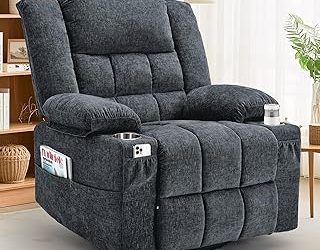
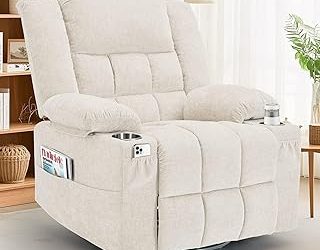
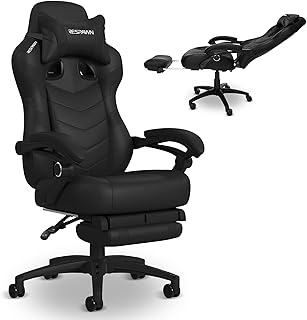
- Built-in versus added: Powered recliners with adjustable lumbar, like the CHITA models or the RESPAWN 110 Pro for desk-side setups, solve the problem structurally and keep your seating silhouette clean.
What's inside
Most lumbar cushions are bought in a panic at 9pm, right when the overhead light goes off and the reading lamp comes on. That’s not a coincidence. Evening is when a recliner stops being furniture and starts being a place you actually live, and it’s also when a poorly supported lower back turns a two-hour film into a fidget session. As someone who spends their working life positioning lamps and dimmers around seating, I’ll say the unglamorous part out loud: the geometry of how you sit under a light source matters as much as the bulb you chose. Slump six inches and your book falls into your own shadow.
This guide looks at lumbar support from that angle. Which cushions hold their loft in a low-lit room instead of collapsing into a lumpy silhouette, which fabrics behave under warm 2700K light versus cooler task lighting, and which recliners build the support into the frame so you don’t need an accessory at all. Below are the picks worth your attention this year, followed by a short buying framework and answers to the questions readers send most.
As an Amazon Associate we earn from qualifying purchases.




🛒 Best Price Today on Amazon
Prime members get fast, free shipping on everything above, plus member-only deals. New members get a 30-day free trial — cancel anytime.
How to Choose a Recliner Lumbar Support (2026)
- Loft retention over initial softness: A pillow that feels plush in the box but flattens after a month changes your seated height, which quietly ruins the lamp position you spent an evening dialing in. High-density memory foam holds its shape; loose polyester fill compresses fastest.
- Fabric sheen and light behavior: Matte knits and brushed velours absorb warm light and read soft at night. Glossy or slick covers throw specular highlights that fight a nearby floor lamp and look cheap in photographs.
- Depth versus your seat pan: A thick cushion pushes you forward, shortening the distance to your screen or page. Measure from your backrest to the front edge before committing to anything over four inches deep.
- Strap and anchor design: Recliner backs move. Adjustable straps keep the support at your natural lumbar curve through the whole recline arc rather than drifting up toward your shoulder blades.
- Built-in versus added: Powered recliners with adjustable lumbar, like the CHITA models or the RESPAWN 110 Pro for desk-side setups, solve the problem structurally and keep your seating silhouette clean.
The Best Recliner Lumbar Supports (2026) Reviewed
Soft and Fluffy Thick Lumbar Cushion for Recliners
The most forgiving option here, and the one I recommend for rooms lit by a single warm lamp because the plush surface diffuses light rather than reflecting it. It’s genuinely comfortable for casual lounging, though the soft fill means less structured correction than foam if your pain is persistent.
SofGlowly Large Memory Foam Back Support Cushion
A substantial, ergonomically contoured piece that stays put and keeps its shape night after night, which matters if you’ve set your reading light to a fixed height. The machine-washable coffee-toned cover is a smart neutral that disappears against most sofa and recliner upholstery.
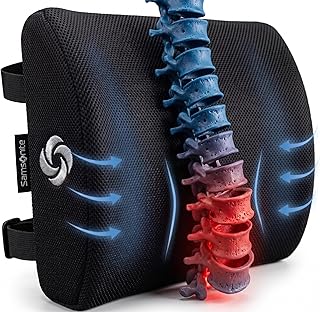
Samsonite Memory Foam Lumbar Support Pillow
The most portable and disciplined of the three cushions, moving easily from recliner to desk chair to car seat. Its slimmer profile is a real advantage in shallow-seated recliners where a thicker pillow would tip you out of your lamp’s cone of light.
CHITA Wall Hugger Genuine Leather Power Recliner
Built for tight rooms and RVs, with a power headrest and USB-C charging that removes one more cable from your side table. The saddle brown leather picks up warm light beautifully, though leather does mean more visible glare from directly overhead fixtures.
CHITA Swivel Rocker Power Recliner, Cognac Brown
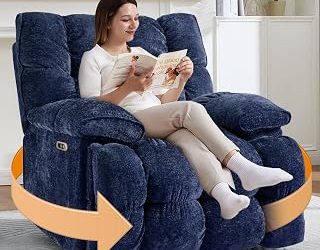
Triple-motor control over back, legs, and lumbar means you can tune support independently instead of layering pillows. The swivel is underrated for lighting reasons alone: you can rotate away from a window’s afternoon glare without moving the chair.
Frequently Asked Questions
Where exactly should a lumbar cushion sit?
At the inward curve of your lower back, roughly level with your belt line. Too high and it pushes your shoulders forward; too low and it functions as a seat wedge.
Can a cushion fix a recliner that’s already too soft?
Partially. Firm memory foam restores some structure, but if the seat foam itself has collapsed you’re treating a symptom. A cushion is a correction, not a rebuild.
Does a cushion interfere with a power recliner’s mechanism?
Not with normal-thickness pillows. Avoid wedging anything rigid near the hinge points or into the footrest cavity.
Which cover material is easiest to live with?
Removable, machine-washable knit covers, ideally in mid-tones. Very pale fabrics show wear under bright task lighting; very dark ones can read as a void in dim rooms.
Final Thoughts
For most readers, the SofGlowly memory foam cushion is the best balance of structure, durability, and quiet good looks in a warmly lit room, with the Samsonite pillow as the smarter pick for shallow seats and travel. If you’re replacing the chair rather than patching it, the CHITA Swivel Rocker’s adjustable lumbar and rotating base give you both back support and control over how light falls on you.