Key takeaways
- Headboard surface: Upholstered panels absorb light and soften the pool from a bedside lamp; wood and metal bounce it, which means sharper shadows and more visible glare. Choose fabric if you read in bed, wood or metal if you want the frame itself to catch light and read as a feature.
- Deck height and floor clearance: Anything from 12 to 14 inches leaves usable space beneath. That gap is where a low-wattage strip or a floor-level uplight can wash the wall behind the bed and make the whole frame appear to hover. Under 10 inches and you lose that option entirely.
- Finish tone under warm light: Test your intended bulb temperature against the frame color. Beige and pale grey fabrics go slightly yellow-green under 2700K; black metal and dark oak stay honest and read as clean negative space. Pine warms up beautifully and needs less help from a lamp.
- Integrated lighting quality: Built-in LEDs are worth having when they’re indirect — grazing the headboard or the floor rather than facing the room. If the strip points at your eye line from a seated position, you’ll turn it off after a week.
- Slat system and silence: Adjustable or closely spaced wooden slats support foam and hybrid mattresses without a box spring. Check for felt or rubber slat sleeves; the noise you notice at 2am is almost always slat-on-frame contact, not the joints.
What's inside
A bed frame does more to the light in your room than most people expect. Sit on the floor of any bedroom at dusk and you’ll see it: a low platform lets evening light spill across the floorboards uninterrupted, while a tall, boxy frame with a solid headboard carves the room into bright and dim halves. Buyers agonize over mattress support and squeak resistance — both fair concerns — and then wonder why the space still feels flat at 9pm. The frame is the largest object in the room and it sets the terms for every lamp you put beside it.
This guide reads six queen frames the way a lighting designer would: how the headboard handles a bedside glow, whether the deck height leaves room for an uplight or floor wash underneath, how fabric versus metal versus raw pine treats a warm bulb, and where built-in LEDs actually earn their place. Structural quality is still the baseline — nothing here rattles or sags — but the ranking accounts for how each frame behaves once the overhead goes off.
As an Amazon Associate we earn from qualifying purchases.



🛒 Best Price Today on Amazon
Prime members get fast, free shipping on everything above, plus member-only deals. New members get a 30-day free trial — cancel anytime.
How to Choose a Queen Size Bed Frame (2026)
- Headboard surface: Upholstered panels absorb light and soften the pool from a bedside lamp; wood and metal bounce it, which means sharper shadows and more visible glare. Choose fabric if you read in bed, wood or metal if you want the frame itself to catch light and read as a feature.
- Deck height and floor clearance: Anything from 12 to 14 inches leaves usable space beneath. That gap is where a low-wattage strip or a floor-level uplight can wash the wall behind the bed and make the whole frame appear to hover. Under 10 inches and you lose that option entirely.
- Finish tone under warm light: Test your intended bulb temperature against the frame color. Beige and pale grey fabrics go slightly yellow-green under 2700K; black metal and dark oak stay honest and read as clean negative space. Pine warms up beautifully and needs less help from a lamp.
- Integrated lighting quality: Built-in LEDs are worth having when they’re indirect — grazing the headboard or the floor rather than facing the room. If the strip points at your eye line from a seated position, you’ll turn it off after a week.
- Slat system and silence: Adjustable or closely spaced wooden slats support foam and hybrid mattresses without a box spring. Check for felt or rubber slat sleeves; the noise you notice at 2am is almost always slat-on-frame contact, not the joints.
The Best Queen Size Bed Frame (2026)s Reviewed
Fluest Queen Bed Frame with LED and Charging Station
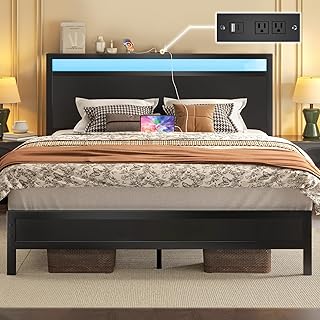
The only frame here with lighting designed in rather than added on, and it’s handled well: the LED runs indirect along the headboard so it grazes the surface instead of glaring outward, giving you a genuine low-level layer for late reading or a midnight trip down the hall. In classic black it disappears into a dim room and lets the light do the talking, and the built-in USB ports mean one fewer cable competing with your bedside lamp.
Allewie Upholstered Platform Bed, Dark Grey
Dark grey fabric is the most forgiving headboard surface in this group — it swallows spill from a bedside sconce and keeps contrast low, which is exactly what you want if your partner sleeps while you read. The wooden slat support is quiet and box-spring-free, though the deeper tone means you’ll want a slightly warmer or brighter bulb than a pale frame would need.
SHA CERLIN 14-Inch Metal Frame with Wood Headboard
The black oak wood panels catch a warm bulb and hold onto it, so the headboard reads as a deliberate design element rather than a backdrop — pair it with a single directional lamp and the grain does real work. At 14 inches with substantial clearance, it’s also the easiest frame here to light from below.
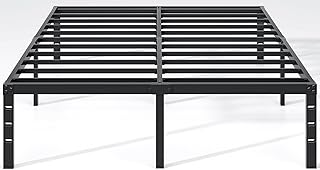
NEW JETO 14-Inch Metal Bed Frame with Storage
Minimal, black, and structurally serious, this is the frame to choose if you want the bed to vanish and your lighting scheme to carry the room. The generous 14-inch clearance is ideal for a concealed floor-level uplight, and with no headboard to block anything, wall-mounted fixtures have full freedom of placement.
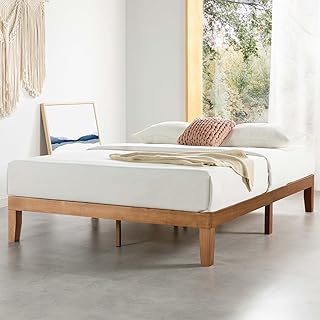
Mellow Naturalista Classic 12-Inch Solid Pine
Raw pine is the warmest surface in this roundup and needs the least help — a modest 2700K bulb reads generous against it, where the same lamp would feel thin next to grey fabric. It sits low at 12 inches, so treat it as a frame for tabletop and pendant light rather than anything underlit.
Frequently Asked Questions
Do built-in LED bed frames actually look good, or are they a gimmick?
It depends entirely on direction. Indirect LEDs that wash a headboard or the floor add a useful dim layer and look intentional; strips aimed into the room create glare at eye level and get switched off permanently. The Fluest handles this correctly by keeping the light grazing rather than facing.
How much clearance do I need under the bed for floor lighting?
Ten inches minimum, and 14 is comfortably better. That gives room for a slim uplight or LED strip set a few inches back from the frame edge, so the light spreads across the wall instead of forming a hard bright line at the baseboard.
Will a tall headboard make my bedroom feel darker?
It changes where light goes rather than how much there is. A tall solid headboard blocks reflected light from the wall behind it, which usually means you need your bedside lamps positioned a little higher or aimed slightly outward. Upholstered headboards compound this by absorbing rather than bouncing, so plan for one extra light source.
Does frame color really affect how a room feels at night?
Noticeably. Dark frames read as negative space and let your light sources define the room, which suits layered, moody schemes. Pale fabrics and light woods reflect and amplify whatever you point at them, making a single lamp go further but leaving less contrast to work with.
Final Thoughts
If you want lighting built in and handled thoughtfully, the Fluest is the clear pick — indirect LED plus charging ports solves two bedside problems at once. For a quiet, absorbent backdrop that keeps a reading lamp from waking anyone, go with the Allewie in dark grey. And if you’d rather design the light yourself, the NEW JETO metal frame gets out of the way completely and gives you 14 inches of clearance to work with.