Key takeaways
- Contouring Depth: Side sleepers need thicker profiles—3 to 5 inches—to cradle the shoulder and hip without bottoming out. Thin toppers compress flat under concentrated body weight, defeating the purpose entirely.
- Foam Density: Higher-density foam (3.5 lb/ft³ and above) maintains its shape over years rather than developing permanent body impressions. Low-density foam feels plush initially but flattens within months.
- Cooling Architecture: Gel infusions and ventilated core designs work together to dissipate the heat that memory foam inherently traps. Look for toppers that combine both—gel absorbs heat at the surface while ventilation channels pull warm air away from the body.
- Layered Construction: Dual-layer designs pair a supportive foam base with a softer comfort layer on top, mimicking the graduated feel of a premium hotel mattress. This separation lets each layer do its job without compromise.
- Cover Quality and Washability: A removable, breathable cover protects the foam and is easier to launder than wrestling an entire topper into a washing machine. Rayon and bamboo-derived covers manage moisture better than standard polyester blends.
What's inside
Side sleepers carry the weight of the world on their shoulders—literally. When your hip and shoulder bear the brunt of contact with a flat sleeping surface night after night, the result is that familiar morning stiffness, a dull ache radiating through the rotator cuff, and the kind of fatigue that no amount of coffee can undo. The culprit is almost always insufficient pressure-point contouring, and swapping out an entire mattress isn’t always practical or budget-friendly.
As someone who designs immersive atmospheres for a living—where the interplay of texture, surface, and how light interacts with every material in a room shapes the entire experience—I approach sleep surfaces the same way. A mattress topper isn’t just padding; it’s a layer that transforms how your body meets a surface, the way a matte-finish wall absorbs light differently than a glossy one absorbs weight. This guide distills six standout gel memory foam toppers into the five best options for side sleepers in 2026, evaluated for contouring depth, breathability, support density, and how they manage the microclimate between your body and the mattress beneath.
As an Amazon Associate we earn from qualifying purchases.


🛒 Best Price Today on Amazon
Prime members get fast, free shipping on everything above, plus member-only deals. New members get a 30-day free trial — cancel anytime.
How to Choose a Memory Foam Mattress Topper For Side Sleepers (2026)
- Contouring Depth: Side sleepers need thicker profiles—3 to 5 inches—to cradle the shoulder and hip without bottoming out. Thin toppers compress flat under concentrated body weight, defeating the purpose entirely.
- Foam Density: Higher-density foam (3.5 lb/ft³ and above) maintains its shape over years rather than developing permanent body impressions. Low-density foam feels plush initially but flattens within months.
- Cooling Architecture: Gel infusions and ventilated core designs work together to dissipate the heat that memory foam inherently traps. Look for toppers that combine both—gel absorbs heat at the surface while ventilation channels pull warm air away from the body.
- Layered Construction: Dual-layer designs pair a supportive foam base with a softer comfort layer on top, mimicking the graduated feel of a premium hotel mattress. This separation lets each layer do its job without compromise.
- Cover Quality and Washability: A removable, breathable cover protects the foam and is easier to launder than wrestling an entire topper into a washing machine. Rayon and bamboo-derived covers manage moisture better than standard polyester blends.
The Best Memory Foam Mattress Topper For Side Sleepers (2026) Reviewed
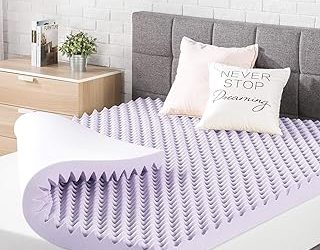
PERLECARE 3 Inch Gel Memory Foam Topper
The PERLECARE brings a surprisingly refined feel at a competitive price point. Its gel-infused foam with a ventilated structure channels air effectively, and the non-slip base paired with a fully removable, washable Oeko-Tex certified cover makes it one of the most practical choices for anyone who values both comfort and hygiene. For side sleepers under 180 pounds, the 3-inch profile hits a sweet spot of cushioning without excessive sink.
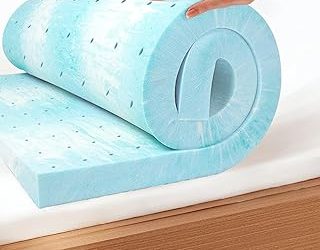
ViscoSoft 3 Inch High Density Ventilated Topper
ViscoSoft’s high-density core sets it apart from the foam crowd—it resists the body-impression problem that plagues cheaper alternatives after a few seasons. The ventilated design moves air through the foam rather than just across the surface, and the premium removable rayon cover adds a tactile softness that elevates the overall sleeping experience. This is a strong pick for side sleepers who need firmer support with a plush surface layer.
5 Inch Mega Support Dual Layer Topper
With a full 5 inches of combined foam—a 2.5-inch pillow top over a 2.5-inch cooling gel base—this topper addresses the chronic problem side sleepers face when a thinner option simply can’t cushion the shoulder and hip simultaneously. The dual-density approach mirrors what you’d find in luxury hospitality mattresses, and heavier side sleepers will particularly appreciate that the support layer doesn’t collapse under load.
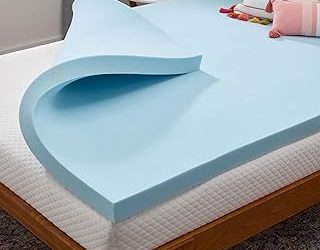
MASVIS 4 Inch Dual Layer Topper
The MASVIS splits its 4 inches evenly between a cooling gel memory foam layer and a pillow top cover layer, creating a distinctly two-phase feel: immediate softness on contact, then firm contouring underneath. Designed specifically for back pain relief, it positions the spine in neutral alignment for side sleepers more effectively than most single-layer competitors. The cover zips off easily, which is a detail that matters more after three months of nightly use than it does in a product listing.
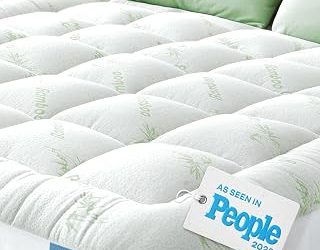
EGO 3 Inch Gel Memory Foam Topper
The EGO leans into ventilation more aggressively than its peers, with a perforated foam structure that keeps surface temperature notably cool. Its CertiPUR-US certification ensures low chemical emissions, making it a solid option for sensitive sleepers. The “bed-in-a-box” delivery format means it arrives compressed and expands fully within a day, and the 3-inch depth provides adequate contouring for side sleepers under 200 pounds who prioritize airflow above all else.
Frequently Asked Questions
How thick should a mattress topper be for side sleepers?
Side sleepers generally benefit from toppers between 3 and 5 inches thick. The shoulder and hip are the primary pressure points, and a thinner topper often compresses completely under these areas, transferring pressure directly to the mattress below. Heavier individuals should lean toward the 4 to 5-inch range for adequate contouring.
Does gel memory foam actually sleep cooler?
Gel-infused memory foam does absorb and redistribute body heat more evenly than traditional memory foam, reducing the concentrated hot spots that cause tossing. However, the biggest temperature improvements come from ventilated foam cores with physical airflow channels, not gel alone. The best cooling toppers combine both technologies.
Can a mattress topper fix a mattress that is too firm?
A quality memory foam topper can significantly soften an overly firm mattress by adding a contouring layer between your body and the rigid surface. A 3 to 4-inch topper with appropriate density will transform most firm mattresses into a medium-feel sleeping surface. It will not, however, correct a mattress that is sagging or structurally compromised.
How long do memory foam mattress toppers last?
A well-made topper with density above 3.5 lb/ft³ typically lasts 3 to 5 years before showing noticeable body impressions or loss of resilience. Lower-density options may begin compressing within 1 to 2 years. Using a quality mattress protector and rotating the topper periodically extends its effective lifespan.
Final Thoughts
For side sleepers navigating the topper market in 2026, three options stand above the rest: the MASVIS Dual Layer for its exceptional pressure-point relief and spinal alignment, the ViscoSoft High Density for long-term durability paired with genuine cooling performance, and the 5 Inch Mega Support for heavier side sleepers who need maximum depth without compromise. Each one transforms a sleeping surface the way the right lighting transforms a room—it’s not about adding more, it’s about adding the right layer at the right depth.