Key takeaways
- Foam density over foam thickness: A three-inch topper at 4–5 lb/ft³ will outlast and out-support a five-inch topper made of airy 2.5 lb foam. If a listing advertises inches but stays quiet about density, treat that silence as an answer.
- Match firmness to the bed underneath: On a mattress that already sags, choose extra-firm foam to bridge the dip. On a firm or new mattress that simply feels punishing, a quilted pillow top adds surface give without losing the support below.
- Plan for heat: Larger bodies contact more surface area, and dense foam insulates. Gel infusion, ventilated channels, or a breathable bamboo-derived rayon cover are not upsells here — they’re the difference between sleeping through and waking at 3 a.m.
- Check the anchoring system: Deep-pocket skirts (18–20 inches) and elasticized corners keep a topper from migrating. Thick foam pads that rely on friction alone tend to creep, and a shifted topper is what creates that visible shoulder of shadow along the mattress edge.
- Insist on a removable, washable cover and CertiPUR-US foam: Heavier sleepers put more moisture and load into a topper. A cover you can strip and launder extends its usable life by years, and the certification tells you the foam was tested for emissions and durability.
What's inside
I spend my working days deciding how a bedroom reads after sundown — where the warm 2200K pools sit, how a bedside shade softens the light, whether the room invites you to slow down. And I’ve learned that all that careful layering falls apart the moment someone sits on the bed and it dips like a hammock. A sagging sleep surface catches raking lamplight along its low edge and broadcasts fatigue across the whole room. For sleepers over roughly 230 pounds, the problem isn’t decorative. Most toppers sold as “plush” are built around a 150-pound body: two inches of low-density foam that bottoms out under hips and shoulders, leaving you resting on the mattress you were trying to fix.
This guide is written for that specific failure. Below are toppers that hold their loft under real weight — high-density and extra-firm foams, dual-layer builds that pair support with a genuine cushion, and cooling constructions that matter more for larger bodies, since a heavier frame simply generates and traps more heat. I’ve flagged what each one actually does well, where it compromises, and how to match thickness to your existing mattress rather than stacking softness on softness.
As an Amazon Associate we earn from qualifying purchases.



🛒 Best Price Today on Amazon
Prime members get fast, free shipping on everything above, plus member-only deals. New members get a 30-day free trial — cancel anytime.
How to Choose a Mattress Topper For Heavy Person (2026)
- Foam density over foam thickness: A three-inch topper at 4–5 lb/ft³ will outlast and out-support a five-inch topper made of airy 2.5 lb foam. If a listing advertises inches but stays quiet about density, treat that silence as an answer.
- Match firmness to the bed underneath: On a mattress that already sags, choose extra-firm foam to bridge the dip. On a firm or new mattress that simply feels punishing, a quilted pillow top adds surface give without losing the support below.
- Plan for heat: Larger bodies contact more surface area, and dense foam insulates. Gel infusion, ventilated channels, or a breathable bamboo-derived rayon cover are not upsells here — they’re the difference between sleeping through and waking at 3 a.m.
- Check the anchoring system: Deep-pocket skirts (18–20 inches) and elasticized corners keep a topper from migrating. Thick foam pads that rely on friction alone tend to creep, and a shifted topper is what creates that visible shoulder of shadow along the mattress edge.
- Insist on a removable, washable cover and CertiPUR-US foam: Heavier sleepers put more moisture and load into a topper. A cover you can strip and launder extends its usable life by years, and the certification tells you the foam was tested for emissions and durability.
The Best Mattress Topper For Heavy Person (2026)s Reviewed
Niagara Sleep Solution Ultra Soft & Cooling Topper
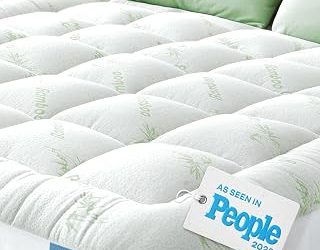
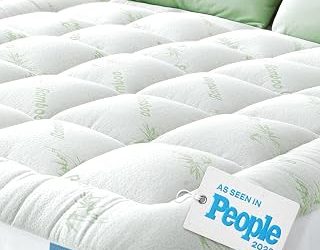
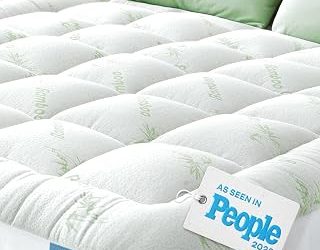
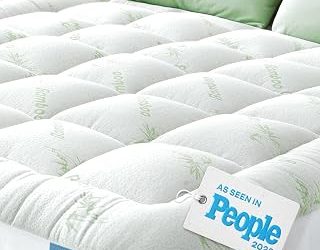
This is the pillow-top choice for someone whose mattress is still structurally sound but sleeps too hard and too hot — the bamboo-derived rayon surface stays notably cool to the touch, and the 20-inch deep pocket grips a tall mattress without wrestling. Understand its role clearly: it adds a soft, breathable layer, not corrective support, so pair it with a firm base rather than asking it to fix a sag.
5 Inch Mega Support Memory Foam Topper
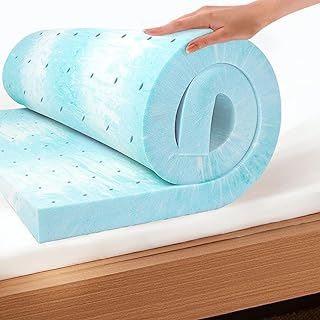
The most complete rebuild on this list, stacking 2.5 inches of gel-infused memory foam beneath a 2.5-inch quilted pillow top so you get pressure relief and cushioning in one purchase. Five inches meaningfully raises bed height, so measure your fitted sheets and your headboard proportions before committing.
Sleepmax Extra Firm 3 Inch Topper
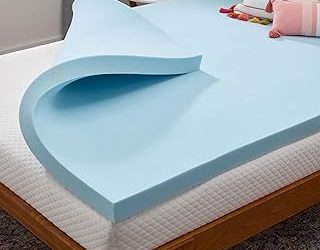
High-density fusion foam that resists the slow collapse most toppers show within a season, making it my default recommendation for heavier back and stomach sleepers who need the hips held level. The washable premium cover and odor-free, CertiPUR-US foam make it an easy one to live with from night one.
3 Inch Extra Firm Topper for Big Guys
Purpose-built for the upper end of the weight range, with firm foam that pushes back rather than cradling — the right call if you’ve broken down two toppers already. It’s the most supportive option here for back-pain sufferers, though sleepers who want a plush surface feel will find it unforgiving.
EGO 3 Inch Gel Memory Foam Topper
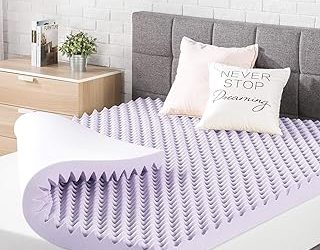
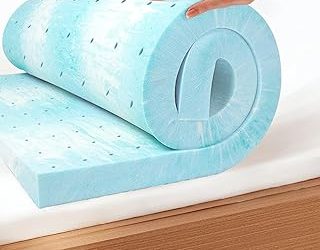
A ventilated, gel-infused build that manages heat better than its price suggests, with enough density to support larger frames without going rigid. It strikes the middle ground between the extra-firm slabs and the plush pillow tops, which makes it a sensible pick for couples with different preferences.
Frequently Asked Questions
How thick should a topper be for a heavier sleeper?
Three inches of high-density foam is the practical baseline; below that, hips sink through to the mattress. Move to a four- or five-inch dual-layer build only if your mattress is genuinely worn and you want cushioning on top of correction.
Will a firm topper make back pain worse?
Usually the opposite. Pain in heavier sleepers more often comes from the spine bowing into a soft surface than from too much firmness. Give any new topper two to three weeks before judging it.
Do these toppers sleep hot?
Dense foam does retain heat, which is why gel infusion and ventilation matter at this weight range. A breathable cover and cotton sheets do more for surface temperature than most people expect.
How long should a topper last under heavy use?
Expect three to five years from a 4 lb/ft³ or denser foam with a protective cover, and one to two from budget low-density foam. Rotate it head-to-foot every few months to even out compression.
Final Thoughts
If your mattress has developed a dip, start with the Sleepmax Extra Firm or the 3 Inch Extra Firm topper built for big guys — both hold a level surface where softer pads surrender. If your bed is firm and you’re after comfort and cooling, the 5 Inch Mega Support dual-layer gives you the fullest transformation, with the BDEUS dual-layer quilted pillow top as a close alternative for anyone who wants that plush, light-catching loft without giving up the foam support underneath.