Our Top Picks


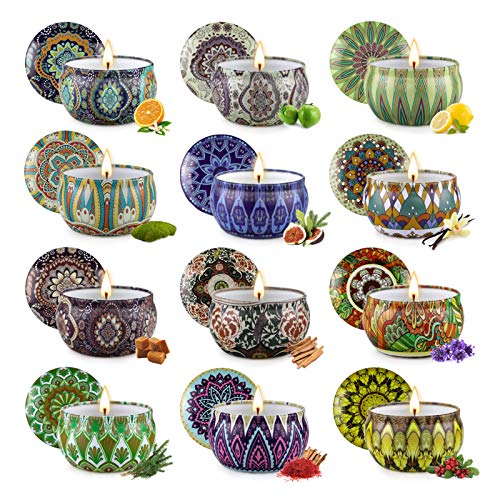
Best Luxury Scented Candles: How to Judge Quality Beyond the Label
Short answer: the best luxury scented candles combine a clean-burning wax, a well-matched wick, a well-balanced fragrance and a vessel worth keeping, then tell you honestly what is inside. Price alone is not proof of quality, so judge by the wax blend, the wick type, how the fragrance is described, the quality of the container and the burn guidance the maker provides. Decide on your scent family and the room first, then use the comparison tables below to narrow your options.
Table of Contents
- What “Luxury” Should Actually Mean
- Wax Types Compared
- Wicks and Burn Quality
- Fragrance: Notes, Families and Strength
- Vessels, Lids and Presentation
- How to Choose
- How to Burn a Candle Properly
- Safety and Sensitivity
- Common Mistakes
- Who Should Choose What
- Buying Checklist
- Frequently Asked Questions
- Conclusion
What “Luxury” Should Actually Mean
The word luxury is applied to candles very freely, and it is worth asking what it should mean when you are about to spend more than usual on something that burns away. At its best, a luxury candle is a product where several things have been done carefully at once. The wax has been chosen to burn evenly and hold fragrance. The wick has been matched to the width of the vessel so the candle neither tunnels nor overheats. The fragrance has been composed with a progression of notes rather than a single flat smell. The container is solid, balanced and attractive enough to reuse. And the maker is willing to say plainly what the candle contains and how to burn it.
Marketing words such as artisan, small-batch, couture, signature or limited edition are not quality measures, and many carry no agreed definition. A heavy glass vessel with gold lettering might signal good packaging, but it says nothing about how the candle burns. Treat the presentation as one factor among several, not a stand-in for the rest.
It also helps to be clear about what you want from the candle. For some people, a luxury candle is a gift or a ritual: lit for an hour at the end of a day, on a bath tray or a dinner table, with a fragrance that feels special. For others it is a room accent that sits on a coffee table whether lit or not. Knowing which you are shopping for changes how much you should weigh scent complexity against vessel design.
Wax Types Compared
The wax is the base of the candle and shapes how it burns, how it carries scent and how it looks. No single wax is best for everyone. Many quality candles use blends, which can combine the strengths of two or more materials.
| Wax | Source | Burn character | Scent release | Considerations |
|---|---|---|---|---|
| Soy | Soybean oil, hydrogenated | Slow, creamy, can frost or look uneven on top | Often a gentle, warm throw | Usually blended; surface imperfections are cosmetic |
| Coconut blends | Coconut oil, often blended with other waxes | Smooth, creamy, even melt pool | Often carries fragrance well | Quality depends on the blend; read the label |
| Beeswax | Honeybee comb | Dense, slow-burning, naturally honeyed | Subtle natural scent that can compete with added fragrance | Better for unscented or lightly scented candles |
| Paraffin | Petroleum refining | Bright, strong, consistent | Often a strong throw | Widely used in quality candles when refined; some buyers prefer to avoid it |
| Palm and vegetable blends | Plant oils | Crystalline look in some forms | Variable | Check the sourcing statements if sustainability matters to you |
| Wax blends | Mixtures of the above | Tuned by the maker | Tuned by the maker | Most common in higher-end candles |
Because there is no universal winner, focus on whether the maker names the wax or blend, and whether the candle burns consistently. Be wary of vague statements that offer no information at all. Equally, claims that a candle is “toxin-free” or “purifies the air” are not credible, and no candle should be marketed that way.
Wicks and Burn Quality
The wick is the engine of the candle, and a mismatched wick is the most frequent cause of a disappointing expensive candle. A wick that is too small causes tunneling, where the flame burrows down the center and leaves a wall of unused wax. One that is too large burns hot, makes a large flame and can blacken the glass with soot. A well-chosen wick makes the surface melt to the edges within a reasonable burn time and then holds a steady, modest flame.
| Wick type | Flame and sound | Strengths | Watch for |
|---|---|---|---|
| Braided cotton | Quiet, steady flame | Reliable, common, easy to trim | Can mushroom if untrimmed |
| Cotton core with paper or zinc support | Stable, upright | Holds shape in tall vessels | Metal-core claims vary; read the description |
| Wooden wick | Wide flame, soft crackle | Ambient look and sound | Needs trimming and relighting care; can drown in wax |
| Hemp or similar fiber | Steady, slightly thicker flame | Appeals to natural-material buyers | Performance depends on pairing with wax |
| Multi-wick | Several small flames | Good for wide vessels | Needs more space and careful trimming |
You can see signs of a good wick before you buy: it should sit centered, be of reasonable length, and appear firmly set. After lighting, watch for a flame about the size of a small flicker rather than a tall blaze, and for a melt pool that spreads steadily outward.
Fragrance: Notes, Families and Strength
Most luxury candles describe their scent in three layers. Top notes are the first impression, often citrus, herbs or light fruit, and they fade quickly. Heart notes form the main character, such as florals, spices or tea. Base notes, such as woods, amber, musk, vanilla or resins, linger. A well-composed candle lets these layers unfold as the candle warms, whereas a flat one smells the same from first lighting to last.
Fragrance in candles comes from fragrance oils, essential oils or blends of both. Essential oils are not automatically better, and some scent profiles, like clean linen or fresh rain, can only be created with fragrance compounds. What matters more is whether the maker lists what is used and whether the candle is formulated for safe burning. If you are sensitive to fragrance, check if the maker publishes ingredient information and allergen labeling, and test a new scent in short sessions.
| Scent family | Typical notes | Mood and use |
|---|---|---|
| Woody | Cedar, sandalwood, oud-style, smoke | Grounded; living rooms and studies |
| Floral | Rose, jasmine, peony, tuberose | Soft or romantic; bedrooms, baths |
| Fresh | Citrus, sea salt, linen, green leaves | Light and bright; kitchens, entryways |
| Gourmand | Vanilla, caramel, coffee, fig | Cozy; cooler months, dining areas |
| Spiced and resinous | Amber, incense, clove, frankincense | Rich and dramatic; evenings |
| Herbal and green | Basil, tea, eucalyptus, fern | Clean and calm; bathrooms, desks |
Strength is partly about the amount of fragrance in the wax and partly about the size of the melt pool, so a larger candle in a larger vessel often fills a room more readily than a small one. Dense, rich scents can overwhelm small rooms and cold-throw (the scent from an unlit candle) tells you little about how it will smell once burning.
Vessels, Lids and Presentation
Glass, ceramic, stone and metal vessels each have a place. Thick glass is practical and lets you watch the burn. Ceramic and stone feel substantial and can be repurposed as planters, brush holders or trinket dishes after the candle is finished, but check that any reuse is safe and the interior is thoroughly cleaned. Metal tins are practical and travel-friendly but less decorative. A lid helps preserve scent and keeps dust off, and it is also a convenient way to snuff the flame without smoke. Check that the vessel’s base is wide and stable, and that its rim is not so narrow that the flame sits deep inside and starves for oxygen.
How to Choose
- Name the purpose. Gift, nightly ritual, entertaining, or display piece. Gifts should lean toward crowd-pleasing scents and elegant packaging; rituals reward complexity and burn quality.
- Choose the scent family by room. Fresh and herbal notes suit bathrooms and kitchens, woody and resinous notes suit living rooms, and softer florals suit bedrooms.
- Read what the maker discloses. Look for the wax type, wick type, fragrance description, net weight or volume, and burn guidance. A brand that tells you little deserves a smaller purchase.
- Match size to use. A larger candle burns longer per session and supports a wider melt pool, but only suits you if you will use it often enough to finish it.
- Inspect the vessel. Look for thick walls, a stable base and a finish that suits your decor.
- Judge the wick and surface. A centered wick and a smooth surface are good signs, though cosmetic frosting on natural waxes is normal.
If you are unsure, begin with a mid-sized candle in a scent family you already like in other products such as perfume or tea, and note how you feel about the fragrance after an hour or two of burning rather than judging on the first sniff.
How to Burn a Candle Properly
How you burn a candle affects performance as much as how it was made. Follow the maker’s instructions, and use these general habits as a baseline.
- Trim the wick to a short length, about a few millimeters, before each lighting. Long wicks create tall flames and soot.
- Let the first burn reach the edges. Burn long enough that the melted pool reaches the vessel’s rim. This helps avoid tunneling. For many mid-sized candles that takes a couple of hours, but follow the label.
- Do not burn for too long at once. Many makers suggest stopping after a few hours so the vessel does not overheat and the wick does not build up carbon. Let it cool and relight later.
- Keep the surface clean. Remove matches, wick trimmings and debris from the wax pool.
- Extinguish gently. Use a snuffer or lid to avoid smoke and splatter, and let the wax set before moving the candle.
- Stop at the end. Do not burn the last small amount of wax at the base; follow the manufacturer’s note on remaining wax height.
Safety and Sensitivity
An open flame is an open flame, and expensive candles are no exception. Place candles on a stable, heat-resistant surface, well away from curtains, paper, plants and shelves overhead. Keep them out of reach of children and pets, never leave them burning unattended, and extinguish them before leaving the room or going to sleep. Avoid drafts, which cause uneven burning and flare-ups. Thick glass can crack with a sudden temperature shift, so do not set a warm candle on a cold stone surface or pour water on a vessel.
Fragrance sensitivity is a real consideration. Some people find strongly scented candles irritating, and homes with infants, asthma, or sensitive pets may do better with lighter scents, shorter burn times, good ventilation or unscented candles. Cats and birds in particular can be sensitive to airborne fragrances and smoke, so ask a veterinarian if you are unsure. Candles are for ambience and fragrance only; they do not treat or prevent any health condition, and you should be skeptical of products that suggest otherwise.
Common Mistakes
- Paying for packaging while ignoring wax, wick and burn guidance.
- Judging a scent from a quick sniff at the lid and not considering how it develops warm.
- Blowing out a candle before the melt pool reaches the edge, then wondering why it tunnels.
- Burning for long sessions with an untrimmed wick.
- Placing a candle on a surface that is not heat-resistant, or too near fabric.
- Buying a heavy gourmand scent for a small room you use all day.
- Assuming “natural” or “clean” on a label means no care is needed.
Who Should Choose What
Gift givers are best served by balanced scents in elegant, reusable vessels with a lid. Daily burners may prefer a well-made coconut or soy blend with cotton wicks, because these suit regular use and simple trimming. Atmosphere seekers might choose a wooden wick, which offers a wider flame and a soft crackle. Sensitive households can choose lightly scented or unscented beeswax. Design-led buyers should prioritize a vessel they will reuse. You can compare a range of luxury scented candles, consider a wick trimmer and candle snuffer to look after them, or explore candle gift sets when choosing for someone else.
Buying Checklist
- Decide whether the candle is a gift, a ritual or a display piece.
- Read the wax, wick and fragrance description before looking at the price.
- Choose a scent family that suits the room.
- Check the vessel for thick walls and a stable base.
- Look for clear burn instructions and warnings.
- Confirm the size suits how often you will burn it.
- Consider sensitivities in the household before buying a strong scent.
- Buy a wick trimmer and snuffer if you don’t own them.
Frequently Asked Questions
Is a more expensive candle always better?
No. Higher cost may reflect packaging, branding and small production, not only burn quality. Judge by disclosed ingredients, wick and wax pairing, and burn guidance.
Is soy wax better than paraffin?
Neither is better in every case. Soy and coconut blends are favored by buyers who prefer plant-based waxes, while refined paraffin can give a strong scent. Performance depends on the formulation.
Why does my candle tunnel?
Usually the first burns were too short, or the wick is too small for the vessel. Burning until the surface melts to the edge usually helps.
How long should I burn a candle at a time?
Follow the label. Many makers suggest a few hours per session, with enough time for the pool to reach the edge but not so long that the vessel overheats.
Why is my candle sooting?
Long wicks, drafts and oversized flames are typical causes. Trim the wick, move the candle away from air currents and extinguish it if the flame is tall.
Can I reuse the vessel?
Often yes, once the wax is removed and the vessel has cooled and been cleaned. Avoid using any reused vessel for food unless you are certain it is food-safe.
What causes a weak scent?
The cause may be a small melt pool, a cold or very large room, or nose fatigue. Burning longer or moving the candle to a smaller room can help.
Are luxury candles safe for pets?
Keep any candle out of reach, ventilate the room, and ask a veterinarian about fragrance exposure, especially for cats and birds.
Conclusion
The best luxury scented candles earn the word through clear information, a well-matched wick and wax, a layered fragrance and a vessel that deserves a second life. Choose by room and purpose, trim the wick, let the wax melt to the edge, and always burn with care. Spend where it improves the experience, not just the packaging.
Disclosure: As an Amazon Associate, we earn from qualifying purchases. If you buy through links on this page, we may earn a commission at no extra cost to you.
More from Amazon
Programs that pair well with the guide above. Offers and eligibility are set by Amazon and may change.
Collect the home and kitchen items you want in one registry that guests can shop from.
Create a wedding registrySet up recurring deliveries of everyday items on eligible products. Terms and savings are set by Amazon.
Explore Subscribe & SaveFree shipping on eligible items, Prime Video and more. Eligible new members can start with a free trial.
Start a Prime free trialAudiobooks and podcasts to listen to on the go. Eligible new members can start with a free trial.
Try Audible freeAs an Amazon Associate we earn from qualifying purchases.