3 Best Lantern Rechargeable Batteries (November 2026)
best lantern rechargeable batteries: compare high-capacity D cells for camping lanterns, with runtime, cycle life and smart charging advice for long nights.
Best for: Campers who run a lantern all evening and want maximum runtime from one set on every single trip.
Watch out for: Needs a charger that accepts D-size cells, which many small chargers made for AA cells do not.
Best for: Owners who recharge weekly and want cells rated for many cycles for years of use.
Watch out for: Four cells only, so a second lantern needs a second pack from the same range.
Best for: First-time buyers who want a simple pre-charged set for a lantern or emergency kit at home or camp.
Watch out for: Single-use alkaline cells may suit very rare use better, since these rechargeable cells need occasional charging every few months.
A camping lantern is only as useful as the batteries inside it, and the wrong cells turn a bright evening into a dim one long before bedtime. Disposable alkalines drain fast in a lantern that runs for hours, and buying fresh packs for every trip adds up quickly. Rechargeable D cells solve both problems: they hold a large charge, they can be topped up again and again, and they keep a lantern shining at full strength through a whole weekend outdoors. When a lantern fades halfway through the night, the campsite goes dark just when light matters most.
This guide is for campers, cabin owners, emergency-kit builders and anyone who runs a lantern for hours at a time. The three battery sets below were chosen from the names and specifications on their Amazon product pages, with capacity, chemistry and cycle life weighed against what a lantern actually needs on a dark night. Each set below keeps a lantern glowing steadily instead of fading early in the evening.
Quick Picks
As an Amazon Associate we earn from qualifying purchases
Product
Best for
Key spec from title
Tenergy D 10000mAh 4-Pack
Longest nights at camp
10000mAh NiMH capacity for long overnight lantern runtime
POWEROWL D 10000mAh 4-Pack
Frequent recharging
Up to 1200 recharge cycles for years of regular use
Amazon Basics D 4-Pack
Simple ready-to-use spares
10000mAh pre-charged cells ready for use straight away
How to Choose
Match the size your lantern takes
Lanterns take different cell sizes, and the size printed inside the battery compartment decides everything. Most large camping lanterns run on D cells, which carry far more charge than AA or C cells and suit a light that burns for hours. Smaller handheld lanterns often take AA cells instead, and a D cell will not fit them no matter how good it is. Open the compartment or check the manual before ordering, and count how many cells the lantern needs so the pack size matches. A four-pack suits most single lanterns, while a household with two or three lanterns benefits from a larger set.
Capacity decides how long the light lasts
Capacity, measured in milliamp hours, is the number that sets runtime. A D cell rated at 10000mAh holds roughly twice the charge of a cell rated near 5000mAh, which means roughly twice the hours of light from the same lantern on the same setting. High capacity matters most on the brightest mode, where a lantern draws current fast and a weak cell fades early. Keep in mind that stated capacity is measured under laboratory conditions, so real runtime varies with temperature and brightness. Cold nights shorten runtime, and a lantern left on high all evening drains cells faster than one dimmed after dinner.
Chemistry and self-discharge shape real use
Most rechargeable D cells use nickel-metal hydride chemistry, which handles repeated charging well and avoids the memory problems of older rechargeable types. Low self-discharge matters just as much: a cell that holds its charge on the shelf is ready when a storm knocks out the power months after you charged it. Standard NiMH cells lose charge over weeks, while low self-discharge designs keep most of their energy for months. Check whether the listing states low self-discharge before buying, and prefer pre-charged cells if the pack will sit in an emergency kit. A cell that arrives charged and stays charged is worth more than a slightly larger one that arrives flat.
Count the cycles and the charger
A rechargeable battery earns its keep through repeated use, so the number of recharge cycles matters. A cell rated for 1000 cycles can be charged weekly for years, while one rated for far fewer may fade after a season of heavy use. Match the cells to a charger that handles D size, since many common chargers only take AA and AAA cells. A smart charger that stops when cells are full protects them from overcharging and extends their life. Avoid mixing old and new cells in the same lantern, and avoid mixing brands in one set, because uneven cells drain each other.
The 3 Best Options
Tenergy D 10000mAh 4-Pack
Top Pick
Tenergy D 10000mAh 4-Pack
Best for: Campers who run a lantern all evening and want maximum runtime from one set on every single trip.
Watch out for: Needs a charger that accepts D-size cells, which many small chargers made for AA cells do not.
Campers who run a lantern all evening and want maximum runtime from one set on every single trip.
Watch out for: Needs a charger that accepts D-size cells, which many small chargers made for AA cells do not.
Watch out for
Needs a charger that accepts D-size cells, which many small chargers made for AA cells do not.
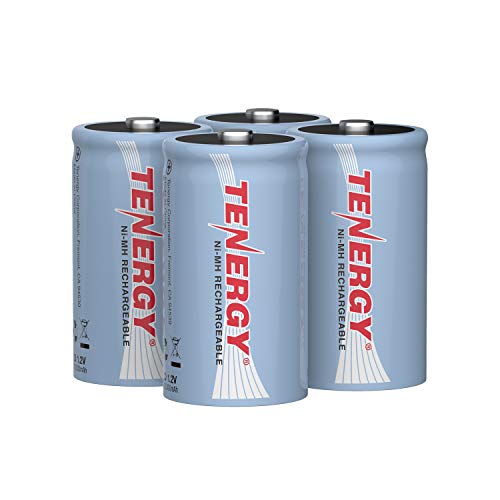
The Tenergy four-pack suits campers who want the longest possible runtime from a single set of cells. Each cell carries a 10000mAh rating, which gives a large lantern hours of steady light on a medium setting and a strong evening on high. The nickel-metal hydride chemistry handles repeated charging without fuss, and the low self-discharge design means the cells keep most of their charge while sitting in a pack between trips. Four cells fit most large lanterns exactly, and the set works well as a dedicated kit that stays with the lantern rather than wandering into other devices around the house. Brightness holds until the cells run low.
POWEROWL D 10000mAh 4-Pack
Runner-Up
POWEROWL D 10000mAh 4-Pack
Best for: Owners who recharge weekly and want cells rated for many cycles for years of use.
Watch out for: Four cells only, so a second lantern needs a second pack from the same range.
Owners who recharge weekly and want cells rated for many cycles for years of use.
Watch out for: Four cells only, so a second lantern needs a second pack from the same range.
Watch out for
Four cells only, so a second lantern needs a second pack from the same range.
The POWEROWL four-pack is built for owners who recharge often and want cells that keep going through many seasons. Each cell holds 10000mAh, matching the largest capacity in this guide, and the listing rates the cells for up to 1200 recharge cycles, which covers years of regular weekend use. The cells arrive pre-charged, so they can go straight into a lantern on arrival, and the low self-discharge chemistry keeps them ready between trips. For a household that uses lanterns through the summer camping season and keeps them ready for winter power cuts, the high cycle count is the feature that matters most. That rating suits heavy seasonal use.
Amazon Basics D 4-Pack
Amazon Basics D 4-Pack
Best for: First-time buyers who want a simple pre-charged set for a lantern or emergency kit at home or camp.
Watch out for: Single-use alkaline cells may suit very rare use better, since these rechargeable cells need occasional charging every few months.
First-time buyers who want a simple pre-charged set for a lantern or emergency kit at home or camp.
Watch out for: Single-use alkaline cells may suit very rare use better, since these rechargeable cells need occasional charging every few months.
Watch out for
Single-use alkaline cells may suit very rare use better, since these rechargeable cells need occasional charging every few months.
The Amazon Basics four-pack is the straightforward choice for anyone who wants dependable cells without studying specifications. Each cell carries a 10000mAh rating and arrives pre-charged, so the pack works the moment it comes out of the box. The low self-discharge design keeps the cells ready on a shelf, which suits an emergency kit that may sit untouched for months. Recharging up to 1000 times covers years of normal use, and the plain packaging keeps the focus on the cells themselves. For a first set of rechargeable D cells, or a spare set kept with the lantern, this pack covers the basics well. It suits households that value simplicity.
Which One Fits Your Situation
A weekend camping trip
A single lantern on a weekend trip needs one strong set of cells and nothing more. The Tenergy four-pack gives the longest runtime from one charge, which matters when the lantern stays on from dinner until bedtime. Charge the cells fully before leaving, carry a spare set if the trip runs past two nights, and keep the cells warm inside a tent on cold nights to protect runtime. Pack the charger too.
An emergency kit at home
An emergency kit needs cells that stay charged for months and work the moment the lights go out. The Amazon Basics four-pack suits this role well, since the cells arrive pre-charged and the low self-discharge design holds that charge on a shelf. Check the cells every few months, top them up if needed, and store them inside the lantern so they are easy to find in the dark during a blackout.
Heavy use through the season
Households that run lanterns all summer need cells rated for many cycles. The POWEROWL four-pack leads here with its rating of up to 1200 recharges, which covers years of weekly use. Pair the cells with a smart charger that stops at full charge, rotate two sets so one is always ready, and replace the whole set together when runtime starts to fall. Keep the spare set charged between trips.
A first set of rechargeable cells
Buyers moving from disposable alkalines should start simple. The Amazon Basics four-pack needs no learning curve: the cells arrive charged, fit the lantern, and recharge in a standard D-size charger. Learn the routine of charging after each trip, and add a second pack later once the habit sticks. Mark the cells with the purchase date so the set stays matched over time. A labelled set avoids mix-ups.
Common Mistakes
Buying the wrong cell size for the lantern, then finding the cells do not fit the compartment when the trip begins.
Mixing old and new cells in one lantern, which drains the stronger cells and leaves the light dim before the night ends.
Using a charger that only accepts AA and AAA cells, leaving D cells with no way to recharge far from home.
Storing cells flat for months without checking them, then finding them empty during a winter power cut when light is needed most.
Expecting laboratory capacity figures to match real runtime on a cold night at full brightness in winter, far from any power source.
Frequently Asked Questions
How long do rechargeable D batteries last in a lantern?
Runtime depends on capacity and brightness, but a 10000mAh D cell set typically powers a large lantern for many hours on a medium setting and a full evening on high. Dimming the lantern after dinner extends the night considerably, while cold weather shortens runtime. Carry a spare set for trips longer than one night away from a charger.
Can I recharge D batteries in a normal AA charger?
Most small household chargers only accept AA and AAA cells, so check the charger label first before buying D cells. You need a charger with bays wide enough for D size cells, ideally a smart charger that stops automatically when cells reach full charge. Using the wrong charger risks poor charging, wasted time and shorter cell life.
Do rechargeable D batteries lose charge in storage?
Standard nickel-metal hydride cells lose charge over weeks, but low self-discharge designs hold most of their energy for months. The cells in this guide use low self-discharge chemistry and arrive pre-charged, which suits emergency kits. Check stored cells every few months and top them up when needed. A cool, dry shelf keeps them in better shape between uses.
Are rechargeable D batteries worth it for occasional use?
For a lantern used every weekend, rechargeable cells pay for themselves quickly through repeated use. For a lantern used once a year, disposable alkalines may suit better, since rechargeable cells need occasional charging to stay healthy. The choice depends on how often the lantern actually runs. Count yearly trips first before deciding which type fits your lantern.
H
Home Beautiful Design Editorial Team
We compare specs, materials and verified owner reviews before a product earns a spot. Rankings are never paid.
Affiliate disclosure. As an Amazon Associate we earn from qualifying purchases at no extra cost to you. Prices accurate as of the date shown.
Four mini arcade cabinets with light-up marquees compared: Arcade1Up Pac-Man Countercade and Numskull Quarter Arcades replicas with LED backlit marquees.
Compare the best material for bathtubs with four real tubs in acrylic, cast iron, stone resin and copper, plus heat, weight and care notes to choose well.
Find the best bathroom countertop storage ideas for a tidy vanity, from tiered shelves and makeup trays to vanity sets and hair-tool holders for daily use.
The best magnifying lamps for console repair work bring clear lenses, bright LED light and steady arms to soldering, inspection and fine board work at home.
Find the best lightweight work boots for concrete floors, with cushioning, arch support, shock absorption and slip-resistant grip for long shifts all day.
Find the best video lights for interviews under 300 dollars, with soft bi-color and RGB LED panel kits compared on color accuracy, diffusion, stands, and power options.
Compare the best portable video lights for interviews, from compact USB panels to full two-light kits with stands, batteries and app control for any room.
LED light up tracing pads compared by brightness, working area, and power: an ultra-thin A4 pad, a brighter acrylic board, and a rechargeable cordless model.
Choose the best hunting bow sight light with rechargeable power, three brightness levels and universal thread fittings for clear pins at dawn and dusk.