Key takeaways
- Profile height and sightlines: A 16-inch mattress on a 14-inch frame pushes the sleep surface near 30 inches, which throws off nightstand and lamp-shade alignment. Measure your existing bedside furniture first, then pick 12, 14, or 16 inches to suit — not the reverse.
- Thermal behavior over marketing terms: Copper gel, graphene, and phase-change covers all do something, but airflow does more. Coil-and-foam hybrids move heat better than solid foam blocks, which matters if your room runs warm or you use warm-toned, low-level lighting late into the evening.
- Edge support as usable area: Weak perimeters shrink a king to a queen in practice. Reinforced edge coils or firmer foam rails keep the full 76-inch width sleepable and stop the mattress from rolling off a low platform frame.
- Motion isolation for mismatched schedules: If one of you reads under a lamp while the other is already down, individually wrapped pocket springs or dense memory foam are non-negotiable. This is the most common complaint I hear from couples.
- Trial length and certifications: A 365-night trial is meaningful because bodies adapt over months, not nights. Confirm CertiPUR-US foam and fiberglass-free construction — the latter matters if you ever remove the cover for cleaning.
What's inside
I spend my working life dialing in the mood of bedrooms — the 2700K glow of a bedside sconce, the way a dimmer curve settles a room at 10pm, how a blackout drape kills the streetlight bleed. What I’ve learned after enough installs is that all of that atmospheric work gets undone by a bad bed. A king mattress is the single largest surface in the room, the thing that catches every lumen you aim at it, and the thing that decides whether the calm you designed actually translates into sleep. Shoppers get stuck because the compressed-in-a-box category has flattened into a wall of near-identical listings: same firmness label, same certifications, same 16-inch profile, no way to tell what’s actually different.
This guide reads king mattresses the way I read a room — height and proportion, thermal behavior, edge geometry, and how the surface handles two people moving at different hours. Below are six current options worth shortlisting for 2026, followed by the criteria I use on jobs and short reviews of the top five.
As an Amazon Associate we earn from qualifying purchases.




🛒 Best Price Today on Amazon
Prime members get fast, free shipping on everything above, plus member-only deals. New members get a 30-day free trial — cancel anytime.
How to Choose a King Size Mattress In A Box (2026)
- Profile height and sightlines: A 16-inch mattress on a 14-inch frame pushes the sleep surface near 30 inches, which throws off nightstand and lamp-shade alignment. Measure your existing bedside furniture first, then pick 12, 14, or 16 inches to suit — not the reverse.
- Thermal behavior over marketing terms: Copper gel, graphene, and phase-change covers all do something, but airflow does more. Coil-and-foam hybrids move heat better than solid foam blocks, which matters if your room runs warm or you use warm-toned, low-level lighting late into the evening.
- Edge support as usable area: Weak perimeters shrink a king to a queen in practice. Reinforced edge coils or firmer foam rails keep the full 76-inch width sleepable and stop the mattress from rolling off a low platform frame.
- Motion isolation for mismatched schedules: If one of you reads under a lamp while the other is already down, individually wrapped pocket springs or dense memory foam are non-negotiable. This is the most common complaint I hear from couples.
- Trial length and certifications: A 365-night trial is meaningful because bodies adapt over months, not nights. Confirm CertiPUR-US foam and fiberglass-free construction — the latter matters if you ever remove the cover for cleaning.
The Best King Size Mattress In A Box (2026)s Reviewed
EGOHOME 14 Inch Copper Gel Memory Foam
The all-foam pick, and the one I’d point toward for back pain and for anyone sensitive to a partner’s movement — foam absorbs motion more completely than coils. Fiberglass-free construction plus the graphene-infused cover addresses the two things foam is usually criticized for: safety and heat retention.
Luxury Hotel 16 Inch Hybrid
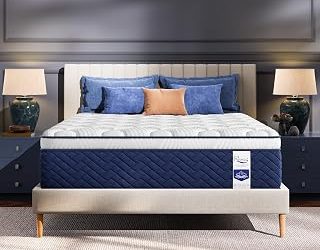
A tall, plush-but-supported build that gives a room genuine presence, layering cooling gel memory foam over pocket springs with extra edge reinforcement. Pair it with a low platform frame so the total height stays proportional to standard nightstands.
14 Inch Pocket Spring Hybrid
The sensible middle of the range: coil-driven support, strong perimeter, and a breathable surface at a height that works with almost any existing bed frame. This is my default recommendation when a client isn’t sure what they want.
Luxury Hotel 16 Inch 7-Zone Hybrid
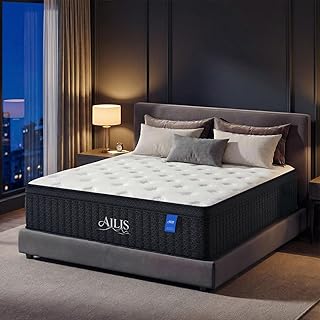
The zoned coil layout firms up under the lumbar region while staying softer at shoulders and hips, which suits side sleepers and mixed-position couples. CertiPUR-US foams and a full-year trial make it low-risk to test properly through a seasonal temperature swing.
16 Inch Upgraded Luxury Hybrid, 7-Zone
Similar zoning philosophy with a firmer overall hand and noticeably stable edges, so the mattress holds its shape against a headboard and bench. Designed in the USA with a 365-night trial, it’s the pick for heavier sleepers or anyone who sits on the edge to dress.
Frequently Asked Questions
How long should I let a boxed king mattress expand?
Give it 24 to 72 hours before judging feel or firmness. Compressed foam needs time to reach full loft, and a room that’s cool will slow the process — warmth helps it open up faster.
Is a hybrid or all-foam king better for hot sleepers?
Hybrid, in most cases. The coil layer creates an air channel underneath the comfort foams, and that convection does more for temperature than any single cooling additive.
Will these work on a slatted or platform frame?
Yes, provided slats sit no more than 3 inches apart. Wider gaps let foam sag between them and can void warranties, so add a bunkie board if your frame is open.
Does 12 inches feel meaningfully thinner than 16?
It feels firmer and more responsive rather than worse. A 12-inch cooling gel hybrid is often the smarter choice in rooms with low windows or wall-mounted reading lights you don’t want to reposition.
Final Thoughts
If you want the most versatile answer, the 14 Inch Pocket Spring Hybrid balances height, edge support, and airflow without dominating a room. Couples on opposite schedules should look hard at the EGOHOME 14 Inch Memory Foam for its motion isolation, while anyone chasing a hotel-suite presence and zoned pressure relief will get the most from the Luxury Hotel 16 Inch 7-Zone Hybrid.