Key takeaways
- Light interaction: Under dining-area pendant lighting (typically warm white), matte linen-type weaves absorb light and soften a room’s edges, while faux leather and vinyl reflect it, creating sharper contrast. Pick based on whether you want the chairs to recede into the ambience or anchor the visual plane.
- Cleanability: Dining chairs face spills, crumbs, and grease vapor daily. Faux leather wipes clean in seconds. Linen and velvet blends require spot-treatment know-how and may need fabric protector spray before first use.
- Double rub rating equivalent: Even without a formal Wyzenbeek number, tactile density tells the story. Press your thumbnail into the weave—if the fibers shift easily, the fabric will thin out within a year of dining use. Denser needlework and jacquard constructions outperform loose linen in high-traffic seats.
- Yardage math: A standard dining seat panel runs roughly 18×18 inches, but you need allowance for wrap-around and stapling underneath. Most seats require ½ yard per chair; bench seating demands 2–3 yards minimum. Buying a yard short mid-project is the most common DIY mistake.
- Ambience longevity: Trends shift, but your dining room lighting doesn’t change monthly. Neutral tones—greys, sands, muted navies—interact cleanly with evolving paint colors and seasonal table settings. Bold greens and specialty textures are striking but narrow your future palette flexibility.
What's inside
Choosing upholstery fabric for dining chairs is harder than it looks. You need a material that handles spilled wine at 8 PM dinner parties, holds up to daily pull-and-slide friction, and still looks intentional under your pendant light at 2700K. Most buyers grab the first swatch that matches their curtains—then regret it six months later when pilling shows up or the weave goes limp from sunlight.
This guide filters that chaos. We evaluated each fabric candidate through a practical lens: durability under dining-specific stress, how the textile behaves under warm and cool ambient light, colorfastness, ease of installation for a DIY reupholstery project, and honest value at its yardage. Whether you’re recovering four Parsons chairs or restoring a vintage dining set, the picks below are organized by real-world use case—not marketing budget.
As an Amazon Associate we earn from qualifying purchases.




🛒 Best Price Today on Amazon
Prime members get fast, free shipping on everything above, plus member-only deals. New members get a 30-day free trial — cancel anytime.
How to Choose Fabric For Upholstering Dining Chairs (2026)
- Light interaction: Under dining-area pendant lighting (typically warm white), matte linen-type weaves absorb light and soften a room’s edges, while faux leather and vinyl reflect it, creating sharper contrast. Pick based on whether you want the chairs to recede into the ambience or anchor the visual plane.
- Cleanability: Dining chairs face spills, crumbs, and grease vapor daily. Faux leather wipes clean in seconds. Linen and velvet blends require spot-treatment know-how and may need fabric protector spray before first use.
- Double rub rating equivalent: Even without a formal Wyzenbeek number, tactile density tells the story. Press your thumbnail into the weave—if the fibers shift easily, the fabric will thin out within a year of dining use. Denser needlework and jacquard constructions outperform loose linen in high-traffic seats.
- Yardage math: A standard dining seat panel runs roughly 18×18 inches, but you need allowance for wrap-around and stapling underneath. Most seats require ½ yard per chair; bench seating demands 2–3 yards minimum. Buying a yard short mid-project is the most common DIY mistake.
- Ambience longevity: Trends shift, but your dining room lighting doesn’t change monthly. Neutral tones—greys, sands, muted navies—interact cleanly with evolving paint colors and seasonal table settings. Bold greens and specialty textures are striking but narrow your future palette flexibility.
The Best Fabric For Upholstering Dining Chairs (2026) Reviewed
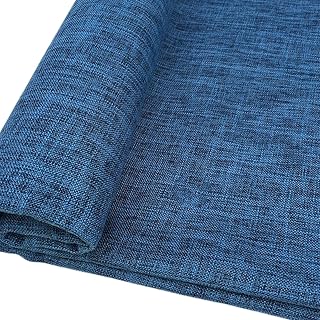
TinaKim Thick Upholstery Fabric – Faux Linen, Grey Blue
This thick-gauge faux linen handles the dining chair sweet spot: enough body to pull taut over foam without telegraphing imperfections, yet relaxed enough to avoid that stiff “office waiting room” read. Under warm pendant light, the grey-blue tone shifts slightly warmer—giving you a chameleon effect that pairs well with both walnut and white-oak dining tables. At 57×72 inches per 2-yard cut, you can comfortably cover two standard seats with fabric to spare.
Faux Leather Vinyl Upholstery Fabric – 1.3mm, Cocoa
When ambience meets real life, cocoa-toned vinyl wins. The 1.3mm composite backing gives it enough rigidity to staple cleanly without tearing, and the waterproof surface means red wine and pasta sauce are a paper-towel event, not a panic event. The vintage texture avoids the plasticky sheen that cheap vinyl carries—it reads warm and leather-adjacent under dimmed dining lighting, especially alongside cognac or saddle leather accent pieces.
TinaKim Velvet Upholstery Cloth – Light Green
Ambience designers live for velvet at the dining table. The pile catches directional light from overhead fixtures and creates a subtle luminosity that flat-woven fabrics simply cannot replicate. This light green reads organic and current without tipping into novelty. The 6-yard cut is generous—you can upholster a full set of four to six chairs and keep leftover panels for seat-pad accents or a matching bench cushion.
Damask Jacquupholstery Fabric – Sand
Jacquard-woven damask brings architectural texture to an otherwise plain dining chair silhouette. The sand tone is the definition of ambience-safe: it reflects warm light beautifully, pairs with virtually any wall color, and the raised pattern hides minor wear that a flat weave would broadcast immediately. Sold by the yard at full 57-inch width, it’s well-suited for larger seat panels and bench applications where visual scale matters.
Faux Linen Needlework Fabric – 3.3 Yards, Grey Blue
Slightly lighter in hand than the TinaKim thick faux linen, this 3.3-yard cut favors upholsterers who want more working length for a full dining set in a single purchase. The needlework weave has a more visible grid texture that photographs beautifully and adds depth under overhead lighting. It’s the practical choice when you need volume coverage without running back for a second order.
Frequently Asked Questions
Can I use outdoor-rated fabric on indoor dining chairs?
Absolutely—and it’s often a smart move. Outdoor fabrics like marine vinyl or solution-dyed acrylics are engineered for UV resistance and stain repelling, which translates directly to longer life on a dining seat that sits near a window. The tradeoff is hand-feel; some outdoor fabrics feel stiffer than interior-grade upholstery cloth.
How do I know how much fabric to buy for six dining chairs?
Measure your seat panel (length × width), add 4 inches on each side for wrap and stapling, then multiply by six. For a typical 18×18-inch seat, you need roughly ½ yard per chair—so 3 yards minimum for a set of six. Always buy an extra half yard to account for pattern alignment or cutting errors.
Do I need to apply fabric protector before upholstering?
For linen-type and velvet fabrics, yes—apply a spray-on fabric protector (like Scotchgard) to the cut panels before stretching them over your seat. This pre-treatment bonds to the fibers more effectively than post-installation spraying and gives you better stain resistance from day one. Faux leather and vinyl generally don’t need it.
What’s the best fabric choice for homes with kids?
Faux leather vinyl is the clear frontrunner. It wipes clean instantly, doesn’t absorb odors, and resists the kind of ground-in staining that woven fabrics collect over time. If you prefer a textile look, choose a tightly woven needlework or jacquard in a mid-tone color that camouflages small marks between cleanings.
Final Thoughts
For most dining rooms, our top three picks cover every realistic scenario. The TinaKim Thick Faux Linen in Grey Blue delivers the best balance of texture, durability, and ambience-friendly color. The Cocoa Faux Leather Vinyl is the bulletproof choice for families and high-use spaces. And the TinaKim Velvet in Light Green earns its spot for anyone willing to trade a little maintenance for a genuinely elevated dining atmosphere. Measure twice, buy a half yard extra, and let your lighting do the rest.