Key takeaways
- Light Interaction: Hold fabric samples near your actual dining light source. Matte woven surfaces like faux linen diffuse warm light evenly and hide minor stains, while glossy or tightly printed patterns can create distracting hot spots under pendant fixtures.
- Double-Rub Rating: Dining chairs endure constant friction. Look for upholstery-grade material rated above 15,000 double rubs. Thicker weaves — like the TinaKim faux linen — resist compression marks far better than lightweight craft fabrics.
- Cleanability Under Pressure: Dining rooms are spill zones. Water-resistant or coated options, such as the Cowboy desert-d-themed polyester, wipe clean without degrading the print. Natural-fiber blends may look richer but demand professional cleaning.
- Color Psychology and Scale: Bold patterns shrink a small dining nook; muted botanicals expand it. Consider whether your chair fabric competes with or complements your walls, curtains, and table surface under evening lighting conditions.
- Yardage Math and Waste: A standard parson-style dining chair consumes roughly 1 to 1.5 yards depending on seat depth and back height. Buying in odd increments — 3.3 yards or 5-yard rolls — can leave you short for a set of four. Plan for 1.5 yards per chair minimum, plus a testing scrap.
What's inside
Reupholstering a dining chair should feel like choosing a wall color that transforms a room — it’s not just about fabric strength, it’s about how the material catches light during dinner, how it absorbs noise in an open-plan space, and how it sets the psychological temperature of your eating area. Most buyers grab the cheapest bolt at a craft store, only to find the fabric pills after three months or fights with the room’s undertones. The stakes are higher than they look: your dining chairs occupy more visual real estate than almost any other furniture piece.
This guide breaks down five upholstery fabrics and one ready-to-go alternative, evaluated from the perspective of how each performs under the warm, directional light you actually dine by. We focus on texture behavior, color fastness under ambient lighting, and tactile response — the details that separate a chair you’re proud of from one you plan to replace again next year.
As an Amazon Associate we earn from qualifying purchases.



🛒 Best Price Today on Amazon
Prime members get fast, free shipping on everything above, plus member-only deals. New members get a 30-day free trial — cancel anytime.
How to Choose Fabric To Reupholster Dining Chairs (2026)
- Light Interaction: Hold fabric samples near your actual dining light source. Matte woven surfaces like faux linen diffuse warm light evenly and hide minor stains, while glossy or tightly printed patterns can create distracting hot spots under pendant fixtures.
- Double-Rub Rating: Dining chairs endure constant friction. Look for upholstery-grade material rated above 15,000 double rubs. Thicker weaves — like the TinaKim faux linen — resist compression marks far better than lightweight craft fabrics.
- Cleanability Under Pressure: Dining rooms are spill zones. Water-resistant or coated options, such as the Cowboy desert-d-themed polyester, wipe clean without degrading the print. Natural-fiber blends may look richer but demand professional cleaning.
- Color Psychology and Scale: Bold patterns shrink a small dining nook; muted botanicals expand it. Consider whether your chair fabric competes with or complements your walls, curtains, and table surface under evening lighting conditions.
- Yardage Math and Waste: A standard parson-style dining chair consumes roughly 1 to 1.5 yards depending on seat depth and back height. Buying in odd increments — 3.3 yards or 5-yard rolls — can leave you short for a set of four. Plan for 1.5 yards per chair minimum, plus a testing scrap.
The Best Fabric To Reupholster Dining Chairs (2026) Reviewed
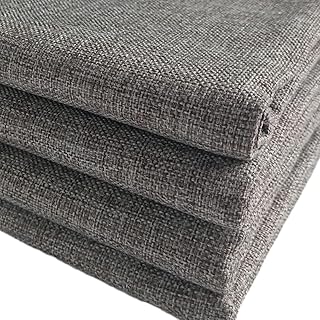
TinaKim Thick Faux Linen Upholstery Fabric
This flaxen-toned cloth delivers the kind of dry, organic texture that photographs beautifully under both daylight and warm LED pendants — think exposed filament bulbs above a farmhouse table. At two yards, it’s ideal for two parson chairs with material to spare. The weave resists pulling during stapling, which is a detail every DIY upholsterer will appreciate mid-project.
Faux Linen Needlework Fabric (Grey Blue)
The cool grey-blue reads differently depending on your wall color, which makes it a strategic pick for rooms that shift between daylight and evening warmth. The generous 3.3-yard cut handles a full set of four smaller chairs or two larger wingbacks. Its needlework texture adds dimensional interest without the busyness that overwhelms minimalist dining setups.
Erosebridal Florals Flannel Fabric
A bold botanical with black, red, and yellow tones that thrives under directional lighting — the petals and leaves gain depth rather than flattening, which cheaper prints tend to do. The flannel hand gives dining chairs a warmth that makes a room feel inhabited rather than staged. One-yard increments make it easy to test against your existing palette before committing to a full set.
Erosebridal Cowboy Desert Fabric (Brown, 10 Yards)
This waterproof polyester holds up to spills, outdoor dining, and high-traffic family kitchens without fading. The western cactus and denim-dune motif reads as surprisingly sophisticated under warm ambient light — the brown base anchors a room without dominating it. Ten yards covers an entire dining set plus a bench or two, making it the best value per square foot in this roundup.
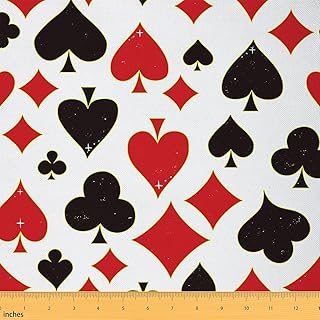
Poker Plaid Upholstery Fabric (Red Black)
The lattice-and-heart pattern brings graphic punch to game rooms or eclectic dining spaces, and the waterproof surface means post-party cleanup is a single wipe. Under overhead recessed lighting, the red-black contrast stays crisp rather than muddying together — a common failure in lower-quality printed upholstery. The 5-yard length comfortably covers four standard chairs.
Frequently Asked Questions
Can I reupholster dining chairs without removing the old fabric?
In most cases, layering new fabric over existing upholstery is possible when the original is flat, clean, and free of lumps. However, adding thickness changes seat height and can affect how the chair sits at the table. For best results — and to let light fall naturally across the new surface — strip the old material first.
How much fabric do I need for four dining chairs?
Standard parson chairs require approximately 1.5 yards each, so plan for six yards as a baseline. Add an extra yard if you’re working with a directional print — floral or themed patterns need careful alignment across multiple seats.
Is faux linen durable enough for daily dining use?
Upholstery-grade faux linen — like the TinaKim option — typically exceeds 20,000 double rubs, which translates to years of daily seating. The key distinction is between “craft-grade” linen-look fabric and true upholstery linen; always verify the double-rub rating before purchasing.
Do waterproof fabrics feel plasticky under warm lighting?
Modern coated polyesters have come a long way. The Cowboy and Poker Plaid options both maintain a textile hand-feel that doesn’t scream synthetic under pendant lights. The waterproof layer sits beneath the printed surface, so what you see and touch remains fabric-like while liquid resistance handles the mess.
Final Thoughts
For most dining rooms, the TinaKim faux linen is the safest, most versatile starting point — it behaves beautifully under warm light and works with nearly any color scheme. Families with young kids or frequent entertainers should lean toward the Erosebridal Cowboy waterproof fabric for its easy maintenance and generous yardage. If your goal is to inject personality into a bland dining space, the Erosebridal Florals flannel adds genuine warmth and visual depth that holds up in the ambient lighting where you actually live.