Key takeaways
- Temperature range and dual-zone capability: Look for a spread of at least 15°F in each direction and truly independent controls per side. A system like the HydroSnooze offers 59–131°F across two units for genuine dual-zone parity, while single-pad systems with dual controllers typically handle heating only — critical if your partner runs hot and you run cold.
- Noise output and ambient calm: From a room-design standpoint, anything above 30 dB disrupts the quiet envelope you work hard to create. Water-circulation systems use small pumps that hum, while electric resistive pads are virtually silent. Decide which trade-off your space tolerates — the gentle white noise of a pump can actually mask street sounds, but only if it stays low.
- Surface material and tactile warmth: The fabric touching your skin sets the perceived temperature before the system even kicks in. Quilted microfiber and premium quilted surfaces trap a thin air layer that feels neutral year-round, while slick nylon covers can feel clammy. Match the surface to your existing bedding palette so the pad doesn’t introduce an unwanted visual or textural interruption.
- Safety certifications and auto shut-off: ETL and FCC certification signal that the pad has passed independent electrical safety testing. Pair that with a programmable auto shut-off — 10 to 12 hours is the sweet spot — and you eliminate the anxiety of leaving a heating element running beneath your carefully curated linen layers while you’re out of the house.
- Installation depth and mattress fit: Measure your mattress depth before buying. Deep-pocket designs accommodate up to 15–17 inches, which matters if you’ve layered a mattress topper for that plush hotel feel. A pad that puckers or slides off the corners will wrinkle your fitted sheets and undermine the clean, taut look any designer works toward.
What's inside
As someone who designs entire rooms around the feeling of stepping into them, I can tell you that temperature is the silent architect of any restful space. You can nail the linen tones, the dimmer circuits, and the diffused sconces — but if your mattress pad fights your thermostat, the whole room falls apart. Dual heating and cooling mattress pads promise to solve that tug-of-war, yet most buyers end up frustrated by pads that either roast or refrigerate one side of the bed while ignoring the other.
This guide cuts through the noise. I evaluated each pad not just on raw temperature performance but on how it contributes to an intentional sleep atmosphere — noise floor, surface texture, zone independence, and whether it integrates seamlessly into a well-designed bedroom. The picks below span full climate-control systems and smart heated pads so you can match your setup to your space.
As an Amazon Associate we earn from qualifying purchases.


🛒 Best Price Today on Amazon
Prime members get fast, free shipping on everything above, plus member-only deals. New members get a 30-day free trial — cancel anytime.
How to Choose a Dual Heating and Cooling Mattress Pad (2026)
- Temperature range and dual-zone capability: Look for a spread of at least 15°F in each direction and truly independent controls per side. A system like the HydroSnooze offers 59–131°F across two units for genuine dual-zone parity, while single-pad systems with dual controllers typically handle heating only — critical if your partner runs hot and you run cold.
- Noise output and ambient calm: From a room-design standpoint, anything above 30 dB disrupts the quiet envelope you work hard to create. Water-circulation systems use small pumps that hum, while electric resistive pads are virtually silent. Decide which trade-off your space tolerates — the gentle white noise of a pump can actually mask street sounds, but only if it stays low.
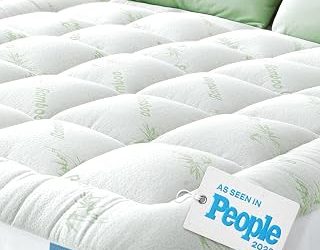
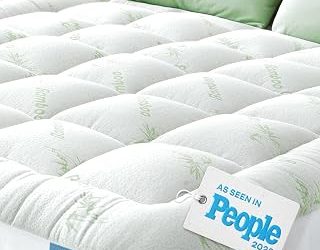
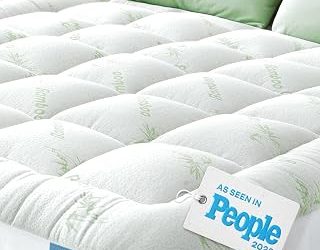
- Surface material and tactile warmth: The fabric touching your skin sets the perceived temperature before the system even kicks in. Quilted microfiber and premium quilted surfaces trap a thin air layer that feels neutral year-round, while slick nylon covers can feel clammy. Match the surface to your existing bedding palette so the pad doesn’t introduce an unwanted visual or textural interruption.
- Safety certifications and auto shut-off: ETL and FCC certification signal that the pad has passed independent electrical safety testing. Pair that with a programmable auto shut-off — 10 to 12 hours is the sweet spot — and you eliminate the anxiety of leaving a heating element running beneath your carefully curated linen layers while you’re out of the house.
- Installation depth and mattress fit: Measure your mattress depth before buying. Deep-pocket designs accommodate up to 15–17 inches, which matters if you’ve layered a mattress topper for that plush hotel feel. A pad that puckers or slides off the corners will wrinkle your fitted sheets and undermine the clean, taut look any designer works toward.
The Best Dual Heating and Cooling Mattress Pads (2026) Reviewed
HydroSnooze Water Cooling & Heating Mattress Pad
This is the most architecturally complete system in the roundup — a water-based unit that genuinely cools and heats across a 59–131°F range. You buy two units for true dual-zone control on a king bed, which means each sleeper owns an independent climate circuit. The pump’s low hum is noticeable but predictable, functioning almost like a designed sound element in the room. If total temperature mastery is your priority and you’re willing to manage two under-mattress units, nothing else here matches its range.
All Season Pro Dual-Zone Temperature Control
The All Season Pro brings AI sleep sensing into the equation without locking you into a subscription, which is a refreshing move. It detects your body temperature throughout the night and adjusts automatically, letting you set the room lighting and let the pad handle itself. The dual-zone king fit covers both sides under one unit, keeping the bed profile low and visually clean. It’s the most hands-off option for sleepers who want climate control to recede into the background.
Sunbeam Electric Premium Water Resistant Heated Mattress Pad
Sunbeam’s quilted heated pad is a reliable workhorse for cold-season bedrooms. Twelve heat settings give you granular control over how the pad radiates warmth upward, and the water-resistant surface adds a layer of practicality beneath decorative mattress protectors. It heats fast — noticeable warmth within minutes — which matters when you’re pre-warming the bed on a timer. It doesn’t cool, so it’s strictly a cold-climate pick, but within that lane it’s excellent.
Bedsure Heated Mattress Pad with Preheat & Memory
Bedsure’s pad earns its place through thoughtful extras: preheat and memory functions mean you program your ideal warmth once and the pad recalls it each night, like a smart dimmer that remembers your preferred scene. Deep pockets grip mattresses up to 15 inches without shifting, and the quilted surface feels genuinely premium against the skin. Dual controls on a queen-size pad give both sleepers independent authority — a small luxury that makes a real difference over months of use.
Serta Heated Mattress Pad with Deep Pocket & Dual Controller
Serta extends its mattress expertise into the pad category with a soft-surface queen that fits mattresses up to 17 inches deep — the deepest in this lineup. Ten heat settings and dual controllers handle two-sleeper households without conflict, and the ETL certification means the pad meets rigorous safety standards. Machine-washable construction makes maintenance painless. For anyone who has invested in a thick pillow-top mattress and needs a heating pad that won’t slide or bunch, this is the pragmatic choice.
Frequently Asked Questions
Can a heating and cooling mattress pad replace my room’s HVAC?
No — these pads are designed to fine-tune the microclimate directly beneath your body, not to regulate the entire room. Think of them as accent lighting for temperature: they add a focused layer of comfort that your central system can’t deliver with the same precision. You’ll still want your room thermostat set to a comfortable baseline.
How much electricity does a heated mattress pad consume?
Most electric heated pads draw between 60 and 200 watts at maximum settings, which translates to just a few cents per night. Water-circulation systems like the HydroSnooze consume slightly more due to the pump, but remain energy-efficient compared to running a space heater. The auto shut-off feature ensures energy doesn’t waste away overnight.
Are these pads safe to leave on all night?
ETL-certified pads with auto shut-off timers are engineered for overnight use. The pad cycles off after the programmed window, usually 10 to 12 hours, eliminating overheating risk. Never use a pad that lacks a recognized safety certification or has a damaged controller, and always follow the manufacturer’s care instructions regarding folding and washing.
Do I need special sheets for a mattress pad with built-in heating or cooling?
Standard deep-pocket fitted sheets work fine over most pads, though adding a cooling mattress pad on top of an already thick mattress may push you toward extra-deep sheets. Water-circulation systems route thin tubing beneath the pad itself, so your fitted sheet sits over a smooth surface without feeling the tubes. Keep sheet fabrics breathable — percale or bamboo blends pair well with climate-control pads.
Final Thoughts
For sleepers who want full two-way climate mastery, the HydroSnooze water system is unmatched in range and zone independence. The All Season Pro strikes the best balance of automation and ease for a king bed without ongoing costs. And for cold-weather households on a tighter budget, the Bedsure heated pad delivers smart preheat memory and reliable warmth in a well-built package. Whichever you choose, pairing the right pad with a thoughtfully designed sleep environment — low ambient light, minimal noise, natural textures — will elevate your rest more than any single upgrade alone.