Key takeaways
- Residue behavior: Leftover surfactant is the single biggest cause of that dull, slightly grey sheen you only notice in raking sunlight. Look for formulas described as low-residue or engineered for extraction, and always rinse-blot rather than letting product dry in place.
- Concentrate versus ready-to-use: A dilutable gallon is far cheaper per ounce and lets you run strong for engine bays and mats, weak for headliners. A ready-to-use trigger bottle wins on convenience for spot work in a parking garage.
- Fiber and dye safety: Automotive carpet is usually solution-dyed nylon or polypropylene, both forgiving. Seat fabric, suede inserts, and anything vintage are not. Test in a hidden panel and check the surface under a bright handheld light before committing.
- Agitation you can control: Chemistry loosens soil; mechanical action removes it. A stiff, short-bristle tool like the Viking Carpet Scrub Brush for floor mats reaches the base of the pile without polishing the fiber tips, which is what creates those permanent shiny traffic lanes.
- Scent and drying time: Citrus solvents smell clean and cut grease, but a cabin with poor airflow will hold that note for days. Plan on cracked windows, a fan, and full drying before dark upholstery goes back over damp carpet.
What's inside
Anyone who works with light for a living knows that a surface is never just one thing. A car footwell looks passable under a dome lamp at night, then you park facing a low winter sun, raking light comes through the windshield at fifteen degrees, and suddenly the driver’s mat is a topographic map of salt bloom, coffee halos, and a matted traffic path worn shiny by heels. Diffuse overhead light hides all of it. Grazing light hides nothing. That gap between the two is where most interior cleaning jobs quietly fail.
This guide approaches automotive carpet the way we approach a set or a room: as a texture that has to hold up under every lighting condition it will realistically face. Below are the sprays, extractors, and agitation tools worth keeping in the cabinet, plus what actually separates a formula that lifts soil from one that just redistributes it into a slightly larger, slightly paler ring. Furniture people will recognize the logic immediately, because upholstered seats and cut-pile mats behave like any other fibrous surface under a hard key light.
As an Amazon Associate we earn from qualifying purchases.


🛒 Best Price Today on Amazon
Prime members get fast, free shipping on everything above, plus member-only deals. New members get a 30-day free trial — cancel anytime.
How to Choose a/an Automotive Carpet Cleaner (2026)
- Residue behavior: Leftover surfactant is the single biggest cause of that dull, slightly grey sheen you only notice in raking sunlight. Look for formulas described as low-residue or engineered for extraction, and always rinse-blot rather than letting product dry in place.
- Concentrate versus ready-to-use: A dilutable gallon is far cheaper per ounce and lets you run strong for engine bays and mats, weak for headliners. A ready-to-use trigger bottle wins on convenience for spot work in a parking garage.
- Fiber and dye safety: Automotive carpet is usually solution-dyed nylon or polypropylene, both forgiving. Seat fabric, suede inserts, and anything vintage are not. Test in a hidden panel and check the surface under a bright handheld light before committing.
- Agitation you can control: Chemistry loosens soil; mechanical action removes it. A stiff, short-bristle tool like the Viking Carpet Scrub Brush for floor mats reaches the base of the pile without polishing the fiber tips, which is what creates those permanent shiny traffic lanes.
- Scent and drying time: Citrus solvents smell clean and cut grease, but a cabin with poor airflow will hold that note for days. Plan on cracked windows, a fan, and full drying before dark upholstery goes back over damp carpet.
The Best Automotive Carpet Cleaner (2026)s Reviewed
Chemical Guys Lightning Fast Carpet & Upholstery Stain Extractor
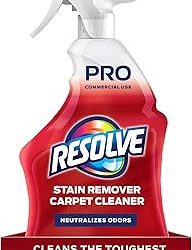
The most reliable spot treatment here for pigmented spills like coffee, cola, and red wine, because it breaks the stain’s bond rather than bleaching the contrast out of it. Spray, agitate, blot with a clean towel, and repeat in light passes instead of one heavy soak.
P & S Carpet Bomber
A citrus-based professional concentrate that earns its gallon size once you start diluting for different jobs. It handles greasy, hand-transferred grime on mats and door sills better than almost anything ready-to-use, and it is tolerant enough for wheel wells and engine bays.
Adam’s Polishes Carpet & Upholstery Cleaner
Well-balanced and forgiving, which makes it the safest choice for cloth seats and mixed interior fabrics where you cannot afford a dye shift. It rinses cleanly, so the finished nap reads even under grazing light rather than blotchy.
Chemical Guys Citrus Fabric & Carpet Cleaner
The foaming action here is genuinely useful on vertical surfaces and seat bolsters, where a thin liquid would simply run and leave a tide line. Good general-purpose bottle for maintenance cleaning between deeper extractions.
CAR GUYS Interior Car Cleaner
A sensible one-bottle kit that spans carpet, upholstery, and leather, with a microfiber towel included so you are not improvising with a shop rag. Strong on stubborn stains for something this versatile, and the easiest recommendation for someone who wants a single product in the trunk.
Frequently Asked Questions
Do I need a wet vacuum or extractor?
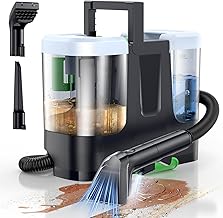
Not for spot work, but it changes the outcome on a full carpet clean. Extraction pulls suspended soil and surfactant out of the pile instead of leaving it to dry back in, which is exactly what prevents rapid resoiling.
Why did the stain come back after a few days?
Wicking. Contamination deep in the backing migrates upward as the carpet dries. Clean again, then dry faster with airflow and weighted towels rather than a single heavier application.
Can these products be used on home rugs and furniture?
Often yes, since the fiber types overlap, but home textiles include far more wool, linen, and loose weaves. Test discreetly and dilute conservatively.
Is a concentrate worth it for one car?
Only if you will use it. A gallon lasts years, but a ready-to-use bottle avoids mixing errors and stores easily.
Final Thoughts
For most owners, the pairing that solves the widest range of problems is Chemical Guys Lightning Fast for targeted stains and the P & S Carpet Bomber concentrate for everything larger and greasier, with Adam’s Carpet & Upholstery Cleaner as the gentler option when the fabric is uncertain. Add a proper short-bristle brush, work under the harshest light you can find, and the interior will hold up the next time the sun comes in sideways.