Key takeaways
- Profile height: Every inch of mattress raises your sleeping surface relative to fixed sconces. A 14-inch build with a 10-inch platform puts your pillow near 24 inches, which means wall lights need to sit around 50 to 56 inches off the floor to avoid shining into a partner’s eyes. Measure before you drill.
- Cover sheen and weave: Matte knit covers diffuse light and read warm under dimmed incandescent-spectrum bulbs. Tightly woven or coated surfaces bounce specular highlights and can create a hot spot under a directional reading lamp. Matte wins in almost every ambience scheme.
- Cooling architecture: Big beds trap more body heat simply because there’s more mass and less air movement. Gel infusions, ventilated foam, and zoned airflow matter more at this scale than in a queen.
- Firmness and edge integrity: On a nine-foot span, sag becomes visible as a shadow trough across the whole room. Firmer cores and wrapped coils hold a flatter plane, which keeps grazing light even from headboard to footboard.
- Shipping reality: True Alaskan King mattresses are typically made to order and freight-delivered. Compressed boxed models arrive faster and fit stairwells, which is why paired king units remain a popular workaround.
What's inside
Alaskan King beds do something no other size does: they turn a bedroom into a landscape. At 108 inches square, the mattress becomes the room’s dominant plane, and every lumen you throw at it has to be re-thought. I spend my working hours specifying sconces, dimmers, and color temperatures for bedrooms, and the single most common mistake I see is a client buying an enormous bed and then wondering why their old lighting scheme suddenly feels harsh, patchy, and cold. The mattress is not a neutral object. Its height, cover fabric, and sheen decide whether your 2700K bedside glow spreads softly or dies three feet from the source.
This guide approaches the Alaskan King question from that angle. Below you’ll find the mattress options worth shortlisting in 2026 — including several king-size builds that many shoppers compare against, or pair edge-to-edge on a custom platform to approximate Alaskan King coverage — plus the practical criteria I use when a bed has to work with a layered lighting plan rather than fight it.
As an Amazon Associate we earn from qualifying purchases.



🛒 Best Price Today on Amazon
Prime members get fast, free shipping on everything above, plus member-only deals. New members get a 30-day free trial — cancel anytime.
How to Choose a/an Alaskan King Mattress (2026)
- Profile height: Every inch of mattress raises your sleeping surface relative to fixed sconces. A 14-inch build with a 10-inch platform puts your pillow near 24 inches, which means wall lights need to sit around 50 to 56 inches off the floor to avoid shining into a partner’s eyes. Measure before you drill.
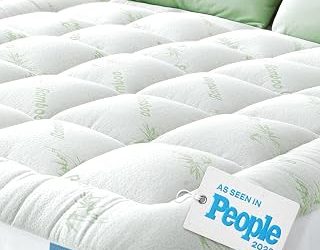
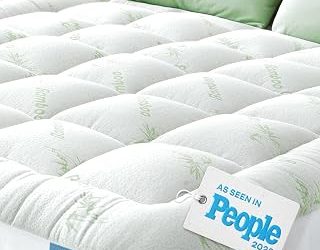
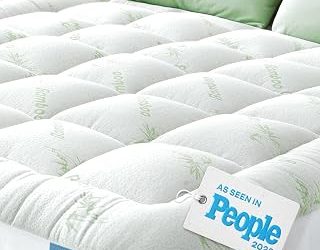
- Cover sheen and weave: Matte knit covers diffuse light and read warm under dimmed incandescent-spectrum bulbs. Tightly woven or coated surfaces bounce specular highlights and can create a hot spot under a directional reading lamp. Matte wins in almost every ambience scheme.
- Cooling architecture: Big beds trap more body heat simply because there’s more mass and less air movement. Gel infusions, ventilated foam, and zoned airflow matter more at this scale than in a queen.
- Firmness and edge integrity: On a nine-foot span, sag becomes visible as a shadow trough across the whole room. Firmer cores and wrapped coils hold a flatter plane, which keeps grazing light even from headboard to footboard.
- Shipping reality: True Alaskan King mattresses are typically made to order and freight-delivered. Compressed boxed models arrive faster and fit stairwells, which is why paired king units remain a popular workaround.
The Best Alaskan King Mattress (2026)s Reviewed
Sweetnight CoolNest 14″ King
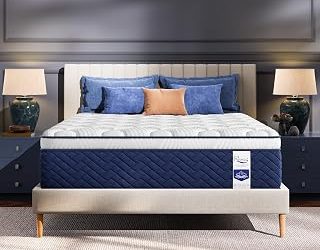
The five-zone support layout keeps the surface visually level, so raking light from a low bedside lamp doesn’t reveal dips at the hip and shoulder. Its breathable build handles the heat retention problem that oversized beds always create, and the medium feel suits couples with different sleep positions.
SLEEP100 14″ Extra Firm King
My pick when the bed sits under directional or track lighting, because the extra-firm gel-infused core resists the shallow depressions that a hard-edged beam will exaggerate. Spine alignment is the headline benefit, and back-pain sleepers tend to notice it within a fortnight.
OlarHike 18″ King Air Mattress
An 850-pound capacity and coil-beam interior make this the most credible guest-room stopgap here, and the flocked top is genuinely matte, so it photographs and looks far better than glossy PVC under warm light. The 18-inch height also puts it closer to a real bed’s relationship with your sconces.
14″ Gel Hybrid King with Pocket Springs
Individually wrapped coils give this hybrid the flattest plane of the group, which is exactly what you want when a wide bed catches light from two directions. Motion isolation is strong, and the medium-firm tuning splits the difference nicely for mixed-preference couples.
EGOHOME 12″ Green Tea Memory Foam King
At 12 inches it’s the lowest profile option, which is a quiet advantage in rooms with existing sconces you’d rather not relocate. Fiberglass-free construction and green tea gel cooling round out a sensible, no-drama medium-firm foam bed.
Frequently Asked Questions
How big is an Alaskan King, exactly?
108 by 108 inches — nine feet square. It’s the largest standard bed size sold, roughly 32 inches wider and 28 inches longer than a standard king.
Are the mattresses above true Alaskan King size?
No. These are king-size models, listed because they’re the units most shoppers compare against or combine on a custom frame. Genuine Alaskan King mattresses are specialty, made-to-order items.
What lighting works best over a bed this wide?
Two dimmable wall sconces at roughly 52 inches, plus a low-output floor wash or under-bed strip at 2200K to 2700K. Avoid a single central downlight; it flattens the surface and puts the sleeper’s face in shadow.
Do I need a special frame?
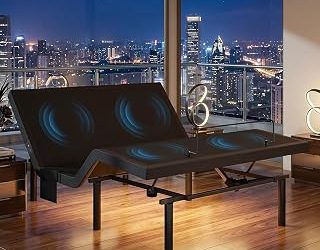
Yes. Alaskan King requires a purpose-built platform with center support. Paired king mattresses need a continuous deck and a bridging pad to hide the seam.
Final Thoughts
For most rooms I’d start with the Sweetnight CoolNest for its balance of cooling and even support, step up to the SLEEP100 extra-firm if you need the flattest possible plane under strong directional light, and keep the OlarHike airbed on hand as a legitimately comfortable guest solution. Get the mattress height settled first, then set your sconces to match — doing it in that order saves a lot of patched drywall.