Key takeaways
- True HEPA plus carbon, not one or the other: HEPA media traps the allergen-carrying dander; activated carbon handles litter box ammonia and the musky note cats leave in soft furnishings. Skip anything marketed on ionization alone.
- Coverage rated in air changes, not square feet: A unit “for 1,000 sq ft” may only clear that space once an hour. For allergy relief you want four or five exchanges hourly, which in practice means buying a purifier rated for roughly twice your room’s size.
- A washable pre-filter: Cat hair blinds a HEPA cartridge fast. A rinseable mesh screen catches the visible fluff and can double the life of the expensive filter underneath.
- Night behavior — sound and light: Check the low-speed decibel figure, then check whether the display fully extinguishes. A bright blue air-quality ring will wreck an otherwise carefully lit bedroom and interfere with melatonin timing.
- Placement and physical footprint: Allergen concentrates where the cat sleeps and where air stalls. The unit needs breathing room on all sides, which rules out cramming it behind a sofa or under a console table where it becomes a dust trap and a tripping hazard for cords.
What's inside
Cat allergen isn’t really about fur. It’s Fel d 1, a protein so small and so light that it rides air currents for hours, settling on lampshades, drifting through the warm updraft above a floor lamp, catching the light in a slanted afternoon beam. Anyone who has designed a room around mood lighting knows the moment: you dim the overheads, switch on a low warm lamp, and suddenly the air is visibly full of particulate. That shimmer is the same load your sinuses have been processing all day. Buyers with cat allergies usually try harder cleaning and more frequent vacuuming first, then discover the problem lives in the air column, not the carpet.
This guide approaches purifiers the way I approach a lighting plan: as a piece of equipment that lives in the room permanently, gets looked at every day, and contributes its own noise floor and glow to the space. Below are six units that genuinely reduce cat allergen, with notes on filtration depth, coverage, how loud they run at night, and — because it matters more than most reviews admit — how their indicator lights and displays behave once you’ve dimmed everything else down for the evening.
As an Amazon Associate we earn from qualifying purchases.


🛒 Best Price Today on Amazon
Prime members get fast, free shipping on everything above, plus member-only deals. New members get a 30-day free trial — cancel anytime.
How to Choose an Air Purifier For Cat Allergy (2026)
- True HEPA plus carbon, not one or the other: HEPA media traps the allergen-carrying dander; activated carbon handles litter box ammonia and the musky note cats leave in soft furnishings. Skip anything marketed on ionization alone.
- Coverage rated in air changes, not square feet: A unit “for 1,000 sq ft” may only clear that space once an hour. For allergy relief you want four or five exchanges hourly, which in practice means buying a purifier rated for roughly twice your room’s size.
- A washable pre-filter: Cat hair blinds a HEPA cartridge fast. A rinseable mesh screen catches the visible fluff and can double the life of the expensive filter underneath.
- Night behavior — sound and light: Check the low-speed decibel figure, then check whether the display fully extinguishes. A bright blue air-quality ring will wreck an otherwise carefully lit bedroom and interfere with melatonin timing.
- Placement and physical footprint: Allergen concentrates where the cat sleeps and where air stalls. The unit needs breathing room on all sides, which rules out cramming it behind a sofa or under a console table where it becomes a dust trap and a tripping hazard for cords.
The Best Air Purifier For Cat Allergy (2026)s Reviewed
LEVOIT Vital 100S-P
The pet-specific pre-filter here is the real feature — it’s a coarse washable screen designed for hair rather than dust, and it keeps the HEPA layer working far longer in a multi-cat home. Sleep mode drops it to a genuine hush and dims the panel, which is why this is my standing recommendation for bedrooms and dorm rooms where the purifier sits within arm’s reach of the bed.
Pet Air Purifier P339
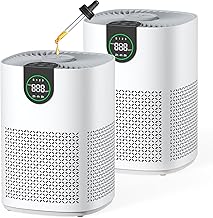
Seven filtration stages and a 4,200 sq ft rating make this the option for open-plan living where allergen migrates freely between kitchen, lounge, and stairwell. App control means you can schedule high-speed runs while you’re out and leave it whisper-quiet during the evening, and the zero-ozone certification is worth noting if you’ve been burned by ionizing purifiers before.
WINIX 5530
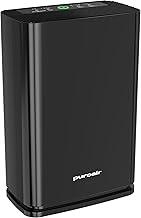
An updated take on the well-regarded 5500-2, with a heavy carbon deodorization filter that outperforms most competitors on litter odor specifically. Auto mode reacts quickly to a cat bounding through the room and kicking dander into the air, then settles back down without you touching it.
JF280
Twenty decibels at its lowest setting puts this among the quietest units you can buy at this coverage level, and the AHAM verification means the 1,015 sq ft figure is independently substantiated rather than marketing arithmetic. A sensible pick for a study or nursery where the ambient noise floor is already low and any hum becomes obvious.
Blueair Mini Max
Blueair’s HEPASilent approach combines mechanical and electrostatic filtration, which lets it move meaningful air volume at low fan speeds — quiet without sacrificing throughput. At 510 sq ft it’s a single-room device, and the compact form factor reads more like a small speaker than an appliance, which matters if you’ve spent time getting a room to look considered.
Frequently Asked Questions
Will an air purifier cure my cat allergy?
No. It reduces airborne allergen load, which for most people means noticeably fewer symptoms and better sleep. Combine it with washable bedding, a HEPA vacuum, and one cat-free room for the best result.
Where should I put it?
In the room where you spend the most time, ideally the bedroom, positioned a foot or so from walls with clear space above the outlet. Avoid tucking it behind furniture where recirculated air short-circuits back into the intake.
How often do filters need replacing?
Every six to twelve months for HEPA, though a cat household leans toward the shorter end. Rinse the pre-filter monthly and let it dry fully before reinstalling.
Should I run it constantly?
Yes. Fel d 1 is continuously produced and re-suspended by movement, so intermittent operation lets levels rebuild. Modern units on auto or sleep mode draw very little power.
Final Thoughts
For most bedrooms, the LEVOIT Vital 100S-P offers the best balance of pet-focused filtration, quiet running, and a display that disappears when you dim the lights. Larger or open-plan homes are better served by the COWAY Airmega 300, which pairs serious coverage with a washable pre-filter and a five-year warranty, while the WINIX 5530 remains the strongest choice if litter odor is your primary complaint.