Key takeaways
- Material matters most: Look for natural rubber or felt-and-rubber combinations. Pure PVC and polyurethane pads can react with hardwood finishes, leaving behind residue or causing yellowing over time. Felt adds cushion without the chemical risk.
- Thickness affects ambience: A ¼-inch pad provides noticeable underfoot softness and a slight lift that catches light differently around rug edges—ideal for living rooms and bedrooms. Thinner gripper mats work better under low-profile rugs in hallways where door clearance is tight.
- Coverage and sizing: The pad should sit about one inch smaller than the rug on all sides so it stays invisible. Measure your space first; an undersized pad defeats the purpose, while an oversized one bunches and creates trip hazards.
- Breathability protects the floor: Hardwood needs to expand and contract with humidity. A pad that allows air circulation—like open-weave felt or perforated rubber—prevents the moisture buildup that warps planks and dulls finishes.
- Non-toxic certification: Check for pads labeled free of phthalates and volatile organic compounds. This matters more in bedrooms and nurseries where off-gassing concentrates, but it is wise everywhere you walk barefoot.
What's inside
Every hardwood floor owner knows the scene: you lay down a beautiful area rug, step back to admire the room, and by Tuesday it’s migrated six inches toward the bookshelf. Worse, the slow crawl is grinding a haze into the polyurethane finish underneath. A rug pad solves both problems at once—anchoring the textile in place while creating a breathable buffer between rug backing and wood—but not every pad is kind to hardwood. Cheap PVC options can trap moisture, off-gas that stubborn chemical smell, or discolor the floor after a single season.
This guide cuts through the noise. I evaluated six leading rug pads on grip strength, material safety for sealed hardwood, cushion feel underfoot, and how they affect the lighting and warmth of a room (yes, the wrong pad can deaden a space). Below you’ll find a curated shortlist of five, each suited to a different priority—from premium felt-and-rubber constructions to budget-friendly grippers that still respect your floors.
As an Amazon Associate we earn from qualifying purchases.



How to Choose a Rug Pad For Hardwood Floors (2026)
- Material matters most: Look for natural rubber or felt-and-rubber combinations. Pure PVC and polyurethane pads can react with hardwood finishes, leaving behind residue or causing yellowing over time. Felt adds cushion without the chemical risk.
- Thickness affects ambience: A ¼-inch pad provides noticeable underfoot softness and a slight lift that catches light differently around rug edges—ideal for living rooms and bedrooms. Thinner gripper mats work better under low-profile rugs in hallways where door clearance is tight.
- Coverage and sizing: The pad should sit about one inch smaller than the rug on all sides so it stays invisible. Measure your space first; an undersized pad defeats the purpose, while an oversized one bunches and creates trip hazards.
- Breathability protects the floor: Hardwood needs to expand and contract with humidity. A pad that allows air circulation—like open-weave felt or perforated rubber—prevents the moisture buildup that warps planks and dulls finishes.
- Non-toxic certification: Check for pads labeled free of phthalates and volatile organic compounds. This matters more in bedrooms and nurseries where off-gassing concentrates, but it is wise everywhere you walk barefoot.
The Best Rug Pad For Hardwood Floors (2026) Reviews
Mohawk Home Non Slip Rug Pad
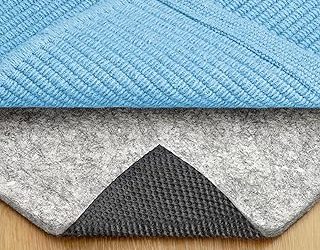
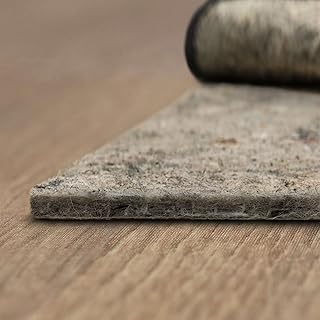
At ¼ inch thick with a felt-and-latex-rubber construction, the Mohawk pad strikes the best balance of plush comfort and confident grip. Made in the USA with materials that hardwood specialists consistently recommend, it sits flat from day one, breathes well under foot traffic, and adds a subtle warmth to the room’s acoustics. If you want one pad that handles the living room and the bedroom equally well, this is it.
RUGPADUSA Dual Surface
RUGPADUSA builds its pads from dense felt bonded to a natural rubber base, and the dual-surface design means it grips both the floor and the rug regardless of texture. The ¼-inch profile cushions enough to make a noticeable difference underfoot without making the rug feel floating or unstable. It is the option I reach for when protecting a client’s newly refinished white oak.
Veken Cushioned Rug Pad Gripper with Anti-Slip Strips
Veken combines a felt-and-silicone backing with over 99 adhesive anti-slip strips—a detail that sounds gimmicky until you realize how effectively they lock the pad to both surfaces on extra-slick polyurethane finishes. The ¼-inch thickness adds genuine comfort, and the strips make repositioning during cleaning far less frustrating. It is a clever design for households with kids or pets.
Jorvila Non-Slip Rug Pad Gripper
The Jorvila pad delivers reliable anti-skid performance at a lower price point, making it a strong pick for larger rooms where cost per square foot adds up quickly. The cushioned construction protects hardwood from indentations caused by heavy furniture sitting on rug corners, and it lays flat without curling at the edges. For renters or anyone decorating on a budget, it covers a lot of ground—literally.
GORILLA GRIP Strong Rug Pad Gripper
Available in smaller cuts like the 2-by-3-foot size, Gorilla Grip’s mat is ideal for runners, entryways, and beneath small accent rugs where a full 8-by-10 pad is overkill. The grippy texture holds hard on tile and hardwood alike, and the thin profile keeps doors from catching. It is not a luxury-feel pad, but it solves a specific problem with zero fuss.
Frequently Asked Questions
Will a rug pad damage my hardwood floors?
A quality pad made from natural rubber or felt will not harm sealed hardwood. Avoid cheap PVC pads and anything with adhesive that leaves residue. Natural materials breathe with the floor and clean away without staining.
What thickness should I choose?
Quarter-inch is the sweet spot for most rooms—it adds cushion, absorbs sound, and prevents rug migration without raising the rug so high that it looks disconnected from the floor. Go thinner for doorways and thicker only under very large, heavy rugs.
How often should I replace my rug pad?
A well-made felt-and-rubber pad lasts five to ten years under normal household use. Replace it sooner if you notice the cushion compressing, the grip weakening, or any odor developing—those are signs the material is breaking down.
Final Thoughts
For most hardwood floors, the Mohawk Home pad earns the top spot: dependable grip, premium materials, and a cushion that changes how a room feels underfoot. The RUGPADUSA Dual Surface is the close runner-up, especially for delicate or recently refinished floors that demand a purely natural-rubber solution. Budget shoppers should look at the Jorvila, which covers large areas without sacrificing the basics. Whichever you choose, the right pad protects your investment, sharpens the room’s comfort, and makes every rug you own perform better.