Key takeaways
- Material Compatibility: Vinyl plank is softer and more heat-sensitive than hardwood. Avoid pads with natural rubber latex or aggressive adhesives that can off-gas, discolor, or bond permanently to LVP surfaces. Closed-cell EVA, silicone, and low-VOC synthetic rubber are safer choices.
- Thickness and Profile: A pad between 1/8″ and 1/4″ thick strikes the right balance — enough cushion to dampen footfall and reduce surface scratching, but thin enough to keep door clearances intact and prevent the rug from creating a visible “mound” that catches ambient light unevenly.
- Non-Slip Mechanism: Look for felt-and-rubber or felt-and-silicone constructions where the rubber side faces the floor. Grip should come from friction, not tackiness. Pads that rely on a sticky coating risk residue buildup and can distort the micro-texture of plank embossing over time.
- Moisture and Ventilation: Vinyl plank is waterproof, but pooled moisture between pad and floor can warp the locking joints. Choose pads with a breathable or perforated structure that allows air circulation, especially in kitchens or entryways where spills are frequent.
- Room Scale and Rug Dimensions: Oversized pads that extend beyond the rug edge collect dust and create visible ridges. Match the pad to your rug size precisely, and for large area rugs in open-plan living spaces, prioritize felt-based pads that distribute weight evenly across the plank seams.
What's inside
Nothing ruins the glow of a freshly installed vinyl plank floor faster than a rug that creeps, bunches, or — worst of all — leaves behind a chemical ghost print where the pad reacted with the finish. As someone who specifies flooring palettes for residential projects, I see this failure pattern constantly: designers pour budget into wide-plank LVP with just the right undertone, then undermine the whole scheme with the wrong underlay. The culprit is almost always a pad that either grips too aggressively, traps moisture, or lacks the dimensional stability to stay put under foot traffic.
This guide breaks down what actually matters when pairing a rug pad with vinyl plank flooring — compatibility chemistry, slip resistance without adhesion damage, and cushion thickness that protects the surface without creating a tripping transition. The picks below span purpose-built LVP solutions, versatile felt-and-rubber hybrids, and budget-friendly options that still respect your floor’s integrity.
As an Amazon Associate we earn from qualifying purchases.


How to Choose a Rug Pad for Vinyl Plank Floors (2026)
- Material Compatibility: Vinyl plank is softer and more heat-sensitive than hardwood. Avoid pads with natural rubber latex or aggressive adhesives that can off-gas, discolor, or bond permanently to LVP surfaces. Closed-cell EVA, silicone, and low-VOC synthetic rubber are safer choices.
- Thickness and Profile: A pad between 1/8″ and 1/4″ thick strikes the right balance — enough cushion to dampen footfall and reduce surface scratching, but thin enough to keep door clearances intact and prevent the rug from creating a visible “mound” that catches ambient light unevenly.
- Non-Slip Mechanism: Look for felt-and-rubber or felt-and-silicone constructions where the rubber side faces the floor. Grip should come from friction, not tackiness. Pads that rely on a sticky coating risk residue buildup and can distort the micro-texture of plank embossing over time.
- Moisture and Ventilation: Vinyl plank is waterproof, but pooled moisture between pad and floor can warp the locking joints. Choose pads with a breathable or perforated structure that allows air circulation, especially in kitchens or entryways where spills are frequent.
- Room Scale and Rug Dimensions: Oversized pads that extend beyond the rug edge collect dust and create visible ridges. Match the pad to your rug size precisely, and for large area rugs in open-plan living spaces, prioritize felt-based pads that distribute weight evenly across the plank seams.
The Best Rug Pads for Vinyl Plank Floors (2026), Reviewed
RUGPADUSA Vinyl Lock (2’x3′)
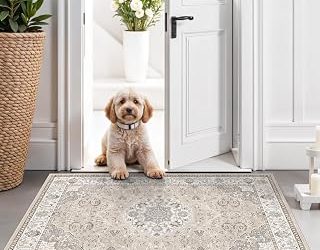
This is the only pad on the list engineered exclusively for LVP. The felt-and-EVA construction grips vinyl plank surfaces without any adhesive contact, making it the safest pick for freshly installed or light-toned floors where residue visibility is a dealbreaker. Its compact dimensions suit entryways, bathroom runners, and bedside rugs where targeted slip prevention matters most.
RUGPADUSA Basics (1/2″ Felt)
At half an inch of 100% pressed felt, this pad delivers serious cushioning underfoot — the kind of soft, sound-absorbing layer that transforms how a room feels during barefoot morning routines. It contains no rubber or latex, so there is zero chemical interaction risk with vinyl plank finishes. The tradeoff is minimal slip resistance on its own; it works best under heavier rugs with significant surface contact.
RUGPADUSA Dual Surface (1/4″ Felt + Rubber)
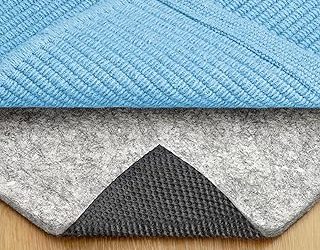
The workhorse pick. The felt side cushions while the rubber side anchors, and the 1/4″ profile keeps everything low and stable. I specify this one frequently for open living areas because it resists bunching under furniture legs and doesn’t compress unevenly over months of use. Safe across all hard flooring types, including every LVP variant I have tested it against.
Felt Rubber Dual Surface Pad (1/8″ Thin)
Budget-friendly without being disposable. At just 1/8″ thick, this pad stays nearly invisible under thin-weave rugs — a detail that matters when your flooring’s wood-grain visual is part of the design story. Waterproof construction handles kitchen and mudroom placement, and the thin profile preserves natural light reflection off the plank surface rather than creating a shadow line at the rug edge.
Veken Non-Slip Cushioned Rug Pad (Felt + Silicone)
The silicone backing sets this apart from rubber alternatives: it grips reliably without the chemical reactivity concerns that plague cheaper synthetic rubbers on vinyl. The 1/4″ thickness provides comfortable cushioning, and the included anti-slip strips offer extra insurance under rugs that sit on high-traffic plank corridors where lateral sliding is a constant issue.
Frequently Asked Questions
Can I use a regular rug pad on vinyl plank flooring?
Many conventional rug pads contain natural rubber latex or adhesive compounds that can react with LVP’s wear layer, causing discoloration, sticky residue, or surface warping. Always verify that the pad is labeled safe for vinyl or luxury vinyl plank before placing it on your floor.
What thickness of rug pad works best under vinyl plank?
Between 1/8″ and 1/4″ is ideal for most residential LVP installations. Thinner pads preserve the floor’s visual profile and door clearances, while pads at 1/4″ add noticeable cushion without creating an unstable surface under furniture.
Will a rug pad trap moisture and damage vinyl plank locking joints?
Pads with breathable felt or perforated rubber construction allow airflow and reduce trapped moisture. Avoid solid, non-porous pads in wet areas like kitchens or entryways, where spilled water can seep under the rug and pool against the plank seams.
How do I prevent my rug pad from leaving marks on vinyl plank?
Choose pads specifically designed for vinyl compatibility, like those using EVA or silicone rather than adhesive-backed rubber. Periodically lift the rug and inspect the floor surface, and ensure the pad is sized to sit fully beneath the rug so no exposed pad edges press directly against the plank finish.
Final Thoughts
For most vinyl plank installations, the RUGPADUSA Dual Surface hits the best intersection of grip, cushioning, and floor-safe construction. If your priority is pure chemical safety on a premium LVP finish, the purpose-built RUGPADUSA Vinyl Lock is the cleanest choice. And for buyers watching their budget who still want waterproof reliability, the 1/8″ Felt Rubber Dual Surface pad delivers honest performance at a fraction of the cost.