Key takeaways
- Lumbar Architecture: Look for adjustable or built-in lumbar support that targets the natural curve of your lower spine. Fixed padding compresses over time; an adjustable mechanism lets you dial in the pressure point as your posture shifts throughout the day.
- Seat Depth and Width: A seat that’s too shallow forces your legs forward and your back away from the lumbar rest. Aim for a depth that leaves two to three fingers of space between the seat edge and the back of your knees, with enough width to move without feeling wedged.
- Material and Breathability: Mesh backs promote airflow during extended sitting, while PU leather adds visual warmth and a more executive feel — critical if your office relies on ambient or warm-toned lighting where surface textures carry weight. Choose based on both comfort and the atmosphere you’re building.
- Weight Capacity and Frame Integrity: A heavy-duty steel base isn’t just about supporting body weight — it prevents micro-wobbles and tilt drift that quietly fatigue your core over hours. Chairs rated at 400 to 500 lbs typically use reinforced mechanisms that outlast lighter frames by years.
- Adjustable Arms and Footrest: Flip-up or 5D adjustable arms let you reposition for different tasks without shoulder strain. A built-in footrest is a genuine upgrade for reclined breaks, helping redirect blood flow and reduce leg swelling during long stretches at the desk.
What's inside
If your workday stretches past the eight-hour mark — and for most of us, it does — the chair you sit in quietly shapes everything from your posture to your mood. A poorly chosen seat doesn’t just cause back pain; it drains the energy out of a room. As someone who designs workspaces for a living, I’ve learned that the chair is the anchor piece: it determines how long you can stay focused, how the rest of the room feels when you’re in it, and whether your setup looks intentional or thrown together.
This guide focuses on executive office chairs built for marathon sessions — models that balance structural support with the kind of refined presence that belongs in a well-lit, well-designed workspace. We evaluated six top contenders on ergonomics, material quality, weight capacity, and overall comfort for long-haul sitting. Below you’ll find our curated picks plus practical advice on choosing the right one for your needs.
As an Amazon Associate we earn from qualifying purchases.




How to Choose an Executive Office Chair For Long Hours (2026)
- Lumbar Architecture: Look for adjustable or built-in lumbar support that targets the natural curve of your lower spine. Fixed padding compresses over time; an adjustable mechanism lets you dial in the pressure point as your posture shifts throughout the day.
- Seat Depth and Width: A seat that’s too shallow forces your legs forward and your back away from the lumbar rest. Aim for a depth that leaves two to three fingers of space between the seat edge and the back of your knees, with enough width to move without feeling wedged.
- Material and Breathability: Mesh backs promote airflow during extended sitting, while PU leather adds visual warmth and a more executive feel — critical if your office relies on ambient or warm-toned lighting where surface textures carry weight. Choose based on both comfort and the atmosphere you’re building.
- Weight Capacity and Frame Integrity: A heavy-duty steel base isn’t just about supporting body weight — it prevents micro-wobbles and tilt drift that quietly fatigue your core over hours. Chairs rated at 400 to 500 lbs typically use reinforced mechanisms that outlast lighter frames by years.
- Adjustable Arms and Footrest: Flip-up or 5D adjustable arms let you reposition for different tasks without shoulder strain. A built-in footrest is a genuine upgrade for reclined breaks, helping redirect blood flow and reduce leg swelling during long stretches at the desk.
The Best Executive Office Chair For Long Hours (2026) Reviewed
High Back Ergonomic Executive Desk Chair
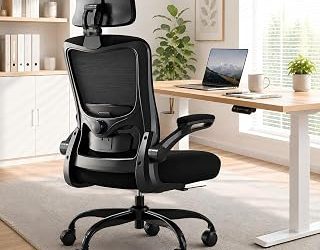
The flip-arm design and built-in lumbar adjustment make this a surprisingly capable chair at its price point. Thick padding across the seat and back gives a plush feel that pairs well with warm, ambient office setups — it reads as inviting rather than clinical. Quiet wheels complete the package for noise-sensitive environments.
X100 Ergonomic Mesh Chair with Footrest
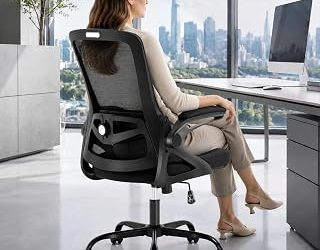
This is the pick for anyone who runs warm or works under direct task lighting that adds heat to the equation. The full mesh back keeps air moving, while the 5D flip-up arms and 3D lumbar support offer real customization. The integrated footrest elevates it beyond most competitors in this class.
Big and Tall Executive Chair with Extra Wide Seat
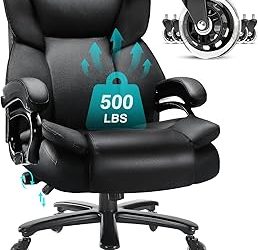
Designed for larger frames, this chair delivers where it counts: a generous seat pan and quiet rolling wheels that won’t disrupt a calm workspace. The adjustable lumbar and heavy-duty base give it the bones to last years, and its understated silhouette won’t fight with your room’s design language.
EXCEBET Big and Tall Executive with Footrest
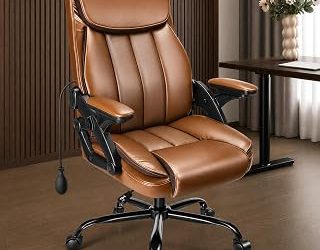
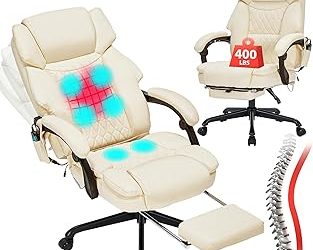
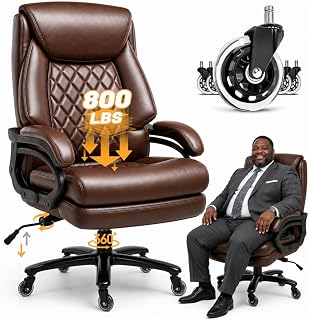
Brown PU leather brings a warmth that works beautifully in offices with wood tones or amber-spectrum lighting. The 400 lb capacity, padded armrests, and thick cushion prioritize comfort without sacrificing the executive look. A solid choice for those who want function and aesthetic harmony in one piece.
500lbs Big and Tall Chair with Pocket Spring Cushion
The pocket spring cushion system sets this apart — individual coils respond to pressure distribution the way a quality mattress does, reducing hotspots during truly long sessions. Quiet rubber wheels and an adjustable lumbar round out a chair built for serious daily use with zero compromise on durability.
Frequently Asked Questions
What weight capacity should I look for in an executive chair?
If you weigh under 250 lbs, a standard-rated chair will serve you well. For users between 250 and 500 lbs, look for explicitly rated heavy-duty models with reinforced bases and upgraded gas cylinders — these are engineered for sustained load, not just a peak rating.
Mesh or leather for long hours of sitting?
Mesh wins on breathability and temperature regulation, especially in rooms with overhead or LED lighting that radiates warmth. Leather (or PU leather) offers a richer visual texture and pairs better with warm-toned, ambient office designs. Both are viable — it depends on whether you prioritize airflow or atmosphere.
How often should I replace my office chair?
A quality executive chair with proper daily use should last five to eight years before cushion compression and mechanism wear noticeably affect comfort. Signs it’s time include a seat that no longer rebounds, lumbar drift, or wheels that resist smooth movement.
Do footrests actually help during long work sessions?
Absolutely. A built-in footrest lets you recline periodically, taking pressure off the lumbar spine and encouraging blood flow through the legs. Even short breaks in a reclined position reduce fatigue and help maintain focus across a full workday.
Final Thoughts
For most long-hours users, the X100 Ergonomic Mesh Chair hits the best balance of breathability, adjustability, and value. The 500lbs Big and Tall with Pocket Spring Cushion stands out for its superior seat comfort and heavy-duty build, while the EXCEBET Big and Tall brings an aesthetic warmth that makes it the most design-friendly option on this list. Any of these three will serve you well through marathon workdays without sacrificing how your space looks and feels.