Key takeaways
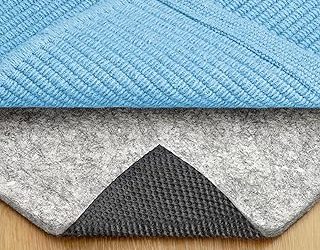
- Backing material: Look for felt, jute, or a woven non-slip layer. Solid latex and rubber-coated backings can trap moisture and haze polyurethane finishes over time, especially in sunlit spots where the floor heats up.
- Pile height as diffusion: Low pile under about half an inch reads clean when raking window light crosses it. Taller pile casts its own micro-shadows, which looks rich under lamplight but shows every footprint in daylight.
- Fiber sheen: Matte fibers and faux wool absorb and scatter light, calming glare. High-luster polyester bounces it back, which can add a warm shimmer near a lamp but also creates visible sheen bands in open rooms.
- Undertone versus wood species: Red oak and pine push amber, so cool greys can read muddy against them. Walnut and dark stains handle beige and cream beautifully. Neutral greige is the safest bridge if your lighting sits around 2700K.
- Washability and weight: A rug you can fold and machine wash stays true in color longer, since laundering lifts the dust film that dulls light-facing fibers. Confirm your machine capacity before committing to an 8×10.
What's inside
Hardwood is the most reflective surface in most homes, and that’s exactly what makes it tricky. A sealed oak or walnut floor behaves like a low-gloss mirror: it throws window light back toward the ceiling, doubles the glare from a south-facing afternoon, and turns every pendant and floor lamp into a hot spot you can see from across the room. Buyers usually shop for a rug to soften sound or protect a finish, then wonder why the room still feels harsh at 4 p.m. and cavernous at 9 p.m. The rug is the fix, but only if you choose it for how it handles light, not just how it looks in a listing photo.
This guide approaches area rugs the way I’d approach a lighting plan: pile height as a diffusion choice, fiber sheen as a reflectance value, undertone as color temperature. Below you’ll find six washable and easy-care options sized for the 8×10 footprint that suits most living and dining rooms, along with what to look for in backing, grip, and tone against different wood species.
As an Amazon Associate we earn from qualifying purchases.



How to Choose an Area Rug For Hardwood Floors (2026)
- Backing material: Look for felt, jute, or a woven non-slip layer. Solid latex and rubber-coated backings can trap moisture and haze polyurethane finishes over time, especially in sunlit spots where the floor heats up.
- Pile height as diffusion: Low pile under about half an inch reads clean when raking window light crosses it. Taller pile casts its own micro-shadows, which looks rich under lamplight but shows every footprint in daylight.
- Fiber sheen: Matte fibers and faux wool absorb and scatter light, calming glare. High-luster polyester bounces it back, which can add a warm shimmer near a lamp but also creates visible sheen bands in open rooms.
- Undertone versus wood species: Red oak and pine push amber, so cool greys can read muddy against them. Walnut and dark stains handle beige and cream beautifully. Neutral greige is the safest bridge if your lighting sits around 2700K.
- Washability and weight: A rug you can fold and machine wash stays true in color longer, since laundering lifts the dust film that dulls light-facing fibers. Confirm your machine capacity before committing to an 8×10.
The Best Area Rugs For Hardwood Floors (2026) Reviewed
UERMEI 8×10 Washable Abstract Rug, Brown Grey
The brown-grey abstract pattern does something genuinely useful: it breaks up specular reflections without introducing a competing color temperature, so warm bulbs and cool daylight both land well on it. Thin, low-profile, and washable, it’s my default recommendation for rooms with large windows and a mix of oak tones.
Large Washable Non-Slip Beige 8×10
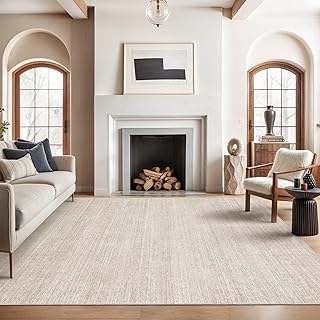
A quiet, foldable beige field that acts almost like a diffusion panel underfoot, softening the bounce from a glossy finish without darkening the room. The thin low-pile build also means it clears door swings and dining chair legs cleanly, which matters when a chandelier is casting shadows across the seating zone.
Soalmost Washable Vintage 8×10
Vintage medallion patterning in soft beige is the most forgiving choice for rooms lit primarily by lamps, since the faded print hides the pooling and falloff that make solid rugs look patchy after dark. Stain resistant and lightweight enough to fold for washing, with enough visual texture to hold its own under a dim ceiling fixture.
SUPERIOR Rockwood Geometric 8×10, Chocolate
The jute backing is the headline here: breathable, gentle on sealed floors, and stable enough for entryways and high-traffic paths. The chocolate geometric absorbs more light than the beiges above, so pair it with layered lamps rather than relying on a single overhead source.
Faux Wool Washable Vintage 8×10
Faux wool has the lowest sheen of anything in this lineup, which makes it the best performer in rooms that fight glare from west-facing glass. It’s kid and pet friendly, machine washable, and non-shedding, with a vintage low-pile face that keeps its depth under warm dimmed light.
Frequently Asked Questions
Can an area rug damage hardwood floors?
The rug itself rarely causes harm; the backing does. Non-breathable rubber can react with floor finishes and leave discoloration, and grit trapped underneath acts like sandpaper. Choose felt or jute backing, and lift and sweep beneath the rug a few times a year.
Do I still need a rug pad if the rug is non-slip?
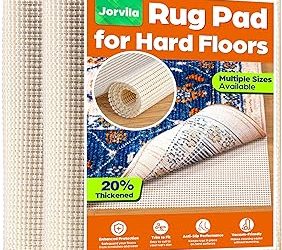
Often yes. Built-in non-slip layers stop sliding but add almost no cushioning or airflow. A thin felt pad improves comfort, extends rug life, and keeps a barrier between the backing and the finish.
What pile height works best on wood?
Low pile, generally under half an inch. It sits flat, avoids tripping hazards at thresholds, lets dining chairs move freely, and photographs and reads evenly under strong directional light.
Should I go light or dark in a dim room?
Light. A pale matte rug returns usable light back into the space and makes a modest lamp scheme feel more generous. Save deep chocolates and charcoals for rooms with layered lighting or plenty of daylight.
Final Thoughts
For most hardwood rooms, the UERMEI brown-grey abstract is the most adaptable pick, handling both daylight and warm lamps without shifting tone. If glare is your main complaint, the faux wool washable option has the lowest sheen of the group, while the SUPERIOR Rockwood in chocolate is the one I’d choose for entryways and high-traffic paths thanks to its breathable jute backing.