Key takeaways
- Extraction versus topical treatment: A machine with a vacuum motor lifts soil and moisture back out of the pile, while a spray cleaner loosens soil for you to blot away. Deep, set-in staining in dense automotive carpet generally needs the former; a fresh surface spill on a seat cushion often does not.
- Suction strength and dry time: Higher kPa ratings pull more water out on the return pass, which matters enormously in a sealed cabin where trapped dampness turns into odor. Aim for a surface that feels cool and barely tacky rather than wet when you finish.
- Nozzle geometry: Car interiors are mostly awkward corners. Narrow stain tools, crevice heads, and low-profile nozzles reach under seat rails and along transmission tunnels where a full-size upholstery head simply cannot sit flat.
- Onboard light and cord reach: An integrated LED changes what you can see inside a footwell more than any amount of technique will. Pair it with either a long 12V cord or a battery with real runtime, since driveway outlets are rarely where you need them.
- Self-cleaning and maintenance: Hoses that rinse themselves and tanks that empty cleanly are the difference between a tool you reach for monthly and one that stays in the cupboard growing a smell of its own.
What's inside
Anyone who works with light for a living knows that dirt is a lighting problem before it is a cleaning problem. A car interior can look perfectly acceptable in a dim garage, then betray every coffee ring and salt bloom the moment low afternoon sun rakes across the footwell at a shallow angle. Fiber carpet has a nap, and nap has direction, which means it catches light the way brushed velvet does. Compacted traffic lanes go glossy, matted pet hair scatters light unevenly, and a dried spill leaves a halo with a slightly different sheen than the fabric around it. You are not imagining the stain appearing and disappearing throughout the day; you are watching the light change.
This guide approaches carpet and upholstery cleaning the way a lighting designer approaches a room: judge the surface under the harshest raking light you can find, then clean until the sheen is uniform rather than until the visible spot is gone. Below are the machines and solutions worth owning in 2026, from compact extractors that pull moisture back out of dense automotive carpet to handheld vacuums with built-in LEDs that let you see what you are actually working on. We cover what separates a genuine extractor from a spray-and-blot chemical, how much suction matters on tightly woven car carpet, and how to avoid the water rings that show up only after everything dries.
As an Amazon Associate we earn from qualifying purchases.



How to Choose a Carpet Car Cleaner (2026)
- Extraction versus topical treatment: A machine with a vacuum motor lifts soil and moisture back out of the pile, while a spray cleaner loosens soil for you to blot away. Deep, set-in staining in dense automotive carpet generally needs the former; a fresh surface spill on a seat cushion often does not.
- Suction strength and dry time: Higher kPa ratings pull more water out on the return pass, which matters enormously in a sealed cabin where trapped dampness turns into odor. Aim for a surface that feels cool and barely tacky rather than wet when you finish.
- Nozzle geometry: Car interiors are mostly awkward corners. Narrow stain tools, crevice heads, and low-profile nozzles reach under seat rails and along transmission tunnels where a full-size upholstery head simply cannot sit flat.
- Onboard light and cord reach: An integrated LED changes what you can see inside a footwell more than any amount of technique will. Pair it with either a long 12V cord or a battery with real runtime, since driveway outlets are rarely where you need them.
- Self-cleaning and maintenance: Hoses that rinse themselves and tanks that empty cleanly are the difference between a tool you reach for monthly and one that stays in the cupboard growing a smell of its own.
The Best Carpet Car Cleaner (2026)s Reviewed
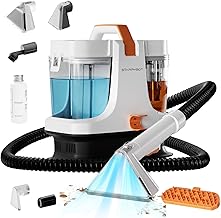
Starrybot Upholstery Cleaner Machine (18Kpa)
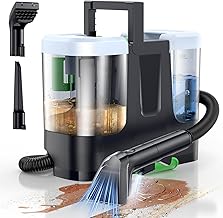
The 18Kpa suction is the headline here, and it earns its keep on tightly woven car carpet where weaker extractors leave moisture sitting in the backing. Pet stains and older organic spills respond well, and the recovered water in the dirty tank gives you honest feedback on how much soil the fibers were actually holding.
Chemical Guys Lightning Fast Carpet & Upholstery Stain Extractor
A straightforward spray, agitate, and blot chemical that punches above its weight on coffee, soda, and wine without requiring any hardware. Keep a bottle in the trunk for fresh spills, since treating a stain in the first hour is worth more than any machine you deploy a week later.
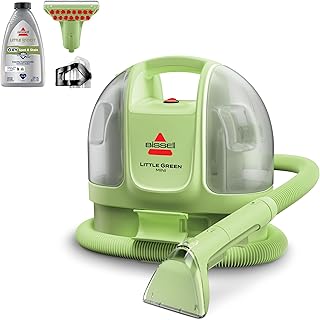
BISSELL Little Green Mini (4075)
Compact enough to actually carry to the car, with a 4-inch tough stain tool that fits the tight geometry of footwells and seat bolsters. The HydroRinse self-cleaning hose is the quietly important feature, keeping the internals from developing the sour smell that kills most portable extractors.
Hoover CleanSlate XL
The most capable pick when you are cleaning a whole vehicle rather than spot-treating, with a larger capacity that means fewer trips to the sink mid-job. The specialized tool set handles the transition from carpet to upholstery cleanly, which matters when you want consistent sheen across both surfaces.
AstroAI V2 Mini Handheld Car Vacuum
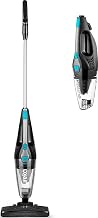
Not an extractor, but the essential first step: dry soil and pet hair must come out before any liquid goes in, or you are simply making mud. The onboard LED and 16.4-foot cord make it genuinely useful in dim garages, and the 6000mAh battery covers a full interior on one charge.
Frequently Asked Questions
Do I need a machine, or is a spray cleaner enough?
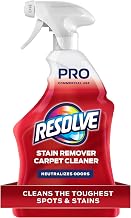
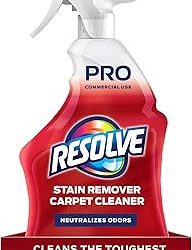
For fresh, shallow spills, a professional-strength product like Resolve or the Chemical Guys extractor handles most of the work. Once a stain has soaked into the carpet backing or padding, only a machine that pulls water back out will remove the source rather than lifting the visible tip of it.
Why does the stain come back after drying?
That is wicking. Residual soil and moisture in the backing migrate upward as the carpet dries, redepositing at the surface. Extract more thoroughly, use less solution, and finish with a dry pass or two.
How long should a car interior take to dry?
Four to eight hours with the doors open and decent airflow. Park it in direct sun if you can, and check with the back of your hand in the deepest part of the footwell rather than the exposed center.
What light should I inspect under?
Low-angle, single-source light. A work lamp held near floor level, aimed across the carpet rather than down at it, reveals sheen differences and residual soil that flat overhead light hides completely.
Final Thoughts
For most people, the BISSELL Little Green Mini is the right balance of portability and real extraction power, while the Hoover CleanSlate XL is the better choice if you clean full interiors regularly or share the machine across household carpets and upholstery. Add the AstroAI V2 Mini for the dry pass and the LED alone, and you will finally be able to see the surface well enough to know when you are done.