Find the best lightweight work boots for concrete floors, with cushioning, arch support, shock absorption and slip-resistant grip for long shifts all day.
Concrete floors do not forgive tired feet. Unlike soil, carpet, or wood, a sealed concrete slab gives back almost none of the energy from each step, so every heel strike travels straight up through the heel, ankle, knee, and lower back. That is why the best lightweight work boots for concrete floors are built around a different set of priorities than a general work boot: cushioning that lasts a full shift, arch support that holds its shape, shock absorption in the midsole and footbed, and an outsole that grips smooth, dusty, or polished concrete without adding unnecessary weight.
OUR TOP PICK
Timberland PRO Boondock Ultralight 6 Inch Composite Toe Waterproof Work Boot (B0DSCKHG8B)
The quick answer is to start with a light composite-toe boot that pairs a cushioned, energy-returning midsole with a slip-resistant, non-marking outsole and a removable footbed you can swap for an aftermarket insole if needed. A boot in that group will feel easier on concrete at hour nine than a heavier steel-toe boot with a thin, flat insole.
Quick Picks
Our Short List of 3
Editor’s Choice
Timberland PRO Boondock Ultralight 6 Inch Composite Toe Waterproof Work Boot (B0DSCKHG8B)
How to Choose the Best Lightweight Work Boots for Concrete Floors
Cushioning That Survives a Full Shift on Concrete
On concrete, a boot needs a midsole that compresses on impact and rebounds, rather than a soft insole that flattens by lunchtime. Look for named cushioning systems such as foam midsoles, air-infused midsoles, or polyurethane footbeds designed for shock absorption and energy return. A removable footbed is a useful bonus, because it lets you replace a worn insert without replacing the whole boot, and fit a supportive aftermarket insole if your arches need more structure. A boot that feels soft in the first minute but has no rebound will feel flat by the end of a long shift, while a firmer, springier midsole often feels better after several hours of walking.
Arch Support and Foot Fatigue on Hard Floors
Concrete punishes flat, unsupported feet. The arch has to do more work with every step, and that extra work shows up as aching arches, sore heels, and tired legs. A good concrete-floor boot should hold the arch in a neutral position rather than letting it collapse inward as the day goes on. Look for a contoured footbed, a shank or structured midsole that resists twisting, and a heel cup that keeps the foot centred over the sole. Boots with a non-metallic shank or a fibreglass shank can add that structure without adding the weight of a steel shank. If you have flat feet or high arches, a removable footbed matters even more, because it lets you use an insole matched to your arch height.
Shock Absorption in the Midsole and Footbed
Cushioning is the soft feel underfoot. Shock absorption is how much of the impact force the boot removes before it reaches your joints. On concrete, shock absorption is the feature that protects knees and lower backs over months and years, not just over one shift. Foam midsoles, polyurethane footbeds, and air-infused compounds are the usual ways makers build shock absorption into a light boot. A thicker midsole generally absorbs more impact than a thin one, but the material has to rebound instead of packing down. A wedge sole can also help, because its wide, flat contact area spreads each step across more of the foot instead of concentrating force at the heel and the ball.
Weight: How Light Is Light Enough for Concrete Work
A boot that weighs a few ounces less may not sound important, but the difference adds up across thousands of steps. Lighter boots reduce leg fatigue, make it easier to keep a natural walking pace late in a shift, and put less strain on ankles when you pivot on a hard floor. Composite toes and carbon-fibre toes are lighter than steel toes, which is one reason several picks below use them. Synthetic and mesh panels, foam midsoles, and non-metallic shanks also cut weight without removing protection. As a rough guide, a light work boot often weighs around 20 ounces or less per boot. Do not chase the lightest boot at the expense of support, though. A very light boot with a thin sole and no arch support will feel worse on concrete than a slightly heavier boot with a proper cushioned midsole and a stable heel.
Slip Resistance on Smooth and Polished Concrete
Warehouse and factory concrete is often sealed, polished, or coated, and it can be dusty, damp near dock doors, or slick where spills have been cleaned. Slip resistance is therefore a safety feature, not a comfort extra. Look for an outsole described as slip-resistant, oil-resistant, and non-marking, with a tread pattern that keeps contact with the floor rather than a deep lug pattern designed for mud. On smooth indoor concrete, a flatter tread with more surface contact often grips better than widely spaced lugs, which can leave gaps on a flat floor. Rubber and thermoplastic polyurethane outsoles are common choices for indoor grip. Check whether the boot is rated for slip resistance and electrical hazard protection if your workplace requires it.
Toe Protection, Fit, and Ankle Support for Concrete Floors
Toe protection should match your workplace rules. Composite toes and carbon-fibre toes protect against impact and compression while keeping weight down and staying metal-free, which suits workers who pass through metal detectors. Steel toes provide strong protection but add weight. Soft-toe boots are lighter still, but they suit only workplaces where no safety toe is required, so check your employer rules before choosing a soft toe. Fit matters as much as toe type on concrete. Feet swell during a long shift on a hard floor, so a boot that fits snugly in the morning can feel tight by the afternoon. Look for a roomy toe box that lets toes spread, regular and wide width options, and lacing that lets you adjust fit around the ankle and instep. A 6-inch shaft gives useful ankle support for ladder work and carrying loads, while a mid-height boot gives more freedom of movement for workers who mostly walk flat floors.
Breathability, Waterproofing, and Break-In on Indoor Floors
Indoor concrete work is usually climate-controlled, so breathability often matters more than heavy insulation. A boot with a breathable, moisture-wicking lining keeps feet drier during a long shift, and a waterproof membrane helps when you cross wet dock areas, wash-down zones, or outdoor loading bays. Waterproof leather with an internal membrane is a practical combination for floors that are sometimes damp but rarely submerged. Break-in also matters on concrete, because a stiff boot that needs weeks to soften will punish your feet while it breaks in. Boots with cement construction, flexible midsoles, and padded collars tend to feel comfortable sooner than stiff welted boots.
The Best Lightweight Work Boots for Concrete Floors Reviewed
Timberland PRO Boondock Ultralight 6 Inch Composite Toe Waterproof Work Boot (B0DSCKHG8B)
Top Pick
Timberland PRO Boondock Ultralight 6 Inch Composite Toe Waterproof Work Boot (B0DSCKHG8B)
The Timberland PRO Boondock Ultralight 6 Inch Composite Toe Waterproof Work Boot (B0DSCKHG8B) is the pick for workers who want full protection and waterproofing in a boot that still feels light on concrete. It pairs a full-grain waterproof leather upper with a composite safety toe, electrical hazard protection, and a lightweight, non-marking All-Weather TPU outsole built for heat, oil, slip, and abrasion resistance. That combination suits warehouse, factory, and distribution work where floors are sealed concrete, dock areas can be damp, and a safety toe is required.
For concrete comfort, the key features are the HoverSpring foam midsole and the Ventilated Anti-Fatigue Technology polyurethane footbed, designed for shock absorption, energy return, and arch support. The maker also describes a 24/7 comfort system that helps disperse pressure and support the arch, which is exactly the kind of structure that helps on a surface that gives nothing back. The boot uses a non-metallic shank and breathable moisture-wicking linings. This boot suits workers who spend long shifts on concrete and want a 6-inch boot with ankle support for carrying loads.
The Timberland PRO Reaxion Mid Composite Toe Waterproof Work Boot (B08LHK23MN) is the hiker-style pick in this group, and it suits concrete floors because it behaves more like a cushioned hiking boot than a stiff traditional work boot. Its rugged premium waterproof leather upper has a waterproof membrane for protection from water intrusion, while the TPU-wrapped Aerocore midsole is built for maximum energy return. A composite safety toe and electrical hazard protection complete the safety package.
On concrete, the Aerocore midsole is the feature to focus on. It is designed to return energy with each step, which helps when you are walking long distances across a warehouse or factory floor. The outsole is made of heat, oil, slip, and abrasion-resistant, non-marking rubber for traction on smooth indoor floors. This boot suits workers who walk a lot on concrete, prefer a hiker feel, and want a composite toe with waterproof protection in a lighter, more flexible package.
The Timberland PRO Titan EV 6 Inch Composite Toe Work Boot (B0CPN9XC1R) is the pick for workers whose main problem on concrete is heel comfort, arch fatigue, and the ache that builds up from standing in one place. It uses Timberland PRO Anti-Fatigue Technology, a geometric polyurethane-based system built for shock absorption and energy return, and it is described as a lightweight boot at around 18 ounces per boot, with minimal break-in and cement construction for immediate comfort.
That combination matters on concrete because a boot that feels comfortable from the first shift removes the painful break-in period that a stiff boot imposes on hard floors. The composite toe meets impact and compression safety standards while staying metal-free, which suits workers who pass through metal detectors and workers who want to cut weight without giving up toe protection. The supportive build helps workers with heel discomfort, where a flat, unsupportive boot can make standing worse. This boot suits workers who stand for long periods on concrete and workers moving from a heavy steel-toe boot to something lighter.
The KEEN Utility Red Hook Mid Composite Toe Waterproof Work Boot (B0C5RJ7ZBW) is the mid-height pick for workers who want a lighter boot with strong energy return and a roomier, foot-shaped fit. It is described as a work boot with the athletic performance and lightweight feel of a work sneaker, weighing around 21 ounces per boot, with a full-grain leather upper, TecTuff protection in high-abrasion areas, and a waterproof build for warehouse and manufacturing work.
For concrete floors, the KEEN.ReGEN midsole is the central feature. It is a lightweight, compression-resisting midsole described as providing more energy return than standard foam, which helps the boot keep its cushioning over a long shift instead of packing down. KEEN.BELLOWS FLEX technology is designed to let the footwear bend and flex more easily, so the boot moves with your stride on flat concrete. The carbon-fibre toes are light and non-metallic, the lining is moisture-wicking, and the removable insole lets you adjust support to suit your arch. A partial-fit flag applies here: this is a mid-height boot and sneaker hybrid, not a traditional tall 6-inch work boot, so it gives less ankle coverage than the 6-inch picks above. Workers who need tall ankle support for ladders or heavy materials handling should choose a 6-inch boot instead.
Confirm the safety toe your workplace requires, and match the boot to that rule rather than to weight alone. A composite toe, a carbon-fibre toe, and a steel toe all protect the toes, but they differ in weight, metal content, and employer acceptance. If your workplace requires electrical hazard protection, confirm that rating as well. Check the outsole rating for slip resistance and whether it is non-marking, because a boot that slides on polished concrete creates a safety risk. A flat, fine tread with good surface contact suits smooth concrete, while a deep lug suits outdoor mud.
Check the footbed. A removable footbed is worth favouring, because it lets you replace a flattened insert, fit a supportive insole, and keep the boot comfortable for longer. If you use custom orthotics, confirm that the boot has enough depth and a removable insert to accept them without crowding the toes. Check sizing and width. Consider a wide width if your feet swell during long concrete shifts or if you wear thicker socks. Try the boots on a hard floor at home, walk for several minutes, and check for heel slip, toe crowding, and pressure on the top of the foot.
Finally, plan for replacement. Cushioning and tread wear out before the upper does, and a boot that has lost its shock absorption will feel harder on concrete even if it still looks sound. Inspect the midsole for compression lines, the footbed for flattening, and the outsole for smooth patches. When the tread has worn smooth or the cushioning no longer rebounds, replace the boots rather than adding a thicker sock to compensate.
FAQ
Are lightweight work boots good for concrete floors?
Yes, when they are built for concrete. A lightweight work boot with a cushioned, energy-returning midsole, arch support, and a slip-resistant outsole can feel easier on concrete than a heavier boot with a thin insole. Weight alone is not enough, though. The boot also needs shock absorption, a stable heel, and a tread that grips smooth concrete, so look for those features together rather than choosing by weight alone.
What cushioning is best for standing on concrete all day?
A midsole and footbed built for shock absorption and energy return work best for standing on concrete. Foam midsoles, air-infused midsoles, and polyurethane anti-fatigue footbeds are common choices, and a removable footbed lets you replace a worn insert or fit a supportive insole.
Do I need a safety toe for warehouse concrete floors?
It depends on your employer and your role. Many warehouses, factories, and distribution centres require a composite, carbon-fibre, or steel safety toe, while some retail stockrooms and light assembly posts allow a soft toe. Check your workplace rules before buying, and do not choose a soft-toe boot for a job that requires toe protection. If you pass through metal detectors, a non-metallic composite or carbon-fibre toe is often the practical choice.
How do I stop my feet hurting on concrete floors?
Choose a boot with cushioning, arch support, and shock absorption, and make sure the fit leaves room for feet to swell during the shift. A removable footbed lets you use a supportive insole matched to your arch, and a light boot reduces leg fatigue across thousands of steps.
Are wedge soles better than lug soles on concrete?
Wedge soles often suit smooth indoor concrete because their wide, flat contact area spreads each step across more of the foot. Lug soles suit outdoor mud, gravel, and loose ground, where deep tread bites into soft surfaces.
Bottom Line
The best lightweight work boots for concrete floors are the ones that treat concrete as the main problem to solve: cushioning that rebounds, arch support that holds, shock absorption that protects joints, and an outsole that grips smooth, sealed floors without adding weight. Start with a light composite-toe or carbon-fibre-toe boot, check the midsole and footbed technology, confirm the slip-resistant outsole and the safety rating your workplace requires, and favour a removable footbed so you can keep the support fresh as the boot ages.
For most concrete-floor shifts, the Timberland PRO Boondock Ultralight 6 Inch Composite Toe Waterproof Work Boot (B0DSCKHG8B) is the most complete pick, with waterproof protection, a composite toe, and a HoverSpring midsole with an Anti-Fatigue footbed. If you walk long distances and prefer a hiker feel, the Timberland PRO Reaxion Mid Composite Toe Waterproof Work Boot (B08LHK23MN) is the flexible alternative. If standing and heel comfort are your main concern, the Timberland PRO Titan EV 6 Inch Composite Toe Work Boot (B0CPN9XC1R) is the choice for long standing shifts. If you want a mid-height boot with strong energy return and a roomy fit, the KEEN Utility Red Hook Mid Composite Toe Waterproof Work Boot (B0C5RJ7ZBW) is the lighter hybrid option, with the understanding that it gives less ankle coverage than a traditional 6-inch boot.
Disclosure: As an Amazon Associate, we may earn from qualifying purchases.
H
Home Beautiful Design Editorial Team
We compare specs, materials and verified owner reviews before a product earns a spot. Rankings are never paid.
Affiliate disclosure. As an Amazon Associate we earn from qualifying purchases at no extra cost to you. Prices accurate as of the date shown.
Four mini arcade cabinets with light-up marquees compared: Arcade1Up Pac-Man Countercade and Numskull Quarter Arcades replicas with LED backlit marquees.
Compare the best material for bathtubs with four real tubs in acrylic, cast iron, stone resin and copper, plus heat, weight and care notes to choose well.
Find the best bathroom countertop storage ideas for a tidy vanity, from tiered shelves and makeup trays to vanity sets and hair-tool holders for daily use.
The best magnifying lamps for console repair work bring clear lenses, bright LED light and steady arms to soldering, inspection and fine board work at home.
Find the best video lights for interviews under 300 dollars, with soft bi-color and RGB LED panel kits compared on color accuracy, diffusion, stands, and power options.
Compare the best portable video lights for interviews, from compact USB panels to full two-light kits with stands, batteries and app control for any room.
LED light up tracing pads compared by brightness, working area, and power: an ultra-thin A4 pad, a brighter acrylic board, and a rechargeable cordless model.
Choose the best hunting bow sight light with rechargeable power, three brightness levels and universal thread fittings for clear pins at dawn and dusk.
Looking for the best waterproof led strip lights outdoor blue battery powered? Compare blue, battery-powered strips for patios, decks, gardens, and boats.

 Timberland PRO Men's Reaxion Athletic Hiker Waterproof Soft7 Wide10 x 15 x 6 inches1.15 poundsCheck on Amazon

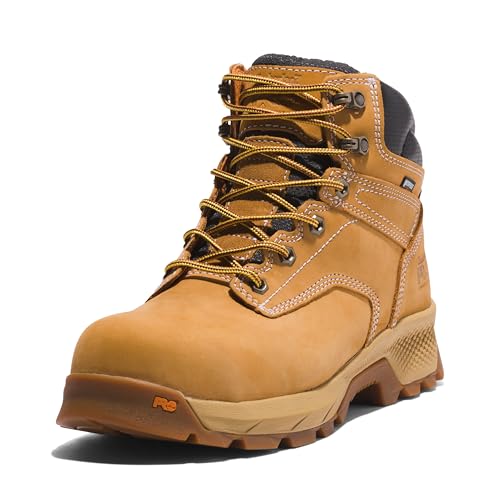 Timberland PRO Titan EV 6 Inch Composite Toe Work Boot (B0CPN9XC1R)
 KEEN Utility Red Hook Mid Composite Toe Waterproof Work Boot (B0C5RJ7ZBW)