Our Top Picks
 Sierra Designs Cloud Quilt 20 Degree Down BackpackingReg75 x 46 x 3 Inches1.52 PoundsCheck on Amazon
For most backpackers the best quilt is a 20°F down model such as the Enlightened Equipment Revelation 20 for value and versatility; choose the Western Mountaineering AstraLite or Hyperlite Mountain Gear 20° if every ounce counts, the REI Magma 30 or Hammock Gear Burrow if budget matters, and a synthetic option such as the Enlightened Equipment Enigma Apex if you expect damp conditions. The sections below compare the quilts that reviewers keep naming, explain how to read ratings, and help you match a quilt to your trips and your sleeping pad.
These quilts are also popular for home use as a lightweight, packable layer for spare rooms, cabins and camper vans, but the ratings below refer to outdoor sleeping with a pad, and the details come from reviewers and makers.

Ultralight Sleeping Bag Top Quilt, 850 Down, 1.9 lbs, Rated 30°F | More Freedom of Movement & a Customized Sleeping Experience for Backpacking, Hiking & Camping
Chosen because it specifies 850 Down and 1.9 lbs.
View on Amazon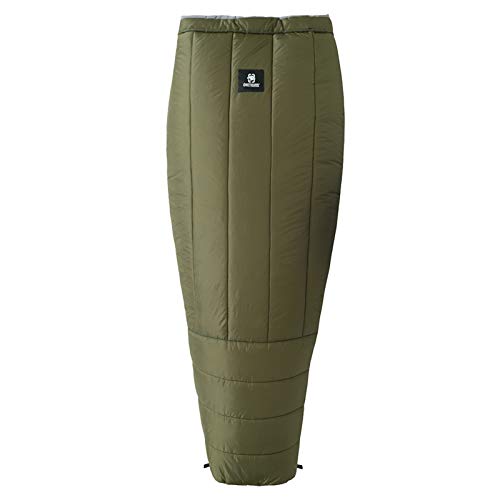
OneTigris Featherlite Ultralight Sleeping Quilt, Weighs Only 35oz | 3 Seasons, Side Sleeper Friendly, Lightweight Backpacking Quilt with Footbox for Camping, Hiking, Backpacking and Hammocks
Chosen because it specifies Weighs Only 35oz and 3 Seasons.
View on AmazonSierra Designs Cloud Quilt 20 Degree Down Backpacking Quilt, Ultralight 800 Fill Power DriDown with Hideaway Hood, Insulated Hand Pockets, Regular
Chosen because it specifies Ultralight 800 Fill Power DriDown with Hideaway Hood and Insulated Hand Pockets.
View on Amazon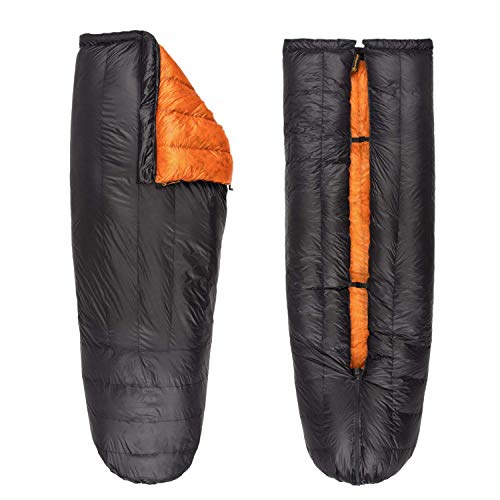
Featherstone Moondance 25 850 Fill Power Down Top Quilt Mummy Sleeping Bag Alternative for Ultralight Backpacking Camping and Thru-Hiking
Picked as a relevant option in this category.
View on AmazonHow a backpacking quilt works
A quilt drops the back insulation of a sleeping bag, because the fill under you is crushed flat and does little work. Instead it covers the top and sides, and the sleeping pad provides insulation below. The result is a lighter, more packable item with a roomy, flexible feel: you can open it flat like a blanket in warm weather or cinch it tight when it is cold. The trade-offs are drafts if the quilt does not seal around you and a dependence on a good pad.
Most quilts attach to the pad with straps, clips or elastic cords so they stay in place while you roll. Some, like the Zpacks Classic, include an enclosed footbox that works like a bag’s foot area. Others stay open and rely on a drawcord.
At a glance: widely reviewed quilts
Temperature, weight and fill below are as reported in CleverHiker’s quilt guide for the regular sizes tested; the maker’s own listings vary by length, width and fill option.
| Quilt | Rating | Weight (reported) | Fill | Best for | Limits |
|---|---|---|---|---|---|
| Western Mountaineering AstraLite | 26°F | about 1 lb | 850 down | Lightest warmth for the weight | Slim cut; premium tier |
| Hyperlite Mountain Gear 20° | 20°F | about 1 lb 1 oz | 1000 down | Ultralight warmth in the upper 30s | Expensive; few customization options |
| Enlightened Equipment Revelation 20 | 20°F | about 1 lb 6.5 oz | 850 or 950 down | All-round, opens fully flat | May fall short for cold sleepers below freezing |
| REI Magma 30 Down Trail | 30°F | about 1 lb 4 oz | 850 down | Warm-weather trips, wide cut | Not for cold nights; thin fabric needs care |
| Zpacks Classic 20 | 20°F | about 1 lb 3 oz | 900 down | Light, with enclosed footbox | Delicate materials |
| Hammock Gear Burrow 20 | 20°F | about 1 lb 9 oz | 850 or 950 down | Budget-conscious, durable | Heavier and bulkier |
| UGQ Bandit 20 | 20°F | about 1 lb 6 oz | 850 or 950 down | Customizable for mild weather | Reviewer found it underperformed its rating in freezing conditions |
| Katabatic Flex 22 | 22°F | about 1 lb 8 oz | 850 or 900 down | Blanket mode, moisture-resistant down | Heavy for the tier; down can shift in continuous baffles |
| Zpacks 20F Twin | 20°F | about 1 lb 12 oz | 900 down | Two people sharing | No pad straps or neck baffle; pads can separate |
Other outlets name additional models: Field Mag picks the Katabatic Gear Alsek and the Nunatak Sastrugi, Treeline Review names the Katabatic Palisade and the NEMO Pulse, and Outdoors Magic cites the Therm-a-Rest Vesper and the Big Agnes Lost Ranger as a quilt sleep system. Treat these as additional options and read the maker’s current specification.
Down or synthetic?
Down
Down offers the best warmth for the weight and compresses small. Fill power (850, 900, 950 and so on) indicates loft per ounce, so higher numbers generally mean a lighter quilt for the same warmth. Down loses insulation when it is soaked, which is why makers offer treated down and why reviewers advise keeping it dry in a liner.
Synthetic
Synthetic fill keeps more warmth when damp, dries faster and tolerates rough handling, but it is heavier and bulkier. The Enlightened Equipment Enigma Apex is the model The Trek names as its top synthetic quilt.
Hybrid
Some quilts combine down and synthetic. The Trek lists the Feathered Friends Flicker UL 20 as a hybrid, aimed at people who want down’s weight with a measure of damp-weather insurance.
Reading temperature ratings
Most makers use a lower-limit style rating, meaning a person can sleep at that temperature with an appropriate pad and clothing. Individual comfort varies, and many reviewers suggest adding a few degrees of margin for cold sleepers. Cold sleepers should pick a quilt rated 10 degrees below the lowest temperature they plan to face. Pad insulation matters too: a quilt will not compensate for a thin or low-R-value pad on cold ground.
Fit and sizing notes
- Width: Wider quilts cut drafts if you roll, but add weight. Narrow cuts such as the AstraLite are lighter but can feel restrictive.
- Length: Makers typically offer regular and long; match length to height so your feet and shoulders are covered.
- Pad attachment: Straps and clips keep the quilt from drifting; the Loco Libre pad clips are described by CleverHiker as fiddly.
- Footbox: Enclosed footboxes keep feet warmer; open designs are more versatile when opened flat.
- Two-person options: The Zpacks Twin and the Enlightened Equipment Accomplice cover two sleepers, but reviewers note that pads can separate.
Care and storage
Store a quilt loosely in a large cotton or mesh bag rather than compressed, because long compression can reduce loft over time. Wash according to the maker’s instructions, usually with a down-specific cleaner on a gentle cycle and a low-heat dry. Spot clean small marks. Check the maker’s label for exact guidance, and use a liner if you want to keep body oils off the shell.
Matching a quilt to your sleep system
A quilt is one half of a system. The other half is the pad, and the pad’s insulation rating, the ground temperature and your sleep position decide how well the pair performs. Side sleepers often prefer a wider quilt so they can tuck it around the shoulder, while back sleepers can use a narrower cut. If you move a lot, a quilt with a snug pad attachment system is less likely to leave you exposed. On cold nights, wear a hat and dry base layers, because a quilt does not cover the head and the neck area is where drafts creep in. A neck baffle or drawcord helps, as does a small insulated hood if you tend to sleep cold.
Before a long trip, sleep in the quilt at home or on a short overnight to learn how it handles your movement, how the straps adjust and whether the length and width suit you. Fixing a fit problem in the backyard is easier than in the mountains.
Budget tiers
- Budget: Hammock Gear Burrow, REI Magma 30 and Therm-a-Rest Corus-style options, which trade some weight for value.
- Mid-range: Enlightened Equipment Revelation and Enigma lines, UGQ and Katabatic models with a wide range of customization.
- Premium: Western Mountaineering, Hyperlite and Zpacks quilts, built around lowest weight and high-grade down.
Pick X if you…
| If you… | Pick |
|---|---|
| Want one quilt for three seasons | Enlightened Equipment Revelation 20 |
| Prioritize lowest weight | Western Mountaineering AstraLite or Hyperlite 20° |
| Hike mostly in summer | REI Magma 30 |
| Need to watch the budget | Hammock Gear Burrow |
| Camp in wet climates | Enlightened Equipment Enigma Apex (synthetic) |
| Share with a partner | Zpacks 20F Twin or EE Accomplice |
| Want a footbox | Zpacks Classic 20 |
Alternatives
- Traditional sleeping bag: Better sealed against drafts and simpler for restless sleepers, but heavier.
- Quilt sleep systems: Combined quilt-and-pad systems such as the Big Agnes Lost Ranger, which reviewers say reduce drifting.
- Hammock underquilts: A separate product for hammock campers; see the maker’s guidance.
- Liner plus lightweight blanket: A minimalist summer approach.
Frequently Asked Questions
What temperature rating should I buy?
Most three-season hikers choose a 20°F quilt, while summer-only hikers can drop to 30°F. Pick a rating about 10 degrees below the coldest night you expect if you sleep cold, and pair it with a pad suited to the ground temperature.
Are quilts colder than sleeping bags?
Not if they fit well and are paired with a good pad. A quilt’s weak point is drafts at the edges, which good straps, narrow fits and a drawcord help to reduce.
How much does fill power matter?
Higher fill power gives more loft per ounce, so a higher number can mean a lighter quilt for the same warmth. It does not change the temperature rating, which the maker already accounts for.
Can I use a backpacking quilt at home?
Yes, many people use lightweight down quilts as a spare-room or travel layer. Keep it clean with a cover, and wash as the maker instructs.
How do I keep a down quilt dry?
Pack it in a waterproof liner or dry bag, avoid condensation by venting your shelter, and dry it in the sun when possible. If you often camp in wet climates, a synthetic quilt may suit better.
Do I need a special sleeping pad with a quilt?
You need a pad with enough insulation for the conditions, because the quilt has no insulation underneath. Many models include straps or clips to hold the quilt to a pad, which keeps drafts down.