Key takeaways
- Beside an entry door: Use one or two shielded sconces with a diffused lens to make keys and steps visible without shining into eyes. Mount the fixture’s center roughly 66–72 inches above the landing, adjusting for the door and fixture proportions.
- At a garage or driveway: A brighter downlight or motion-sensor fixture can cover vehicle approaches. Aim the beam at the ground, not a neighbor’s window or the driver’s sightline.
- Along a narrow side passage: A compact, downward-facing light limits glare and wasted spill. Multiple modest fixtures spaced along the route often work better than one very bright light.
- On a patio wall: Choose a diffused or indirect light for seating; a bare, high-output LED can feel harsh when people are looking toward the wall. Add separate task lighting near a grill or work surface if needed.
- For a large blank façade: A pair of up/down lights can create an architectural wash, but check the beam angle and nearby eaves, trees, and windows before buying.
Best Outdoor Wall Lights for Every Exterior
The best outdoor wall lights are weather-rated fixtures sized to the area they need to illuminate: choose a shielded, lower-brightness light near a door, a brighter downlight for a path or driveway, and a wide-beam fixture for a large wall. Match the mounting position, IP rating, and power source to the site before choosing a style.
Choose by location and job
- Beside an entry door: Use one or two shielded sconces with a diffused lens to make keys and steps visible without shining into eyes. Mount the fixture’s center roughly 66–72 inches above the landing, adjusting for the door and fixture proportions.
- At a garage or driveway: A brighter downlight or motion-sensor fixture can cover vehicle approaches. Aim the beam at the ground, not a neighbor’s window or the driver’s sightline.
- Along a narrow side passage: A compact, downward-facing light limits glare and wasted spill. Multiple modest fixtures spaced along the route often work better than one very bright light.
- On a patio wall: Choose a diffused or indirect light for seating; a bare, high-output LED can feel harsh when people are looking toward the wall. Add separate task lighting near a grill or work surface if needed.
- For a large blank façade: A pair of up/down lights can create an architectural wash, but check the beam angle and nearby eaves, trees, and windows before buying.
Brightness: use lumens, not bulb wattage
Lumens indicate light output; watts indicate energy use. As a practical starting point, a sheltered entrance may need about 400–800 lumens per fixture, while a driveway or larger access area may call for roughly 700–1,200 lumens. These are planning ranges, not guarantees: beam shape, mounting height, wall color, and neighboring lights all affect how bright the area feels.
For comfort, favor a frosted diffuser or a shielded downward beam where people approach the fixture. A wide beam spreads light across a wall or path; a narrow beam creates a concentrated pool. If the fixture uses a replaceable bulb, check its maximum permitted wattage and dimensions. For integrated LEDs, look for stated lumens, color temperature, and whether the light source can be replaced.
Compare the main fixture types
| Type | Typical output | Best placement | Energy and controls | Installation complexity |
|---|---|---|---|---|
| Shielded entry sconce | 400–800 lumens | Doorways, porches, sheltered patios | LED bulb or integrated LED; optional photocell | Low to moderate when replacing an existing wired fixture |
| Downlight or cylinder light | 500–1,200 lumens | Garage sides, paths, utility doors | LED; motion sensor or dusk-to-dawn control available | Moderate; aim and sensor placement matter |
| Up/down wall light | 300–900 lumens | Feature walls and patios away from direct eye level | Usually LED; often integrated | Moderate; requires suitable wiring and careful spacing |
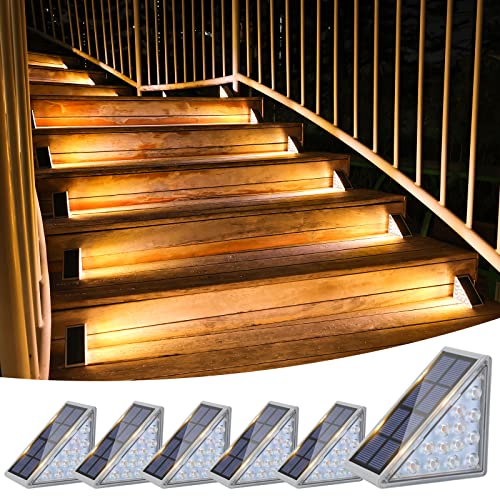
| Solar wall light | Varies widely; check the stated output | Sunny, accessible walls without wiring | Solar-charged battery; some models include motion sensing | Low; mounting and periodic cleaning are the main tasks |
| Flood-style wall light | 1,000 lumens and above | Driveways, wide side yards, security coverage | LED, often with motion or photocell controls | Moderate to high if new wiring or aiming adjustments are needed |
Outputs vary by model, and some manufacturers specify a range rather than a single figure. For a softer outdoor atmosphere, lower output and a diffuser are usually preferable to a powerful exposed source.
Weather rating and materials: what to check
Look for an IP rating, which describes protection against dust and water. The first digit relates to solids and the second to water. For example, IP44 protects against splashing water, while IP65 indicates dust-tight construction and protection against water jets. Use the rating appropriate to the fixture’s exposure and follow local electrical requirements; a covered porch and an exposed coastal wall are not the same environment.
| Exterior condition | Useful specification to consider | Trade-off to understand |
|---|---|---|
| Covered porch, sheltered from direct rain | At least IP44, where permitted by the fixture instructions and local code | Less sealing may mean a wider style choice, but it is not suitable for every exposed position |
| Open wall exposed to rain | Often IP65 or a manufacturer-rated equivalent for the location | Better sealing helps resist water and dust; inspect gaskets and cable entries over time |
| Coastal or high-salt environment | Corrosion-resistant construction and hardware, with a stated suitability for coastal use | Even durable finishes can need rinsing and periodic inspection; ordinary plated hardware may corrode sooner |
| Hot, sunny wall | UV-resistant finish and operating-temperature range suited to the site | Dark finishes can heat up, and inexpensive coatings may fade or peel faster |
Aluminum is lightweight and commonly used for outdoor housings, but finish quality matters. Stainless steel can suit demanding locations when the grade and hardware are appropriate. Glass diffusers resist UV exposure but can break; polycarbonate is lighter and impact-resistant, though it may discolor over years of sun exposure. Check whether the fixture has drainage and replaceable seals rather than assuming a high IP rating means maintenance-free.
Energy use and controls
LED wall lights use substantially less power than traditional incandescent lamps for comparable light output. Compare lumens and watts together: a 600-lumen LED using about 6–10 watts is generally more efficient than an incandescent source producing similar light with many times the power. Exact figures vary, so use the product’s label rather than treating these as a guarantee.
A photocell switches a light on when it gets dark; a motion sensor limits runtime when the area is empty. These controls can reduce unnecessary use, but sensor range, detection angle, and adjustable time settings are important. Avoid positioning a motion sensor where passing traffic, swaying branches, or a neighboring walkway will trigger it repeatedly. Solar models avoid household wiring, but output and run time depend on sunlight, battery capacity, shade, and season.
Make the choice by your situation
| Your situation | Good starting choice | Check before buying |
|---|---|---|
| Covered front entry | Diffused sconce, about 400–800 lumens | Door swing, glare from standing height, and IP rating |
| Unwired wall with reliable sun | Solar light with motion mode and replaceable battery if available | Direct-sun hours, winter performance, and stated output |
| Dark driveway or side access | Shielded LED downlight or motion-sensor flood-style fixture | Beam direction, sensor range, and spill toward neighbors |
| Coastal home | Corrosion-resistant fixture rated for the exposure | Metal grade, fasteners, coating, and maintenance guidance |
| Replacing an existing light | Fixture with a compatible mounting plate and wiring arrangement | Junction-box size, mounting dimensions, and whether the new fixture covers the old footprint |
Installation: where costs and complications arise
Replacing a fixture on an existing, correctly located outdoor junction box is typically simpler than adding a new light. New wiring, masonry drilling, a high mounting point, or a difficult cable route can make installation more complex and may require a licensed electrician. Turn off the circuit at the breaker and verify it is de-energized before any work; if wiring condition, grounding, or local code is unclear, hire a qualified professional.
Before ordering, measure the junction box and the fixture’s mounting plate, then check that the canopy covers the box and any marks left by the old fixture. Confirm that the box is suitable for the fixture’s weight, that the wall material accepts the required fasteners, and that the seal sits flat against the surface. On uneven stone or siding, the installation may need a compatible mounting block or gasket to keep water from collecting behind the fixture.
Quick buying checklist
- Choose the job first: entry visibility, path coverage, decoration, or security.
- Compare lumens, beam direction, and glare control—not watts alone.
- Match the IP rating and materials to rain, sun, salt, and dust exposure.
- Decide whether a replaceable LED bulb or integrated LED better suits future maintenance.
- Check wiring, mounting dimensions, sensor behavior, and the wall surface before purchase.