Key takeaways
- Overfilling the reservoir: Filling liquid past the two-thirds mark starves the burner stone of air, preventing proper catalytic ignition.
- Excessive flame burn time: Leaving the initial open flame burning for longer than two minutes overheats the ceramic stone, causing charring and shorting the burner’s lifespan.
- Running the lamp dry: Allowing the fuel to run completely empty while active singes the internal cotton wick, resulting in persistent foul smoke.
- Leaving the lamp un-snuffed: Forgetting to place the solid snuffer cap on after use causes total fuel evaporation within a few days.
Maison Berger Paris catalytic lamps—originally engineered over a century ago to purify hospital air—have evolved into premier decorative accent pieces that serve a dual purpose: eliminating airborne odors and diffusing refined home fragrance. Unlike traditional scented candles or standard reed diffusers that simply mask unwanted smells with heavy perfumes, a catalytic lamp utilizes a high-temperature catalytic combustion process. This chemical reaction actively breaks down odor-causing molecules, such as cooking smells, pet odors, and stale air, while simultaneously releasing fine perfume into the atmosphere. However, with hundreds of vessel styles, multiple burner iterations, and varying liquid formulations available, selecting the right system can quickly become overwhelming for homeowners seeking both elegance and efficiency.
As we evaluate ambient home decor and air treatment options in 2026, understanding which technical specifications and practical design elements actually impact performance is crucial. While decorative aesthetics play a major role in your choice, factors like burner wick compatibility, bottle capacity, material durability, and proper fuel management dictate how effectively the lamp operates over time. Investing in the wrong vessel shape or mismanaging the burner burn cycle often leads to wasted fuel, weak fragrance dispersion, or premature burner failure. This comprehensive decision guide breaks down the essential criteria you need to evaluate before purchasing your next catalytic lamp system.
As an Amazon Associate we earn from qualifying purchases at no extra cost to you.
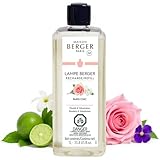
Understanding the Catalytic Burner: The Core Performance Engine
The true heart of any Maison Berger lamp is its catalytic burner assembly, which consists of a porous ceramic stone attached to a braided cotton wick. The catalytic stone is lined around its outer rim with precious metals, primarily platinum, which facilitates the flameless combustion process once heated. When choosing a lamp system, ensure you are buying a model compatible with the modern Air Pur System burner wick assembly, which features improved heat retention and more consistent fuel draw than legacy designs.
The burner stone reaches operating temperatures around 500 degrees Celsius on the outer ring to destroy odor molecules, while the cooler center section (around 200 degrees Celsius) diffuses fragrance without scorching the scented oils. A quality burner should yield approximately 200 ignitions, or roughly one year of regular usage, before needing replacement. Purchasing lamps that utilize standard, readily available burner lengths simplifies long-term maintenance and guarantees consistent fragrance output across your collection.
Vessel Material and Construction: Glass, Porcelain, and Lacquer
Maison Berger vessels are crafted from three primary materials: translucent colored glass, opaque glazed ceramic or porcelain, and heavy crystal. Translucent glass is the most practical choice for everyday users because it allows you to clearly monitor liquid levels inside the reservoir. Seeing the remaining liquid prevents you from accidentally running the lamp dry, which burns the cotton wick, or overfilling it beyond the maximum fill threshold.
Opaque porcelain and lacquered ceramic vessels offer a striking, sculptural aesthetic that hides the interior liquid entirely, making them popular for formal living rooms and entryways. However, they require careful measurement using a funnel during fills to avoid overfilling. Heavy crystal lamps provide superior stability and physical weight, making them far less prone to tipping over on busy side tables, though they carry a significantly higher price point.
Reservoir Capacity and Room Sizing
Catalytic lamp reservoirs generally range in size from compact 250-milliliter vessels up to larger 500-milliliter lamps. It is important to remember that a catalytic lamp should never be filled completely to the brim; the maximum recommended fluid level is strictly two-thirds full to leave adequate air headspace for proper wick saturation and capillary action.
A standard 20-minute burn cycle in a medium-sized room (around 100 to 150 square feet) purifies the air and leaves behind a ambient scent that lasts for several hours. Larger open-concept spaces of 300 square feet or more benefit from lamps with larger fluid capacities and broader burner surfaces, allowing you to safely run a 30-to-40-minute cycle without depleting the fuel reservoir too quickly.
Fuel Chemistry: Fragrance Oils vs. Neutral Liquids
The catalytic lamp system relies on a precise, highly purified isopropyl alcohol base to sustain flameless catalytic combustion. Using third-party essential oils, paraffin-based candle oils, or unapproved alcohol concentrations will immediately clog the microscopic pores of the ceramic stone, permanently ruining the burner assembly. Always stick to official Maison Berger home fragrances designed specifically for catalytic systems.
Every lamp owner should also keep a bottle of “So Neutral” liquid on hand. Neutral fluid serves three vital functions: it allows you to dilute overly strong scents down to a subtle concentration, it cleans the burner stone between switching different fragrance profiles, and it operates as a pure air purifier when you want to remove odors without adding any scent to the room.
Hardware Quality: Snuffer Caps, Mounting Frames, and Seals
Beyond the glass body and the burner, every catalytic lamp includes two key hardware components: a solid snuffer cap and a decorative openwork frame. The snuffer cap plays a critical functional role by completely cutting off oxygen to the burner stone to stop the catalytic reaction, while simultaneously forming an airtight seal over the wick when the lamp is not in use. A poorly fitting or damaged snuffer cap allows the alcohol base to evaporate into thin air, leaving behind concentrated fragrance residue that clogs the burner.
The decorative top frame protects hands and surrounding items from accidental contact with the hot ceramic stone during operation. High-end lamp models feature heavy cast metal frames with secure silicone ring fitters, whereas lower-cost starter models may feature lightweight stamped metal. Ensure the decorative crown sits firmly over the lamp neck without wobbling or impeding air intake around the catalytic surface.
Key Operational Mistakes to Avoid
To maximize the operational lifespan of your lamp and maintain clean air purification, avoid these common operational pitfalls:
- Overfilling the reservoir: Filling liquid past the two-thirds mark starves the burner stone of air, preventing proper catalytic ignition.
- Excessive flame burn time: Leaving the initial open flame burning for longer than two minutes overheats the ceramic stone, causing charring and shorting the burner’s lifespan.
- Running the lamp dry: Allowing the fuel to run completely empty while active singes the internal cotton wick, resulting in persistent foul smoke.
- Leaving the lamp un-snuffed: Forgetting to place the solid snuffer cap on after use causes total fuel evaporation within a few days.
Cost vs. Value: When Is Spending More Worth It?
Maison Berger lamps span a wide price spectrum, ranging from affordable starter kits to hand-blown art glass and limited-edition museum collections. Crucially, the core functional technology—the burner wick, fuel efficiency, and odor-elimination performance—remains virtually identical across all price tiers. A entry-level clear glass lamp purifies air just as effectively as a high-end designer piece.
Spending extra money makes sense when you are choosing a vessel that serves as a permanent architectural or decor focal point in your home. Heavyweight art glass, hand-gilded porcelain, and unique vintage-inspired silhouettes double as functional sculptures. If your primary goal is practical odor control in utility areas, kitchens, or bathrooms, straightforward glass starter sets offer the best value-to-performance ratio.
Related Guides
To explore specific model comparisons and complement your home ambience setup, check out our top-rated recommendations for compared and ranked Maison Berger catalytic lamps. If you are upgrading your ambient control across the entire property, take a look at our selection of whole home smart lighting controls to craft automated light scenes, or browse our favorite commercial outdoor Christmas lighting systems for high-impact exterior holiday illumination.
FAQ
Can I use standard essential oils or third-party fragrance refills in my catalytic lamp?
No, you should never use essential oils or generic refill fluids in a catalytic lamp. These liquids contain heavy oils and improper alcohol concentrations that block the microscopic pores of the ceramic burner, rendering the system unusable and posing a potential smoke hazard. Always use original Maison Berger home fragrances or neutral fluid.
How long should I leave a catalytic lamp burning during a single use?
A catalytic lamp should typically run for 20 to 30 minutes per session, which is sufficient to purify the air and diffuse fragrance in a standard-sized room. Operating the lamp for longer than 45 minutes offers diminishing scent returns and prematurely depletes fuel without adding extra air purification benefits.
How do I know when it is time to replace my catalytic burner wick?
You should replace your burner wick assembly after approximately 200 ignitions or roughly one year of consistent use. Primary indicators that your burner needs replacement include difficulty holding a catalytic glow, consistent failure to stay hot after blowing out the initial flame, or noticeable charring on the ceramic stone.
Why does my catalytic lamp flame burn so high when I first light it?
The initial flame burns tall—often 3 to 4 inches high—because the alcohol-soaked stone is igniting surface fuel to rapidly reach its 500-degree catalytic temperature. This intense flame is completely normal and should be blown out after precisely two minutes to begin the flameless catalytic phase.