Key takeaways
- Measure humidity with a hygrometer before and after installation instead of judging by throat or skin comfort.
- Keep mist outlets away from lamps, outlets, timber surfaces, books, and upholstered furniture.
- Use a central humidistat when possible, and avoid running multiple portable units without checking the combined effect.
- Schedule filter, water-panel, tank, and drain maintenance before winter demand peaks.
What's inside
Dry winter air changes more than comfort. It can make timber furniture feel brittle, encourage static around lamps and electronics, and leave a room’s lighting feeling harsher because dry air often comes with colder, less inviting surfaces. The best whole-house humidifier adds measured moisture through your HVAC system—or, in smaller homes, through a carefully placed room unit—so the atmosphere feels calmer without making windows, upholstery, or woodwork damp.
This guide explains how to choose the right capacity, humidifier type, controls, and maintenance routine for 2026. It also separates true duct-mounted systems from large portable units, so you can compare products honestly and build a comfortable, well-balanced home environment.
As an Amazon Associate we earn from qualifying purchases.


🛒 Best Price Today on Amazon
Prime members get fast, free shipping on everything above, plus member-only deals. New members get a 30-day free trial — cancel anytime.
Our Recommended Picks
For genuine whole-house coverage, the AprilAire 800 Whole-House Steam Humidifier is the most suitable option in this selection. It is designed for homes up to 10,300 square feet and uses automatic steam humidification, making it a strong choice when consistent moisture matters more than a simple plug-in setup. Installation requires appropriate HVAC, electrical, and plumbing work, so treat it as a professional project rather than a countertop appliance.
The AprilAire 4792 Humidifier Maintenance Kit, including Water Panel Model No. 10, is a practical replacement part for compatible AprilAire 500, 500A, and 500M systems. Keeping the water panel fresh helps the humidifier operate as intended and prevents maintenance from being overlooked. For apartments, bedrooms, or homes without ductwork, consider large portable units such as the AreShark 4.2 Gal/16L Humidifier or the Lacidoll 16L Large-Room Humidifier. These can support a single zone, but they are not substitutes for a professionally installed central system.
Start With the Right Type of Humidifier
A whole-house bypass or fan-powered humidifier connects to forced-air ductwork and distributes moisture whenever the heating system runs. A steam model, such as the AprilAire 800, creates steam electrically and can provide more predictable output, particularly in larger homes or during mild weather when the furnace runs less often. Steam systems generally cost more to install and operate, but their independence from furnace runtime can be valuable.
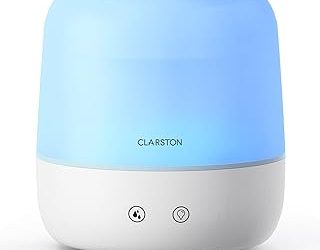
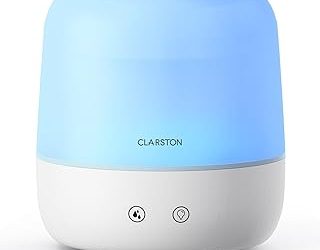
Portable ultrasonic humidifiers are different. Products such as the 15L/3.96 Gal, 800-square-foot Humidifier for Bedroom and the AreShark model can improve a room or open living area, but their published coverage depends on ceiling height, ventilation, climate, and door positions. Use them as targeted ambience tools: one near a reading chair, for example, rather than expecting one machine to condition every floor.
Match Capacity to Your Home and Climate
Square-foot ratings are useful starting points, not guarantees. A drafty older house, high ceilings, frequent door opening, and very cold outdoor temperatures all increase moisture demand. A tightly sealed home may need much less. Before buying, check whether the manufacturer’s rating assumes an open floor plan and note the output measurement, usually expressed in gallons per day or liters per hour.
Oversizing is not automatically better. Excess moisture can produce window condensation, musty odors, and conditions that encourage mold. A central humidifier paired with a duct-mounted humidistat is usually easier to regulate than several portable machines running independently. For a smaller space, select a unit with adjustable output and a large tank, rather than relying solely on the largest advertised coverage figure.
Protect Furniture, Floors, and Lighting
Humidity affects the visual character of a room. Wood tables, flooring, cabinetry, and instrument cases generally fare better in a stable moderate range than through repeated swings from very dry to overly damp conditions. A hygrometer gives you a more reliable picture than skin comfort alone; place one near vulnerable furniture and another in the main living area.
Position portable humidifiers on a water-resistant, level surface with clearance around the mist outlet. Do not aim visible mist toward a pendant light, wall sconce, artwork, speaker, or wooden cabinet. Cool mist may look atmospheric in a softly lit room, but droplets settling on finishes are a maintenance problem, not a design feature. Warm mist units can add comfort near seating, yet they require extra care around children, pets, and heat-sensitive surfaces.
Check Controls, Water, and Maintenance
Look for an adjustable humidistat, automatic shut-off, an accessible tank, and clear cleaning instructions. A top-fill design can be convenient, while an extension tube may help direct output away from walls or furniture. Aroma boxes and night lights can be pleasant extras, but they should not outweigh sanitation, control accuracy, or replacement-part availability.
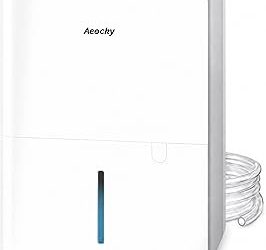
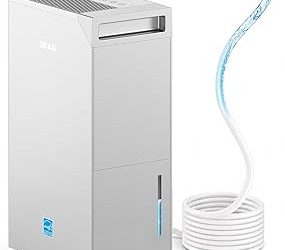
Water quality matters, especially with ultrasonic models. Hard water can leave mineral dust on dark furniture and nearby electronics. Distilled or filtered water may reduce deposits, depending on the manufacturer’s instructions. Empty standing water regularly, clean the tank and base as directed, and replace filters or water panels on schedule. If you are considering the hOmeLabs 4,500-square-foot Dehumidifier, remember that it removes moisture rather than adding it; it can be useful in a damp basement or as part of seasonal humidity control, but it is not a humidifier.
Tips
- Measure humidity with a hygrometer before and after installation instead of judging by throat or skin comfort.
- Keep mist outlets away from lamps, outlets, timber surfaces, books, and upholstered furniture.
- Use a central humidistat when possible, and avoid running multiple portable units without checking the combined effect.
- Schedule filter, water-panel, tank, and drain maintenance before winter demand peaks.
Frequently Asked Questions
What is the best whole-house humidifier for a large home?
A duct-connected steam model is often the most flexible choice for a large or irregularly heated home. The AprilAire 800 is rated for homes up to 10,300 square feet, but a professional should confirm output, electrical requirements, water supply, and HVAC compatibility before purchase.
Are portable humidifiers truly whole-house solutions?
Usually not. Large portable units can work well in an open-plan zone or individual floor, but doors, stairs, ventilation, and room layout limit how evenly moisture travels. They are best viewed as room or zone humidifiers unless a manufacturer provides unusually specific installation guidance.
What humidity level should I aim for?
A moderate setting is generally safer than maximizing moisture. Many homes begin around 30 to 40 percent relative humidity in winter, then adjust according to window condensation, building materials, and local conditions. Follow your HVAC manufacturer’s recommendations and reduce the setting if condensation appears.
How often does a whole-house humidifier need maintenance?
Inspection is typically seasonal, with water panels, filters, tanks, drains, and sensors checked according to the product manual. High-mineral water or heavy winter use may require more frequent attention. A maintenance kit such as the AprilAire 4792 can simplify scheduled replacement for compatible models.
Conclusion
The best whole-house humidifier is the one that matches your home’s ductwork, climate, size, and maintenance capacity—not simply the unit with the biggest coverage claim. Choose a professionally installed central system for balanced, home-wide control, or use a well-maintained portable model for a defined room or zone. Keep humidity measured and moderate, and design the placement around your furniture and lighting so comfort improves without moisture becoming the most noticeable feature in the room.