Key takeaways
- Pressure ceiling, not pressure bragging: Automotive clearcoat is happiest between roughly 1,200 and 1,900 PSI at the nozzle. A machine that tops out near 2,300–2,500 PSI is fine provided it has a wide-angle tip and an adjustable trigger; treat any four-figure marketing number above that as headroom for concrete, not paint.
- Flow rate does the actual lifting: GPM carries debris off the panel before it can be dragged across it. Around 1.5–1.8 GPM rinses a sedan cleanly in one pass, which matters more for scratch prevention than raw force.
- Foam delivery quality: Thick, clinging foam is dwell time, and dwell time is what loosens film so you never have to scrub. Look for a dedicated cannon or an onboard soap tank rather than a thin siphon tube.
- Nozzle range and swap speed: A 40-degree fan and a soap tip cover 90% of car work. Quick-connect sets let you switch mid-wash without setting the wand down on the ground, which is where most grit gets picked up.
- Where you actually wash: Corded units need an outlet and a spigot. If your parking is street-side, underground, or shared, a battery handheld drawing from a bucket is the difference between a clean car and good intentions.
What's inside
Spend enough years aiming light at surfaces and you stop seeing a car as a car. You see a curved mirror. Paint that has been properly cleaned returns a light source as a tight, bright specular highlight with a hard edge; paint carrying a film of road grime scatters that same light into a soft gray bloom. That is the real reason a freshly washed vehicle looks expensive under a streetlamp and a neglected one looks flat even in full sun. Most buyers shopping for a pressure washer are actually shopping for reflectivity, and the specs sheets do nothing to help them find it. Worse, the wrong machine sands microscopic haze into the clearcoat, which permanently softens every highlight the panel will ever throw.
This guide approaches the category the way a lighting designer approaches a finish sample: what does the tool do to the surface, and what does the surface then do to light? We compare corded electric units built for weekly driveway sessions, high-flow models suited to larger vehicles and patios, and cordless handhelds that go wherever the car happens to be parked. You will find a short buying framework, honest notes on where each machine earns its keep, and answers to the questions that decide whether a washer becomes a habit or a garage ornament.
As an Amazon Associate we earn from qualifying purchases.


How to Choose a Pressure Washer Best For Cars (2026)
- Pressure ceiling, not pressure bragging: Automotive clearcoat is happiest between roughly 1,200 and 1,900 PSI at the nozzle. A machine that tops out near 2,300–2,500 PSI is fine provided it has a wide-angle tip and an adjustable trigger; treat any four-figure marketing number above that as headroom for concrete, not paint.
- Flow rate does the actual lifting: GPM carries debris off the panel before it can be dragged across it. Around 1.5–1.8 GPM rinses a sedan cleanly in one pass, which matters more for scratch prevention than raw force.
- Foam delivery quality: Thick, clinging foam is dwell time, and dwell time is what loosens film so you never have to scrub. Look for a dedicated cannon or an onboard soap tank rather than a thin siphon tube.
- Nozzle range and swap speed: A 40-degree fan and a soap tip cover 90% of car work. Quick-connect sets let you switch mid-wash without setting the wand down on the ground, which is where most grit gets picked up.
- Where you actually wash: Corded units need an outlet and a spigot. If your parking is street-side, underground, or shared, a battery handheld drawing from a bucket is the difference between a clean car and good intentions.
The Best Pressure Washer Best For Cars (2026)s Reviewed
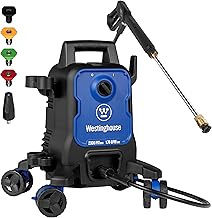
Westinghouse ePX3100
The most balanced pick here: 2,300 max PSI with 1.76 GPM gives you enough flow to sheet water off a hood without the harshness that dulls a finish. The anti-tipping base and steel wand feel like equipment rather than an appliance, and the onboard soap tank means one less accessory to lose.
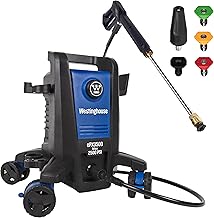
Westinghouse ePX3500
Same excellent flow rate, same five-nozzle set, with the pressure ceiling raised to 2,500 PSI — worth it if your weekend also involves fence panels, pavers, or a driveway that has gone gray. Use the wide tips on paint and save the aggressive nozzles for masonry.
Adjustable 5000PSI Electric Pressure Washer with Foam Cannon
The headline number is optimistic, but the practical draw is the adjustable output paired with a genuinely long 33-foot hose, which lets you circle a vehicle without dragging the unit behind you. Start at the lowest setting on bodywork and step up only for wheel arches.
Bright Green Power Washer with Foam Cannon
A tidy, no-drama corded unit with four quick-connect nozzles and a foam cannon that produces respectable cling for the price. It suits owners who want one predictable tool for cars plus occasional patio and outbuilding duty.
Cordless Pressure Washer with Two 21V 4.5Ah Batteries
Two batteries and a six-in-one nozzle turn this into a legitimately go-anywhere rinse setup — bucket-fed, no spigot, two power levels so you can throttle down for paint. Runtime is measured in panels rather than hours, which is exactly right for maintenance washes between deeper cleans.
Frequently Asked Questions
Will a pressure washer damage my paint?
Not if you respect distance and tip angle. Keep 12 inches or more between a 40-degree nozzle and the panel, never hold a narrow jet on one spot, and avoid blasting directly at trim edges or lifted clear coat.
Is a cordless model powerful enough for a whole car?
For a maintenance wash, yes. Around 1,300 PSI with foam pre-treatment handles ordinary road film well; heavy winter salt or caked mud is better served by a corded unit with higher flow.
Do I still need to hand wash?
A contact wash with a clean mitt remains the gold standard for bonded contamination. The washer’s job is to remove the loose grit first so your mitt never becomes sandpaper.
Does washing in direct sun matter?
It does. Hard overhead light dries soap into spots before you can rinse, and it also hides streaks by blowing out the highlights. Work in shade or in soft, even light, then inspect at a low angle where flaws actually show.
Final Thoughts
For most drivers, the Westinghouse ePX3100 is the right amount of machine — enough flow for a clean single-pass rinse, gentle enough to preserve the crisp highlights that make paint look deep. Step up to the ePX3500 if hardscaping shares the workload, and keep the 21V cordless handheld on the shelf for the quick between-wash rinses that stop grime from ever building up in the first place.