Key takeaways
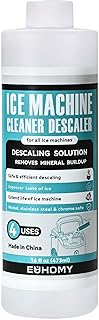
- Tablet vs. liquid: Tablets like the Ice Machine Cleaner Maker and Descaler (24 tablets) or the ACTIVE Ice Machine Cleaner tablets dissolve at a measured pace, eliminating guesswork. Liquids like EUHOMY Ice Machine Cleaner Descaler (16 oz) give you more control over concentration but require accurate measuring.
- Nickel safety: Machines with nickel-plated evaporator plates demand nickel-safe formulas. Both the Affresh Ice Machine Cleaner and the 36-pack Ice Machine Cleaner Descaler Tablets are explicitly formulated to be nickel safe, protecting internal components while dissolving scale.
- Volume and value: If you maintain multiple units or run a busy bar, the Nickel Safe 1-gallon solution — which meets Manitowoc specification GES-6 and carries USDA authorization — offers commercial-grade potency at a fraction of the per-use cost.
- Machine compatibility: Products like the ACTIVE tablets list broad compatibility with Frigidaire, Opal, GE Profile, and KitchenAid units, so check the label against your brand before purchasing.
What's inside
A crystal-clear ice maker does more than churn out perfect cubes — it sets the tone for the entire kitchen. As someone who designs lighting and ambience for living spaces, I can tell you that nothing undermines a carefully curated room quite like a neglected appliance producing cloudy, off-tasting ice. Mineral scale builds silently inside these machines, dulling performance and shortening lifespan, and most owners never realize there’s a problem until the ice starts smelling faintly metallic or the maker slows to a crawl.
This guide walks you through exactly how to clean and descale your ice maker using products that professionals trust, explains what causes buildup in the first place, and helps you choose the right cleaning solution for your specific machine. Whether you own a countertop nugget ice maker, a freestanding under-counter unit, or a full commercial-style model, the process is straightforward once you understand a few key principles.
As an Amazon Associate we earn from qualifying purchases.




🛒 Best Price Today on Amazon
Prime members get fast, free shipping on everything above, plus member-only deals. New members get a 30-day free trial — cancel anytime.
Why Mineral Buildup Is the Silent Killer of Ice Makers
Tap water carries dissolved calcium, magnesium, and — in some regions — nickel and iron. Every cycle, those minerals deposit in thin layers along evaporator plates, water lines, and reservoir walls. Over time, those deposits restrict water flow, force the compressor to work harder, and create a porous surface where bacteria and mold colonies thrive. The result? Ice that tastes like your faucet’s worst day and a machine that cycles longer and louder than it should. Regular descaling restores the factory-cold efficiency your maker was designed to deliver.
How Often Should You Descale?
Frequency depends on water hardness and usage. For a household running a countertop model daily, a thorough cleaning every three to six months hits the sweet spot. If your municipal water tests above 120 parts per million (moderately hard), tighten that window to every two to three months. Commercial or high-volume setups may need monthly attention. A quick sensory check: when ice looks less transparent than usual or develops a faint odor, scale has already accumulated enough to warrant immediate treatment.
Choosing the Right Cleaning Solution
Not all descalers are interchangeable, and using the wrong chemistry can damage seals, void warranties, or leave residues that taint your ice. Here’s what to weigh when selecting a product:
- Tablet vs. liquid: Tablets like the Ice Machine Cleaner Maker and Descaler (24 tablets) or the ACTIVE Ice Machine Cleaner tablets dissolve at a measured pace, eliminating guesswork. Liquids like EUHOMY Ice Machine Cleaner Descaler (16 oz) give you more control over concentration but require accurate measuring.
- Nickel safety: Machines with nickel-plated evaporator plates demand nickel-safe formulas. Both the Affresh Ice Machine Cleaner and the 36-pack Ice Machine Cleaner Descaler Tablets are explicitly formulated to be nickel safe, protecting internal components while dissolving scale.
- Volume and value: If you maintain multiple units or run a busy bar, the Nickel Safe 1-gallon solution — which meets Manitowoc specification GES-6 and carries USDA authorization — offers commercial-grade potency at a fraction of the per-use cost.
- Machine compatibility: Products like the ACTIVE tablets list broad compatibility with Frigidaire, Opal, GE Profile, and KitchenAid units, so check the label against your brand before purchasing.
Step-by-Step: Cleaning Your Ice Maker
Always start by powering down the unit, unplugging it, and emptying the ice bin and water reservoir completely. If your machine has a removable water filter, take it out and set it aside — filters are not descaled. Drop the recommended tablet or measured liquid into the reservoir, fill with clean water to the indicated line, and run two to three full cycles. Drain the solution thoroughly, then flush the system with two or three cycles of plain water to ensure no cleaning residue remains in the lines. Wipe down the interior surfaces with a soft, damp cloth, paying attention to the area around the evaporator and any gasket seams where buildup hides. Reinstall the filter if applicable, restore power, and let the machine produce its first fresh batch of ice.
What Happens If You Skip Maintenance
Ignoring descaling doesn’t just affect taste. Restricted water flow causes the compressor to run in extended cycles, generating excess heat that accelerates wear on mechanical components. Mineral deposits on evaporator surfaces reduce heat transfer, meaning the machine produces softer, irregularly shaped ice while consuming more electricity. Over twelve to eighteen months of neglect, you’re looking at potential compressor failure — a repair that can cost more than replacing the unit entirely.
Tips
- Label your calendar. Set a recurring reminder on your phone for the descaling interval your water hardness demands. Out of sight should never mean out of mind.
- Use distilled or filtered water for the cleaning cycle. It helps the descaler work against existing deposits rather than reacting with new minerals simultaneously.
- Never use bleach, vinegar at full strength, or abrasive cleaners. These corrode gaskets, pit metal surfaces, and leave flavors that multiple rinse cycles cannot fully remove.
- Photograph the interior before and after cleaning. Visual documentation helps you track buildup patterns and catch early signs of mold or unusual discoloration.
Frequently Asked Questions
Can I use regular household vinegar to descale my ice maker?
White vinegar dissolves light mineral deposits, but its acetic acid can degrade rubber gaskets and leave an odor that persists through several ice cycles. Purpose-built descalers like Affresh or the ACTIVE tablets are formulated at a safer pH that targets scale without attacking softer components. If you’re in a pinch between descaling sessions, a diluted vinegar rinse is better than nothing — but it shouldn’t replace proper treatment.
Do tablets work as well as liquid descalers?
Tablets and liquids are equally effective when used as directed. Tablets dissolve at a predictable rate, which makes them particularly convenient for countertop and nugget ice makers where precise dosage matters. Liquids can be preferable for larger commercial machines where you need to scale the concentration to a bigger reservoir. Both formats remove calcium and lime buildup effectively.
Is descaling safe for ice makers used in food service?
Yes — provided you use a food-grade solution. The Nickel Safe 1-gallon cleaner, for example, is USDA authorized and meets Manitowoc’s GES-6 specification, meaning it’s approved for contact in food-preparation environments. Always verify food-grade certification on the label before using any product in a commercial or food-service setting.
How do I know which parts of my ice maker need manual cleaning versus descaling?
Descaling targets internal water pathways — the reservoir, water lines, and evaporator — where minerals accumulate invisibly. Visible surfaces like the ice bin, exterior housing, and door gaskets need manual wiping with a mild soap-and-water solution. The two processes complement each other: descaling restores mechanical performance while surface cleaning maintains hygiene and appearance.
Conclusion
A well-maintained ice maker quietly supports the atmosphere of your space — producing clean, clear ice that elevates every drink and signals that the kitchen behind it is as thoughtfully cared for as the rest of the room. Choose the right descaler for your machine, set a schedule, and stick to it. The five minutes of effort every few months will pay for itself in better-tasting ice, lower energy bills, and years of dependable service.