Key takeaways
- Contour depth at the shoulder: Side sleeping needs the mattress to accept the shoulder while still holding the waist. Look for a comfort layer of at least three inches over the support core, and treat anything advertised as firm with skepticism unless it pairs that firmness with generous surface cushioning.
- Zoned support versus uniform coils: Zoned lumbar construction firms up under the midsection and softens at the shoulders and legs. For side sleepers this matters more than total coil count, because it keeps the spine level instead of letting the hips sink into a hammock.
- Heat behavior: Deep contouring means more of your body is surrounded by foam, which traps warmth. Gel infusions, copper, graphene-treated covers, and open coil layers all help, and a hybrid will almost always run cooler than an all-foam build of the same thickness.
- Motion isolation for shared beds: Pocketed coils move independently, so a partner shifting position does not telegraph across the surface. This is where hybrids quietly outperform traditional innerspring designs without giving up their airflow advantage.
- Trial length and certification: Side sleepers often need six to eight weeks to know whether a mattress is genuinely right. A 365-night trial, CertiPUR-US foam certification, and fiberglass-free construction are the three markers worth insisting on before anything else.
What's inside
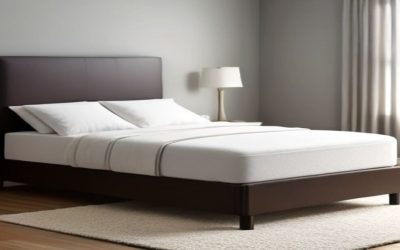
Anyone who has spent a career shaping how a room feels knows that the bed is the last fixture in the sequence. You dim the lamps, warm the color temperature, pull the blackout layers, and then the whole carefully staged calm collapses because a shoulder is being pressed into an unyielding slab. Side sleepers carry more of their body weight on two narrow contact points than any other sleeping position, and a mattress that cannot yield at the shoulder and hip will register as a low hum of discomfort no matter how beautifully the rest of the room is composed.
This guide treats mattress selection the way a lighting plan gets treated: as a question of gradients rather than absolutes. Below you will find the hybrid and foam builds that hold up best for side sleeping in 2026, a short framework for reading spec sheets without getting lost in marketing language, and honest notes on where each option sits along the soft-to-firm spectrum. The goal is a sleep surface that disappears the moment you settle into it.
As an Amazon Associate we earn from qualifying purchases.


How to Choose a Type Of Mattress For Side Sleepers (2026)
- Contour depth at the shoulder: Side sleeping needs the mattress to accept the shoulder while still holding the waist. Look for a comfort layer of at least three inches over the support core, and treat anything advertised as firm with skepticism unless it pairs that firmness with generous surface cushioning.
- Zoned support versus uniform coils: Zoned lumbar construction firms up under the midsection and softens at the shoulders and legs. For side sleepers this matters more than total coil count, because it keeps the spine level instead of letting the hips sink into a hammock.
- Heat behavior: Deep contouring means more of your body is surrounded by foam, which traps warmth. Gel infusions, copper, graphene-treated covers, and open coil layers all help, and a hybrid will almost always run cooler than an all-foam build of the same thickness.
- Motion isolation for shared beds: Pocketed coils move independently, so a partner shifting position does not telegraph across the surface. This is where hybrids quietly outperform traditional innerspring designs without giving up their airflow advantage.
- Trial length and certification: Side sleepers often need six to eight weeks to know whether a mattress is genuinely right. A 365-night trial, CertiPUR-US foam certification, and fiberglass-free construction are the three markers worth insisting on before anything else.
The Best Type Of Mattress For Side Sleepers (2026)s Reviewed
Medium Firm 14″ Hybrid Queen with Zoned Lumbar Support
This is the safest starting point for most side sleepers, pairing a medium-firm feel with zoned lumbar reinforcement so the hips stay supported while the shoulder still gets room to settle. The 365-night trial and ten-year warranty make it a low-risk choice if you are unsure where your firmness preference actually lands.
Sleepmax 14″ Queen Hybrid
Built for people who share a bed with a back sleeper, this one balances pressure relief against a slightly firmer overall response, and the cooling construction keeps the surface from turning humid overnight. CertiPUR-US certified and fiberglass-free, with the same generous year-long trial window.
Soft Plush 14″ Hybrid Queen
The most side-sleeper-specific pick here, combining pocketed springs with gel memory foam for a genuinely plush surface that lets the shoulder drop in rather than pushing back against it. Lighter sleepers and anyone with chronic shoulder tenderness should look at this first.
12″ Cooling Hybrid Full Mattress
A sensible option for guest rooms, smaller bedrooms, and single sleepers who do not need a queen footprint. The medium-firm gel foam and pocket coil combination handles motion isolation well, though at twelve inches the contouring is slightly shallower than the deeper builds above.
BedStory Firm 13″ Queen Hybrid
Firm by design, this suits side sleepers who carry more weight or who habitually rotate between side and back through the night and need the hips held higher. The zoned lumbar support and hotel-style construction give it a structured, supported feel rather than a sinking one.
Frequently Asked Questions
Should side sleepers choose soft or firm?
Medium to medium-soft suits most side sleepers, because the shoulder needs somewhere to go. Heavier sleepers often need a firmer core to prevent the hips from dropping too far, so body weight matters as much as position.
Are hybrids better than all-foam for side sleeping?
Usually, yes. Hybrids give you foam contouring at the surface with coil support and airflow underneath, which addresses the two most common side-sleeper complaints at once. All-foam options like the EGOHOME 14″ memory foam mattress remain excellent for motion isolation and quiet.
How thick should the mattress be?
Fourteen inches is a comfortable target for queens, giving enough comfort layer above the support core for real shoulder relief. Twelve inches works well in smaller sizes and for lighter sleepers.
How long does a new mattress take to feel right?
Give it thirty days minimum, and closer to sixty if you are switching firmness levels. Your body adapts gradually, which is precisely why the 365-night trials on these models are worth having.
Final Thoughts
For most side sleepers, the Medium Firm 14″ Hybrid with zoned lumbar support is the most broadly reliable choice, striking the balance between shoulder give and hip support that this position demands. If you want deeper cushioning, the Soft Plush 14″ Hybrid is the more forgiving option, while the BedStory Firm 13″ Hybrid serves heavier sleepers and combination sleepers who need a firmer foundation underneath the contour.