Key takeaways
- Steam temperature and pressure: Anything landing around 240°F or higher at the pad will soften greasy film rather than just wet it. Pressurized canister units go further, blasting grout channels that a flat pad can only skim across.
- Pad texture, not pad count: Soft microfiber polishes, but scrub-textured pads are what break up the dull matte layer that dulls a glazed tile’s highlight. Look for a grippy weave and buy spares, since a loaded pad just redistributes what it collected.
- Onboard lighting: LED headlights sound like a gimmick until you use one. A low, forward-thrown beam raises exactly the grazing angle that exposes streaks, so you catch missed patches during the pass instead of discovering them at dusk.
- Tank volume versus balance: An XL reservoir saves refills across an open-plan kitchen, but water sits high on most stick designs and makes the head feel heavy on the wrist. Match tank size to the square footage you actually clean in one go.
- Detachable handheld capability: Tile rarely stops at the floor. A removable steam unit lets you take the same heat to backsplash grout, shower thresholds, and baseboards, all of which sit inside the beam spread of your wall lighting.
What's inside
Spend enough years aiming light at floors and you learn an uncomfortable truth: tile tells on you. A grazing beam from an undercabinet strip or a low wall sconce hits the surface at a shallow angle and turns every haze layer, every dried mop swirl, every crumb of soap residue into a visible smear of veiling glare. The tile itself may be spotless in a structural sense, but the specular highlight it should be throwing back at eye level goes soft and milky instead. Homeowners then blame the fixtures, the bulb color, the dimmer. Nine times out of ten the fixture is fine and the floor is filmed.
Steam is the honest fix, because it lifts residue without adding a new coating of its own. This guide looks at steam mops through that lens: which machines actually restore the reflective character of glazed porcelain, ceramic, and slate, which ones dig grout lines clean enough to read as crisp shadow detail again, and which ones are simply pleasant to push around a kitchen at the end of a long day. Below you’ll find the current picks, the specs worth caring about, and answers to the questions that come up most often once people start paying attention to how their floors handle light.
As an Amazon Associate we earn from qualifying purchases.



🛒 Best Price Today on Amazon
Prime members get fast, free shipping on everything above, plus member-only deals. New members get a 30-day free trial — cancel anytime.
How to Choose a Steam Mop For Tile (2026)
- Steam temperature and pressure: Anything landing around 240°F or higher at the pad will soften greasy film rather than just wet it. Pressurized canister units go further, blasting grout channels that a flat pad can only skim across.
- Pad texture, not pad count: Soft microfiber polishes, but scrub-textured pads are what break up the dull matte layer that dulls a glazed tile’s highlight. Look for a grippy weave and buy spares, since a loaded pad just redistributes what it collected.
- Onboard lighting: LED headlights sound like a gimmick until you use one. A low, forward-thrown beam raises exactly the grazing angle that exposes streaks, so you catch missed patches during the pass instead of discovering them at dusk.
- Tank volume versus balance: An XL reservoir saves refills across an open-plan kitchen, but water sits high on most stick designs and makes the head feel heavy on the wrist. Match tank size to the square footage you actually clean in one go.
- Detachable handheld capability: Tile rarely stops at the floor. A removable steam unit lets you take the same heat to backsplash grout, shower thresholds, and baseboards, all of which sit inside the beam spread of your wall lighting.
The Best Steam Mop For Tile (2026)s Reviewed
McCulloch MC1385 Canister Steam Cleaner
This is the tool for grout that has gone several shades darker than the tile around it, since real canister pressure and a nylon brush do work no flat pad can replicate. The 23-accessory kit and long hose make it equally useful on shower surrounds and upholstery, though the trade-off is a bulkier setup you wheel behind you rather than glide.
Shark Steam & Scrub S8001
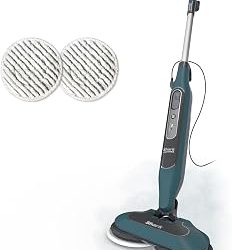
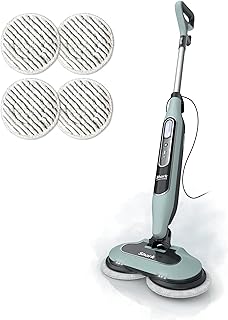
The self-cleaning rotating pads and Dirt Grip texture make this the most convincing all-in-one for large tile runs, lifting film instead of pushing it into grout lines. Its LED headlights genuinely change how well you see your own work, and the XL tank means fewer trips to the sink mid-job.
BISSELL PowerFresh 1940A
A dependable workhorse with a 12-inch path and variable steam control, so you can dial heat down for sealed stone and up for a greasy kitchen floor. The flip-down scrubber handles set-in spots without swapping tools, which keeps momentum going across a big room.
PurSteam 10-in-1 Steam Mop
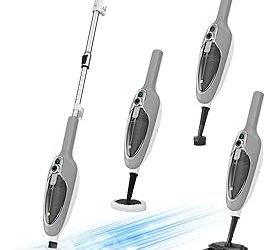
Strong value for anyone who wants floor and detail work from one purchase, with a handheld section that reaches backsplash grout and window tracks. It is lighter than the Shark and slightly less aggressive on stubborn film, but the washable Dirt Grip pads perform well above their price.
10-in-1 Steam Mop with 10-Second Heat-Up
Fast heating to 248°F and a 350ml tank make this the pick for quick, frequent passes rather than marathon deep cleans. Two steam levels and a genuinely nimble swivel head suit compact kitchens, entryways, and tiled bathrooms where storage space is tight.
Frequently Asked Questions
Will steam damage my tile or grout?
Sealed glazed tile handles steam well. Unsealed natural stone and aging grout are the risk cases, since repeated high heat can accelerate wear, so use a lower steam setting and keep the head moving.
Why does my tile still look hazy after mopping?
Usually residue from previous detergent cleaners, which steam removes gradually over several passes. Rinse or replace pads frequently, otherwise you are spreading the same film back across the floor.
Do I need distilled water?
In hard-water areas, yes. Mineral scale builds inside the boiler and eventually weakens output, and it can leave faint spotting that shows up under raking light.
How often should tile be steamed?
Weekly for kitchens and entryways, every two to three weeks elsewhere. Frequent light passes keep film from establishing, which is far easier than stripping it later.
Final Thoughts
For most homes, the Shark Steam & Scrub S8001 is the balanced choice, pairing scrub pads with headlights that let you see the film you are removing. Choose the McCulloch MC1385 if discolored grout is the real problem, and the BISSELL PowerFresh 1940A if you want proven, no-fuss performance with steam you can dial to the surface.