A garage band does not need a touring rig, but it does face a real decision: how to light three to five players in a room with low ceilings, one or two wall outlets, and gear that has to pack away before the car comes back in. The wrong kit means tangled cables across the drum rug, lights aimed at foreheads, and a singer in shadow while the amps glow. Output, beam spread, and behavior on a standard household circuit matter more here than raw fixture count.
This roundup is for rehearsal bands, backyard party bands, and groups playing their first small gigs in halls and breweries. Every pick runs on ordinary mains power or a built-in battery, sets up in minutes, and can be run without a dedicated lighting operator. Products were chosen from the names and specifications on their Amazon pages, then matched to the jobs a small band actually needs covered: a front wash, color behind the drums, and a little movement for choruses.
Quick Picks
As an Amazon Associate we earn from qualifying purchases.
Product
Best for
Key spec from title
CHAUVET DJ GigBAR 2
One-trip bands that want wash and effects from a single bar
4-in-1 system with derby, wash, laser and strobe on one bar
U`King 36 LED Par Lights 4 Pack
First color wash on a tight gear budget
36 LEDs per can with remote and DMX control
BETOPPER 54 LED Par Lights 4 Pack
Bright white front light so faces read on phone video
54 LEDs with 5000 lumens of white wash output
U`King Battery Powered Par Lights 8 Pack
Backyards and rooms where outlets sit in the wrong places
Rechargeable battery power with 18 x 2W RGB LEDs per light
ADJ Mega Hex Par
Building a small rig one quality fixture at a time
5 x 6W 6-in-1 RGBWA+UV LEDs in a sit-flat housing
How to Choose
Start With the Front Wash, Not the Effects
Faces are what an audience reads, and a garage gives you very little throw distance to work with. Two lights placed high at the front corners of your playing area, angled down at roughly forty-five degrees, will do more for the band than six effect lights behind the drums. Look for fixtures with a beam angle in the twenty to forty degree range, since a narrow beam in a short room creates hot spots on one player and leaves the bassist in the dark. Colored light alone also flattens faces on video, so plan on at least one white or warm-capable source pointing at the singers.
Count Your Circuits and Cable Runs
A typical garage outlet circuit also feeds the freezer, the charger, and half the house, so total draw matters. LED fixtures sip power compared with old halogen cans, but a bar system, four pars, and a PA can still add up on one breaker. Power linking, where one fixture feeds the next through an IEC output, cuts the number of extension cords snaking across the floor. Battery fixtures remove the run entirely for backline color, which is why many small bands mix one corded front wash with wireless uplights behind the kit instead of wiring everything.
Pick a Control Style You Will Actually Use Mid-Set
Nobody in a four-piece garage band has free hands during a song, so control has to be simple. Sound-activated modes follow the music on their own and suit rehearsals and parties. A wireless footswitch lets the singer black out the rig between songs or trigger a chase during a solo. Full DMX control gives repeatable scenes for bands that play out often, but it adds a controller and addressing homework. Decide honestly: a remote you understand beats a DMX desk that stays in its box because setup takes longer than the soundcheck.
Match the Fixture Shape to a Low Ceiling
Garage ceilings, openers, and stored bikes steal headroom, so fixture shape decides where light can live. Flat pars that sit directly on the floor wash a back wall or a drum kit without any stand at all, and side-mounted power sockets keep them stable. Bar systems put every head on one tripod, which is fast but concentrates light in one spot. In a two-car garage, a common layout is one bar or two pars at the front, floor pars behind the band for color, and nothing hanging low enough for a guitar headstock to find.
The 5 Best Options
CHAUVET DJ GigBAR 2
Top Pick
CHAUVET DJ GigBAR 2
Best for: Bands playing parties and small halls that want one stand, one cable run, and a full-looking show.
Model: GIGBAR2
System type: 4-in-1 bar with two LED derby fixtures, LED wash lights, laser, and four LED strobes
UV included in the wash lights and strobes
Control: display, IRC-6 remote, wireless footswitch, or DMX over 3-pin XLR
The GigBAR 2 is the one-trip answer for a band that wants to look lit without learning lighting. One bar carries two derby effects, a pair of wash pars, a red and green laser, and four strobes, so a single tripod in front of the band covers wash and movement at the same time. Built-in automated and sound-activated programs run the whole show with no operator, and the wireless footswitch lets whoever is nearest stomp to a blackout or a chase between songs. It also links in master and slave mode if the band later adds a second bar.
U`King 36 LED Par Lights 4 Pack
Runner-Up
U`King 36 LED Par Lights 4 Pack
Best for: A band buying its first wash that can start on remotes and grow into DMX later.
This four-pack of small par cans is the straightforward way to give a garage band its first real color wash. Each can holds thirty-six LEDs and runs from the included remotes, so two cans on the floor in front of the band and two behind the drums already look like a deliberate rig. DMX input is there when the band outgrows the remotes, and sound-activated mode keeps the colors moving during rehearsal without anyone touching a control. The aluminum housing suits gear that rides in a shared equipment bin between practice nights.
BETOPPER 54 LED Par Lights 4 Pack
BETOPPER 54 LED Par Lights 4 Pack
Best for: Bands whose gig footage looks murky and who need a dedicated white front wash.
Most budget pars mix color, but faces on phone video need honest white light, and that is the job this Betopper four-pack does. Each fixture runs fifty-four LEDs in white and off-white tones with a stated output of 5000 lumens, so a pair aimed from the front corners gives singers and guitarists readable, even light while your colored pars handle the back wall. DMX512 control lets a band fold them into programmed scenes later, and the twenty-five degree beam suits the short throw between a garage door and a drum kit.
U`King Battery Powered Par Lights 8 Pack
U`King Battery Powered Par Lights 8 Pack
Best for: Backyard shows, garage corners with no spare outlets, and fast load-ins where cables slow everything down.
Model: zq01525
Pack size: 8 par lights
Light source: 18 x 2W RGB LEDs per light, 36 W
Power source: battery powered, rechargeable, batteries included
Garages and backyards rarely have outlets where the backline sits, and this eight-pack of rechargeable pars removes the cable problem entirely. Each light runs eighteen 2-watt RGB LEDs from a built-in battery, so the band can ring the drum kit, line the back wall, or dot a patio stage in minutes and strike just as fast. Wireless control covers DMX512 and sound activation, which keeps the colors following the music without a cable run to a desk. Eight units also means spares: charge the full set and rotate any light that runs low during a long party set.
ADJ Mega Hex Par
ADJ Mega Hex Par
Best for: A band upgrading one fixture at a time and wanting richer color, including UV, from a compact par.
Light source: 5 x 6W 6-in-1 RGBWA+UV LEDs
Design: sit-flat housing with side-mounted power and DMX ins and outs
A band upgrading one fixture at a time and wanting richer color, including UV, from a compact par.
Watch out for
It is sold as a single fixture, and ADJ lists the model as discontinued on its own site, so confirm the seller and available stock before planning a multi-unit rig around it.
The Mega Hex Par is the step-up single fixture for a band building its rig piece by piece. Its five 6-watt hex LEDs mix red, green, blue, white, amber, and UV, which reaches shades like hot pink and lime that basic RGB cans cannot produce, and the amber channel warms skin tones at the front of the stage. ADJ’s sit-flat design puts the power and DMX sockets on the side, so the fixture sits flat on a garage floor as an uplight or hangs from its scissor yoke. Five DMX channel modes give a growing rig real programming depth.
Which One Fits Your Situation
You Rehearse Weekly and Play the Odd Party
Keep it simple and fast. The GigBAR 2 on its tripod in front of the band gives wash, movement, and strobes from one stand, and the footswitch handles changes between songs. Setup stays under ten minutes, which matters when practice time is limited and the garage has to turn back into a garage the same night.
Your Gig Videos Look Dark and Grainy
The problem is almost always front light, not a lack of color. Add the Betopper white four-pack at the front corners and keep your existing colored lights behind the band. Faces gain the brightness phone cameras need, while the back wash still supplies the mood that makes a plain garage read as a stage.
Your Playing Space Has No Spare Outlets
Go battery for everything behind the front line. The U`King rechargeable eight-pack rings the drums and back wall without a single cable run, and the lights move to a backyard or hall without rethinking the layout. Keep one corded fixture near the PA for front light if an outlet is free there.
You Are Building Toward Regular Small Gigs
Start with fixtures that speak DMX properly. A pair of Mega Hex Pars gives wide color and flat-floor placement now, and the U`King 36 LED four-pack adds coverage that can join the same control chain later. This path takes more setup time per show but grows into repeatable scenes instead of preset roulette.
Common Mistakes
Putting every light behind the band, which silhouettes the players and leaves faces too dark for the audience and for video.
Aiming pars straight at eye level in a low garage, blinding the singer and the first row instead of angling down from above.
Running the whole rig, the PA, and a space heater from one garage circuit and tripping the breaker mid-song.
Buying DMX fixtures without budgeting for DMX cables, then falling back on mismatched remotes that cannot sync the set.
Leaving battery uplights uncharged until load-in day, then discovering half the backline color is gone by the second set.
Frequently Asked Questions
How many stage lights does a garage band actually need?
Four well-placed fixtures cover most garages: two for the front wash and two for color behind the band. An all-in-one bar counts as its own front setup because its heads spread across the group. Add more only when a specific dark spot appears, since extra lights in a small room mostly add cable clutter and glare rather than useful coverage.
Can these lights run from a normal garage outlet?
Yes, and that is a core reason LED fixtures suit garage bands. The picks here draw modest wattage, and several support power linking so one outlet feeds a chain. Keep the total load sensible by leaving heaters and large appliances off the same circuit, and use a properly rated extension lead rather than a chain of household strips.
Do we need a DMX controller for a small band?
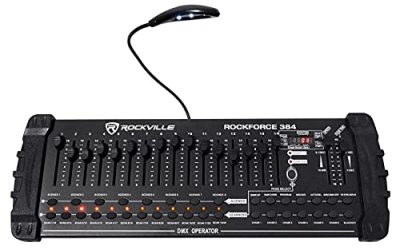
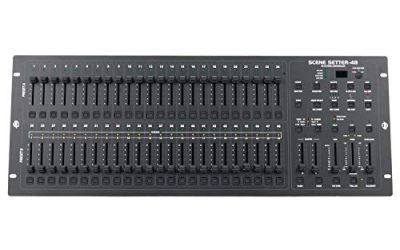
Not at first. Sound-activated programs, remotes, and footswitches cover rehearsals and parties without extra gear or setup time. A small DMX controller earns its place when the band plays out regularly and wants the same look at every show, with scenes for verses, choruses, and blackouts stored in advance instead of improvised.
Are battery stage lights bright enough for a full set?
For backline color and uplighting, yes, provided they start fully charged and run at moderate brightness. Battery pars dim faster at full output, so treat them as color and atmosphere rather than the main front wash. Bands that play long nights often pair battery uplights at the back with one corded fixture washing the singers from the front.
H
Home Beautiful Design Editorial Team
We compare specs, materials and verified owner reviews before a product earns a spot. Rankings are never paid.
Affiliate disclosure. As an Amazon Associate we earn from qualifying purchases at no extra cost to you. Prices accurate as of the date shown.
Five desk lamps for miniature painting compared on CRI, daylight temperature and lux, from wide clamp bars for batches to 95+ CRI picks for display work.
Compare five LEGO lighting kits for the Titanic, Hogwarts Castle, Eiffel Tower, Millennium Falcon and Bonsai Tree, with parts, power and install notes.
Five DMX controllers for lighting compared: 384-channel boards with scene banks, chases and MIDI, a hybrid dimmer console and a compact LED color board.
Compact stage lights for small bars, cafés and community stages: low-profile pars, an RGBA wash par and battery uplights with DMX, sized for low ceilings.
Compare the best LED floor lamps for plants, from vertical bars to multi-head tripod grow lights, with full spectrum output, timers and adjustable heights.
Compare the best recessed step lights for stairs, hallways and porches, from 120V gang-box fixtures to low-voltage deck kits, with specs and buying tips.


 U`King Battery Powered Par Lights 8 Pack
 ADJ Mega Hex Par