Key takeaways
- Measure the platform, not the old mattress: RV sizes are their own dialect — short full is typically 48×74 or 48×75, short queen is 60×75. Tape the frame corner to corner and check for wheel wells or angled corners before committing.
- Budget your headroom: A 12-inch build feels luxurious until it blocks your window shade or crowds an overhead reading light. In bunks and low-clearance nooks, 6 to 8 inches is the honest ceiling.
- Prioritize heat management: RV bedrooms sit above storage bays with poor airflow and often no ducting. Gel-infused foam, open-cell structures, and pocketed coils all move heat far better than solid dense foam.
- Check the certifications: Look for CertiPUR-US and OEKO-TEX marks, plus explicit fiberglass-free claims. In a sealed 200-square-foot cabin, off-gassing and fiber shedding are not abstract concerns.
- Match firmness to your sleep position: Side sleepers want plush-to-medium so the shoulder sinks; back and stomach sleepers, and anyone in a bunk with no box spring, are better served by medium-firm with a supportive core.
What's inside
I design lighting and ambience for a living, mostly in small spaces — cabins, studios, and a surprising number of RVs and vans. The pattern I run into constantly: someone spends real money on warm 2700K puck lights, a dimmable reading sconce, and blackout shades, then climbs into the original factory mattress and wakes up at 3 a.m. anyway. That slab is usually two or three inches of low-density foam over plywood, cut to a non-standard size, and it undoes every other decision made in the room. Ambience is not just what you see; it is thermal comfort, pressure relief, and whether your body actually powers down when the lights fade.
This guide treats the mattress as the anchor of your sleep environment rather than an afterthought. Below are six replacement options sized for RV bunks, short fulls, and short queens, chosen for cooling behavior, edge stability in tight walkways, certified materials, and how well they compress for delivery through a narrow camper door. I have flagged which ones suit hot sleepers, which suit bunks and truck sleepers, and what to measure before you order.
As an Amazon Associate we earn from qualifying purchases.




How to Choose a Replacement Mattress For Rv (2026)
- Measure the platform, not the old mattress: RV sizes are their own dialect — short full is typically 48×74 or 48×75, short queen is 60×75. Tape the frame corner to corner and check for wheel wells or angled corners before committing.
- Budget your headroom: A 12-inch build feels luxurious until it blocks your window shade or crowds an overhead reading light. In bunks and low-clearance nooks, 6 to 8 inches is the honest ceiling.
- Prioritize heat management: RV bedrooms sit above storage bays with poor airflow and often no ducting. Gel-infused foam, open-cell structures, and pocketed coils all move heat far better than solid dense foam.
- Check the certifications: Look for CertiPUR-US and OEKO-TEX marks, plus explicit fiberglass-free claims. In a sealed 200-square-foot cabin, off-gassing and fiber shedding are not abstract concerns.
- Match firmness to your sleep position: Side sleepers want plush-to-medium so the shoulder sinks; back and stomach sleepers, and anyone in a bunk with no box spring, are better served by medium-firm with a supportive core.
The Best Replacement Mattress For Rv (2026)s Reviewed
WanderRest 12″ Cool Hybrid, Short Full 48×74
This is the closest thing to a residential bed you can get in a short full, pairing pocketed coils with gel memory foam for a plush-medium feel that still holds its edges when you sit down to lace boots. Confirm you have the vertical clearance first, because 12 inches changes how your window treatments and bedside lighting line up.
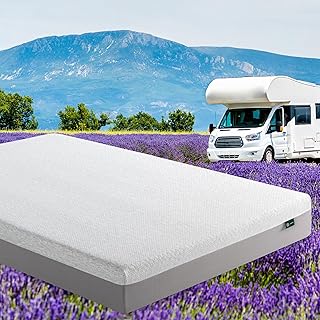
Zinus 8 Inch Short Queen Ultima
A reliable, level-headed pick: medium-firm, fiberglass-free, CertiPUR-US and OEKO-TEX certified, with breathable airflow foam that keeps the surface from turning into a heat sink. It arrives compressed in a box, which matters enormously when your only entry is a 26-inch door and two steps.
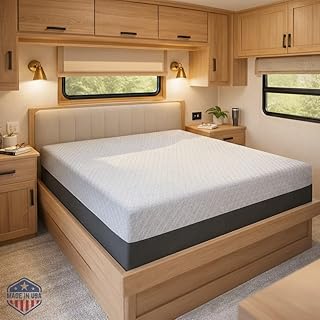
Celestial Sleep 10 Inch RV Short Queen
Made in the USA with cooling memory foam and a triple stack of certifications, this one lands in the medium sweet spot most couples can agree on. It is my usual recommendation when one partner runs hot and the other wants contouring rather than bounce.
WanderRest Cool Hybrid 10″ Short Full 48×74
The same coil-and-gel architecture as the 12-inch version in a lower profile with a firmer medium feel — ideal for slide-out bedrooms where two extra inches would crowd an overhead cabinet. Responsive enough that you are not fighting the foam when you shift position at night.
Greaton 8-Inch High Density Foam with Vinyl Cover
At 75×36 with a waterproof nylon vinyl cover, this is purpose-built for bunks, truck sleepers, and any berth that sees damp gear or younger passengers. Medium-firm high-density foam gives genuine pressure relief on a bare plywood platform, and the cover wipes clean in seconds.
Frequently Asked Questions
Is a short full RV mattress the same as a standard full?
No. A short full is typically 48×74 or 48×75 inches, roughly five to six inches shorter than a residential full. Standard bedding will fit loosely, so buy RV-specific sheets or expect to tuck.
Will a 6-inch mattress feel too thin?
For a bunk or occasional guest berth, a well-built 6-inch memory foam mattress like the CertiPUR-US certified short full option is perfectly comfortable. For nightly primary sleeping, step up to 8 inches or more.
How do I stop moisture building up underneath?
Condensation forms where a mattress meets a cold, non-ventilated platform. Add a slatted base or a mesh underlay, lift the mattress periodically when parked, and choose a waterproof-covered model in humid climates.
How long until the off-gassing smell clears?
Most compressed foam mattresses need 24 to 72 hours with vents and a fan running. Certified fiberglass-free, CertiPUR-US foams tend to clear fastest, which is why they belong in a space this small.
Final Thoughts
If you have the headroom, the WanderRest 12″ Cool Hybrid delivers the most convincing home-bed experience in a short full, with the 10″ WanderRest as the smarter choice under low cabinetry. For short queens, the Celestial Sleep 10 Inch is my default recommendation for its cooling foam and clean material certifications, while the Greaton 8-Inch remains the sensible answer for bunks that need a wipeable, waterproof surface. Get the mattress right, and the lighting you already love finally has something to work with.