Key takeaways
- Power path first: Decide where the electricity comes from before you shop BTUs. Shore hookups tolerate a 14,000 BTU unit; boondocking on a battery bank means looking at 48V DC or 12–24V vehicle input, and reading the kWh-per-hour figure the way you would read fuel economy.
- Match output to cabin volume, not floor plan: Campers have low ceilings and thin walls, so a 5,000 BTU unit often outperforms expectations in a 60 sq ft sleeping area while a 10,000 BTU SACC machine suits a large trailer with a slide-out.
- Treat noise as a design material: Anything above roughly 55 dB becomes the dominant texture of the room. Look for published decibel figures near 42 dB, inverter compressors, and a genuine sleep mode that steps the fan down rather than just dimming the panel.
- Audit the light it emits: Digital displays and status LEDs sit at eye level when you are lying down. Prioritize units with a display-off function or amber readouts, and if a model has decorative LED lighting, confirm you can shut it off independently.
- Plan the venting and drainage line: Exhaust needs a window, sill bracket, or tent port, and condensate needs somewhere to go. Drainage-free self-evaporating designs and over-the-sill mounts keep floors clear, which keeps sightlines and traffic paths clean.
What's inside
Anyone who has spent a July night in a camper knows the room turns against you after sundown. The shell soaks up sun all afternoon and then releases it slowly, long after the sky has gone violet, so the space that felt like a retreat at 4 p.m. reads as a hot box by 11. The instinctive fix is to bolt in the loudest, coldest machine available, and that is where the atmosphere quietly dies: a compressor drone that flattens every other sound, a bank of cold blue indicator LEDs washing the ceiling, a duct hose stretched across the doorway where you wanted a soft threshold of light.
I design lighting and ambience for small interiors, and a camper is the most demanding small interior there is. Cooling gear is part of that composition whether you plan for it or not. This guide looks at portable air conditioners for campers through that lens: how loud they sit in a quiet cabin, how much glow they throw at 2 a.m., where the hoses and vents land, and what power source they need before any of the comfort math matters. Specs are covered too, but always in service of a space you actually want to sit in.
As an Amazon Associate we earn from qualifying purchases.


How to Choose a Portable Air Conditioner For Camper (2026)
- Power path first: Decide where the electricity comes from before you shop BTUs. Shore hookups tolerate a 14,000 BTU unit; boondocking on a battery bank means looking at 48V DC or 12–24V vehicle input, and reading the kWh-per-hour figure the way you would read fuel economy.
- Match output to cabin volume, not floor plan: Campers have low ceilings and thin walls, so a 5,000 BTU unit often outperforms expectations in a 60 sq ft sleeping area while a 10,000 BTU SACC machine suits a large trailer with a slide-out.
- Treat noise as a design material: Anything above roughly 55 dB becomes the dominant texture of the room. Look for published decibel figures near 42 dB, inverter compressors, and a genuine sleep mode that steps the fan down rather than just dimming the panel.
- Audit the light it emits: Digital displays and status LEDs sit at eye level when you are lying down. Prioritize units with a display-off function or amber readouts, and if a model has decorative LED lighting, confirm you can shut it off independently.
- Plan the venting and drainage line: Exhaust needs a window, sill bracket, or tent port, and condensate needs somewhere to go. Drainage-free self-evaporating designs and over-the-sill mounts keep floors clear, which keeps sightlines and traffic paths clean.
The Best Portable Air Conditioner For Camper (2026)s Reviewed
Cybertake S2 Pro Camping Air Conditioner
The three-way power setup, 48V DC, 12–24V vehicle, and standard wall, makes this the most adaptable option here, and eight hours on a single kWh is realistic for a well-shaded tent or small camper. Heating at 6,100 BTU extends it into shoulder-season trips, where a warm cabin and a single low lamp is the whole ambience budget.
ZAFRO Smart Inverter 14,000 BTU
At 42 dB, the inverter compressor stays below the sound of rain on a roof, which is exactly what you want in a quiet campsite. The dual-hose layout cools a large trailer efficiently, and app control means you never wake the cabin with a lit panel just to change the setpoint.
5,000 BTU Camping Portable AC
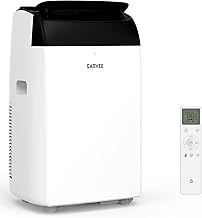
A straightforward 110V unit sized for a tent, sleeping nook, or compact camper, with remote control so you can adjust it without sitting up. Best paired with a shore hookup or a stout inverter generator, since it makes no pretense of running off a modest battery.
Ivation 6,500 BTU Camper Air Conditioner
The over-the-window-sill mount is the cleanest solution to the hose problem, freeing floor space and leaving your interior lighting scheme uninterrupted. Dehumidifier and fan modes, a timer, and sleep mode make it flexible across humid coastal nights and dry high-desert mornings.
Serantzon 4-in-1 Evaporative Air Cooler
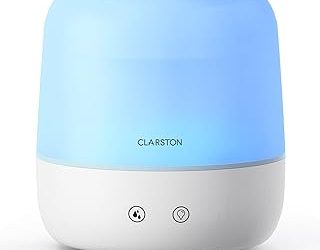
Not a true air conditioner, but a genuinely useful personal cooler for dry climates, and the seven LED colors give you a soft ambient wash at the bunk. Think of it as mood lighting that moves air, ideal as a supplement rather than your primary cooling.
Frequently Asked Questions
Can I run a portable air conditioner on battery power?
Only if the unit is designed for DC input. A 48V DC model drawing roughly 1kWh over eight hours is feasible on a solid lithium bank; a standard 110V compressor unit will drain most portable stations in under two hours.
How do I vent one inside a camper?
Use a window kit, a sill-mounted design, or a purpose-built tent port. Never let the exhaust hose discharge into the cabin, since that pushes hot air back into the space and defeats the compressor entirely.
Are evaporative coolers worth it for camping?
In arid conditions, yes, they lower perceived temperature with very little power draw. In humid air they mostly add moisture, so pair them with a compressor unit or skip them.
Will the unit’s lights keep me awake?
They can. Check for a display-off or dimming option, and keep any decorative LEDs on warm tones below 2700K if you want them running overnight.
Final Thoughts
For off-grid flexibility and genuinely low consumption, the Cybertake S2 Pro is the pick, while the ZAFRO Smart Inverter is the quiet, high-capacity choice for larger campers on hookups. If your priority is a clear floor and an uncluttered interior, the Ivation over-the-sill unit solves that better than anything else on this list.