Key takeaways
- Heat pathways: Gel, copper, graphene, and green tea infusions all move warmth, but airflow matters more. Pocket-spring hybrids breathe through their coil layer; all-foam builds rely on the cover and gel beads, so favor them in cooler rooms or with lighter bedding.
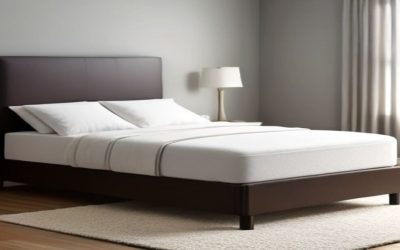
- Profile versus your side table: A 14-inch mattress plus a platform frame can push the sleeping surface above your nightstand lamp shade, throwing glare straight at eye level. Measure before you commit — 10 and 12-inch builds are safer with existing bedside lighting.
- Zoned support: If you wake with a sore hip or shoulder, look for individually pocketed springs in zones rather than a uniform coil field. Zoning lets the lumbar region stay firm while shoulders sink.
- Motion isolation: Essential when one person reads under a sconce while the other sleeps. Memory foam and pocketed coils both dampen movement; interconnected innersprings do not.
- Trial length and paperwork: Foam needs three to four weeks to normalize. A 100-night minimum is table stakes; 365-night trials are now common. Confirm fiberglass-free construction and CertiPUR-US certification in writing.
What's inside
Spend enough years aiming lamps and tuning dimmers in bedrooms and you notice something furniture catalogs rarely mention: the bed is the largest light-receiving surface in the room. Every warm 2200K bulb, every sconce washing a headboard, every sliver of morning sun lands on that mattress and its cover. So when a mattress sleeps hot, or the topper collapses into a shiny trough after eight months, the whole atmosphere you built starts working against you. Buyers feel this as “the room just isn’t restful anymore” and blame the paint.
This guide approaches mattresses in a box the way I approach a lighting plan — as one layer in a room designed to wind a body down. Below are the compressed-and-shipped models worth considering in 2026, judged on heat behavior, edge and pressure support, motion isolation for shared rooms, and how their surfaces read under low, warm light. All are queen size, all are fiberglass-free, and all are CertiPUR-US certified foam.
As an Amazon Associate we earn from qualifying purchases.


How to Choose an Online Mattress In A Box (2026)
- Heat pathways: Gel, copper, graphene, and green tea infusions all move warmth, but airflow matters more. Pocket-spring hybrids breathe through their coil layer; all-foam builds rely on the cover and gel beads, so favor them in cooler rooms or with lighter bedding.
- Profile versus your side table: A 14-inch mattress plus a platform frame can push the sleeping surface above your nightstand lamp shade, throwing glare straight at eye level. Measure before you commit — 10 and 12-inch builds are safer with existing bedside lighting.
- Zoned support: If you wake with a sore hip or shoulder, look for individually pocketed springs in zones rather than a uniform coil field. Zoning lets the lumbar region stay firm while shoulders sink.
- Motion isolation: Essential when one person reads under a sconce while the other sleeps. Memory foam and pocketed coils both dampen movement; interconnected innersprings do not.
- Trial length and paperwork: Foam needs three to four weeks to normalize. A 100-night minimum is table stakes; 365-night trials are now common. Confirm fiberglass-free construction and CertiPUR-US certification in writing.
The Best Online Mattresses In A Box (2026), Reviewed
EGOHOME 10-Inch Green Tea Gel Memory Foam
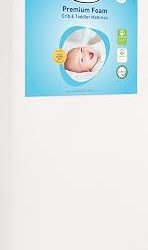
A lean, honest all-foam build with medium-firm response and green tea gel worked into the comfort layer. It suits guest rooms and low-slung platform frames where you want the bed to stay visually quiet and let the room’s lighting do the talking.
EGOHOME 14-Inch Copper Gel Memory Foam
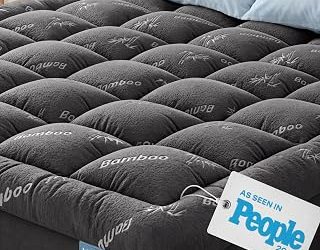
The copper-gel core and graphene cover give this one genuine thermal ambition, and the extra height delivers the deep contouring back sleepers ask for. Check your bedside lamp height first — at 14 inches the surface sits high.
Novilla 12-Inch Gel Memory Foam
Novilla’s middle-height gel foam is the reliable default: balanced pressure relief, minimal motion transfer, and a cover that stays matte rather than developing a sheen under directional light. Strong value for a primary bedroom on a budget.
14-Inch Luxury Hotel Cooling Hybrid
Zoned pocket springs handle hip, shoulder, and lumbar loading independently, which is why this reads closest to a well-specified hotel bed. The 365-night trial takes the pressure off a decision you cannot make from a showroom photo.
12-Inch Hybrid Pocket Spring
A tidy compromise — coil airflow underneath, cooling foam on top, in a profile that plays nicely with standard frames and nightstands. Medium-firm feel with good edge stability for anyone who sits on the mattress edge to dress.
Frequently Asked Questions
How long until the mattress fully expands?
Most reach usable shape within a few hours and full loft in 24 to 72 hours. Unbox in a warm room; cold slows foam recovery noticeably.
Do cooling mattresses actually work?
They redistribute heat rather than refrigerate. Expect a real but modest improvement, and pair it with breathable bedding and dimmed warm light in the hour before bed for the bigger effect.
Foam or hybrid?
Foam for motion isolation and contouring on a tight budget. Hybrid for airflow, edge support, and a more responsive surface that is easier to move across.
Will a box mattress work on a slatted frame?
Yes, provided slats sit no more than three inches apart. Wider gaps cause sagging and can void the warranty.
Final Thoughts
For most bedrooms, the 14-Inch Luxury Hotel Cooling Hybrid earns the spend through zoned support and a year-long trial. If you sleep warm and want deep contouring, the EGOHOME 14-Inch Copper Gel is the stronger choice, while the Novilla 12-Inch remains the sensible pick when budget and versatility matter most.