Key takeaways
- Sheen over color: Matte and low-sheen laminates diffuse light instead of bouncing it. If you plan to change diapers on top, avoid anything lacquered or high-gloss — a single table lamp turns that surface into a mirror aimed at your face.
- Undertone matching: Hold your paint swatch and a warm 2700K bulb next to the finish before committing. Cool-white dressers under warm bulbs go slightly gray; warm oats and driftwoods under 4000K bulbs go yellow. Pick the pair, not the piece.
- Top-surface budget: A lamp base, a nightlight, a monitor, and a changing pad need roughly 48 inches of width to coexist. Double dressers give you a real staging surface; tall six-drawer chests force you to choose between a lamp and a wipes caddy.
- Hardware reflectivity: Gold and polished metal pulls read beautifully in photos and glint hard under downlights. Recessed or matte hardware keeps the visual field calm, which matters during sleep associations.
- Safety and stability: Look for GREENGUARD Gold certification for low chemical emissions, an interlocking drawer system that prevents more than one drawer opening at once, and an included anti-tip kit. Anchor it to a stud, always, before the first item goes in.
What's inside
Most nursery dressers get chosen in daylight, on a screen, at noon. Then the room goes live at 2 a.m. — one warm lamp, a sound machine glowing green, a parent who hasn’t slept in six hours — and the flaws show up fast. A high-gloss top throws a hotspot straight into your eyes while you’re buttoning a sleeper. A “white” finish reads faintly blue under cheap LEDs and fights the cream walls you spent a weekend picking. Brass pulls catch the overhead and sparkle right where a baby’s sightline lands during a wind-down routine. None of that shows up in a spec sheet.
This guide looks at nursery dressers the way a lighting designer would: how each finish behaves under warm, low-output light, how much usable surface you get for a lamp and a nightlight without crowding a changing pad, how hardware reflects, and whether the drawer system holds up to real toddler traffic. Safety, certifications, and assembly still matter, and they’re covered — but the ranking below is shaped by how these pieces actually live in a dim room.
As an Amazon Associate we earn from qualifying purchases.


🛒 Best Price Today on Amazon
Prime members get fast, free shipping on everything above, plus member-only deals. New members get a 30-day free trial — cancel anytime.
How to Choose a Nursery Dresser (2026)
- Sheen over color: Matte and low-sheen laminates diffuse light instead of bouncing it. If you plan to change diapers on top, avoid anything lacquered or high-gloss — a single table lamp turns that surface into a mirror aimed at your face.
- Undertone matching: Hold your paint swatch and a warm 2700K bulb next to the finish before committing. Cool-white dressers under warm bulbs go slightly gray; warm oats and driftwoods under 4000K bulbs go yellow. Pick the pair, not the piece.
- Top-surface budget: A lamp base, a nightlight, a monitor, and a changing pad need roughly 48 inches of width to coexist. Double dressers give you a real staging surface; tall six-drawer chests force you to choose between a lamp and a wipes caddy.
- Hardware reflectivity: Gold and polished metal pulls read beautifully in photos and glint hard under downlights. Recessed or matte hardware keeps the visual field calm, which matters during sleep associations.
- Safety and stability: Look for GREENGUARD Gold certification for low chemical emissions, an interlocking drawer system that prevents more than one drawer opening at once, and an included anti-tip kit. Anchor it to a stud, always, before the first item goes in.
The Best Nursery Dressers (2026) Reviewed
Storkcraft Avalon 6 Drawer Double Dresser (White)
The horizontal footprint is the whole argument here — you get a genuine landing zone for a warm table lamp on one side and a changing pad on the other, with no negotiation. The white finish is low-sheen enough that a 2700K bulb reads soft rather than clinical, and the interlocking drawer system plus GREENGUARD Gold certification cover the fundamentals.
Storkcraft Rio 6 Drawer Dresser (Frosted Oat)
Frosted Oat is the most forgiving finish in this roundup: it holds its warmth under cool LEDs and doesn’t wash out under amber nightlights, which makes it unusually easy to build a palette around. Tall and narrow, so plan the lamp before you plan the caddy.
Vabches 7 Drawer Nursery Dresser (Oak, Fluted)
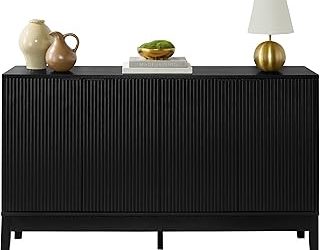
Fluted fronts are a lighting decision as much as a style one — raked light from a wall sconce or a low lamp creates soft vertical shadowing that gives the room dimension without adding clutter. The gold handles do catch overhead light, so pair this one with lamps rather than ceiling fixtures, and take advantage of the seventh drawer for small-item sorting.
White 6 Drawer Dresser with Solid Wood Legs
Raised wood legs let light pass underneath, which visually lightens a small nursery and makes floor-level nightlights far more effective than they’d be against a plinth base. A solid value pick for parents who want the clean-white look without the double-dresser footprint.
Storkcraft Horizon 6 Drawer Dresser (Driftwood)
Driftwood’s cooler gray cast is the outlier here, and it works best in rooms with north-facing daylight or slightly cooler bulbs, where warmer oaks tend to go muddy. Same GREENGUARD Gold rating and interlocking drawers as its siblings, with a more contemporary read.
Frequently Asked Questions
Can I use a nursery dresser as a changing table?
Yes, with a secured changing pad and a top that’s wide and low enough to work at comfortably. Wider double dressers are safer in practice because you’re not reaching across a lamp.
Does the finish really affect nursery lighting?
More than people expect. Glossy tops create specular hotspots under any point-source lamp, and cool-toned whites shift noticeably under warm bulbs. Matte finishes and matched color temperature solve most of it.
What kind of lamp belongs on a nursery dresser?
A dimmable warm-white lamp with an opaque or heavily diffused shade, ideally 2200–2700K, positioned so the bulb is never in your line of sight while you’re standing at the dresser.
What does GREENGUARD Gold certification mean?
It certifies the product has been tested for low chemical emissions, which matters in a small, often-closed room where an infant sleeps.
Final Thoughts
For most nurseries, the Storkcraft Avalon Double Dresser is the pick — the surface area alone solves the lamp-versus-changing-pad problem that plagues taller chests. If you want warmth that holds up under any bulb, the Storkcraft Rio in Frosted Oat is the most flexible finish here, and the Vabches 7 Drawer fluted oak earns its place for anyone building the room around soft directional light.