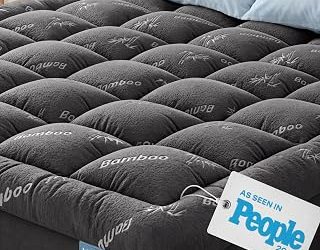
Key takeaways
- Shoulder drop: Your top comfort layer needs enough give that the shoulder sinks and the spine stays level. If your neck cranes upward when you lie down, the surface is too resistant, regardless of the firmness label on the box.
- Comfort layer depth: Look past total height to how much of it is soft foam. A 13″ build with a generous plush section behaves very differently from a 12″ build with a thin cushion over springs.
- Zoned or pocketed support: Individually wrapped coils flex locally, so your hip can press in while your ribs stay supported. This is the single biggest reason side sleepers often prefer hybrids.
- Heat routing: Memory foam cradles you, which means less airflow across your skin. Pair a foam-heavy bed with breathable bedding and a cool room — I aim for 65–68°F alongside the lighting plan.
- Trial length: Your body needs two to four weeks to stop bracing against a new surface. A year-long trial removes the pressure to judge it in week one.
What's inside
I spend my working life tuning bedrooms — dimming curves, 2200K bedside lamps, the exact height where a wall sconce stops throwing glare into someone’s eyes. And the pattern I keep running into is this: a client will invest in blackout linen, layered light, a warm circadian ramp that starts at dusk, and then wake up at 3 a.m. anyway with a dead arm and a burning shoulder. The room is doing its job. The mattress underneath them isn’t. Side sleeping concentrates almost all your body weight into two narrow zones, the shoulder and the hip, and a surface that won’t yield at those points will wake you no matter how beautifully the light fades.
This guide looks at Nectar’s lineup through that lens — sleep as an environment, not a single purchase — plus a few well-built hybrid alternatives worth weighing against them. Below you’ll find what actually matters for side-sleeping geometry, short reviews of the strongest options for 2026, and answers to the questions that come up most often once someone starts shopping.
As an Amazon Associate we earn from qualifying purchases.



How to Choose a Nectar Mattress For Side Sleepers (2026)
- Shoulder drop: Your top comfort layer needs enough give that the shoulder sinks and the spine stays level. If your neck cranes upward when you lie down, the surface is too resistant, regardless of the firmness label on the box.
- Comfort layer depth: Look past total height to how much of it is soft foam. A 13″ build with a generous plush section behaves very differently from a 12″ build with a thin cushion over springs.
- Zoned or pocketed support: Individually wrapped coils flex locally, so your hip can press in while your ribs stay supported. This is the single biggest reason side sleepers often prefer hybrids.
- Heat routing: Memory foam cradles you, which means less airflow across your skin. Pair a foam-heavy bed with breathable bedding and a cool room — I aim for 65–68°F alongside the lighting plan.
- Trial length: Your body needs two to four weeks to stop bracing against a new surface. A year-long trial removes the pressure to judge it in week one.
The Best Nectar Mattress For Side Sleepers (2026)s Reviewed
Nectar Premier 13″ Memory Foam, Queen
The deepest cushioning layer in Nectar’s foam range, and the one I point side sleepers toward first — the shoulder sinks in without the hip bottoming out, which keeps the spine reading straight. Run it in a cooler room, since the close-contouring feel traps a little more warmth than a hybrid.
Nectar 12″ Hybrid, King
Pocketed springs under the foam give it a livelier, more supportive response, so heavier side sleepers and combination sleepers who shift positions overnight get contouring without the sunken sensation. The king footprint also means a partner’s movement barely registers on your side.
Sleepmax 14″ Hybrid, Queen
A taller hybrid with pronounced pressure relief at the shoulder and hip, plus a cooler surface than most foam-only builds — a sensible pick if you sleep hot but still need real sink-in. The 365-night trial and fiberglass-free, CertiPUR-US construction make it easy to recommend sight unseen.
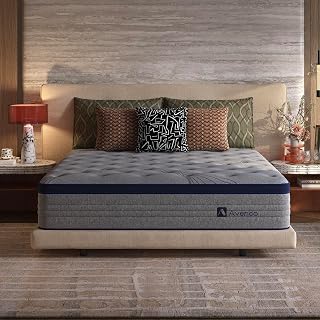
Avenco 12″ Cooling Hybrid, Queen
Gel-infused foam over pocketed coils lands close to a good hotel bed: soft enough at the shoulder, firm enough through the lumbar to keep your lower back from twisting. Motion isolation is genuinely strong, which matters if your partner keeps different hours than you do.
12″ Multilayer Hybrid, Queen
A straightforward medium-firm hybrid with individually pocketed springs and a breathable cover — the value option in this group. Expect a slightly firmer initial feel than the Nectar Premier, so give it three weeks before deciding.
Frequently Asked Questions
Premier foam or the 12″ Hybrid for side sleeping?
Choose the Premier if you’re lighter framed and want deep, enveloping pressure relief. Choose the hybrid if you’re over roughly 200 lbs, sleep warm, or change position often overnight.
Is medium firm too firm for a side sleeper?
Not usually. Medium firm describes the overall support, not the top layer — what matters is whether the comfort foam lets your shoulder drop. All the beds here do.
How long before I know if it’s working?
Give it two to four weeks. Morning shoulder and hip soreness that fades over that window is adjustment; soreness that intensifies means the surface is too firm for you.
Is there a Nectar option for a side-sleeping child?
Yes — the Nectar Kids 8″ foam mattress uses a two-sided design that adapts as they grow, with pressure-relieving foam and a washable cover.
Final Thoughts
If you want the most forgiving surface for shoulder and hip pressure, the Nectar Premier 13″ is the clearest choice; if you run warm or share the bed, the Nectar 12″ Hybrid gives you contouring with better airflow and bounce. The Sleepmax 14″ Hybrid is the value-forward alternative worth a look. Then finish the job the way I would — a warm, dimmable bedside lamp, no overhead light after dusk, and a room kept a few degrees cooler than feels natural.