Key takeaways
- Thickness before anything else: Six inches is the sweet spot for most wall-bed cabinets. Anything deeper pushes the door proud of the frame, and that half-inch gap becomes a visible seam once a lamp rakes across it.
- Tri-fold vs. single slab: Tri-folds store flat in a closet and double as guest floor beds, but the fold lines can telegraph through thin sheets. If the bed lives permanently in the cabinet, a solid low-profile foam is smoother.
- Cover color and sheen: White and ivory covers bounce warm light beautifully in dim rooms but blow out under cool LEDs. Grey and bamboo viscose absorb glare and photograph better, which matters in rentals and studios.
- Heat management: Wall beds sit against exterior or insulated walls with almost no airflow underneath. Gel-infused or open-cell foam earns its keep here far more than in a slatted platform bed.
- Certifications and construction: Look for fiberglass-free builds, CertiPUR-US foam, a washable zip cover, and a non-slip base. Straps or a storage bag are the difference between a mattress you fold away and one you lean against a wall forever.
What's inside
A Murphy bed is really a lighting problem disguised as a furniture problem. In the daytime the wall is a surface: it catches your lamps, your window bounce, the glow off a screen. At night it becomes a bed. Most people shop for the mattress last and end up with something that fights both jobs at once, either too thick to let the cabinet shut clean, or wrapped in a cover so bright it turns every sconce into a hot spot. The wrong slab also sags into the frame, throwing a shadow line along the closed panel that reads as “storage unit” rather than “wall.”
This guide looks at foldable mattresses through the lens I use for small multipurpose rooms: how a piece behaves when it disappears, how its surface handles light when it’s out, and whether it sleeps well enough that nobody notices the engineering. Below you’ll find picks in Twin XL, Full, and Queen, plus the specs worth checking before you commit to a cabinet depth.
As an Amazon Associate we earn from qualifying purchases.




How to Choose a Murphy Bed Mattress (2026)
- Thickness before anything else: Six inches is the sweet spot for most wall-bed cabinets. Anything deeper pushes the door proud of the frame, and that half-inch gap becomes a visible seam once a lamp rakes across it.
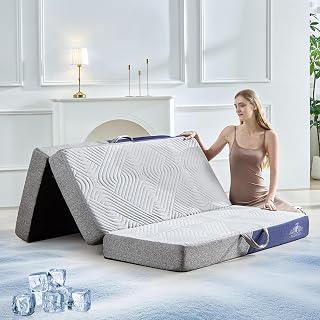
- Tri-fold vs. single slab: Tri-folds store flat in a closet and double as guest floor beds, but the fold lines can telegraph through thin sheets. If the bed lives permanently in the cabinet, a solid low-profile foam is smoother.
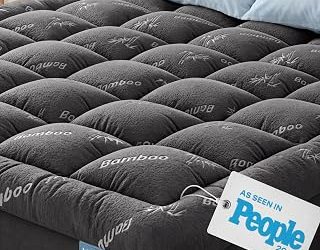
- Cover color and sheen: White and ivory covers bounce warm light beautifully in dim rooms but blow out under cool LEDs. Grey and bamboo viscose absorb glare and photograph better, which matters in rentals and studios.
- Heat management: Wall beds sit against exterior or insulated walls with almost no airflow underneath. Gel-infused or open-cell foam earns its keep here far more than in a slatted platform bed.
- Certifications and construction: Look for fiberglass-free builds, CertiPUR-US foam, a washable zip cover, and a non-slip base. Straps or a storage bag are the difference between a mattress you fold away and one you lean against a wall forever.
The Best Murphy Bed Mattresses (2026) Reviewed
Odorless Foldable Twin XL, 6 Inch Trifold
The 80″ x 38″ footprint fits the narrow vertical cabinets common in home offices, and the fiberglass-free build lives up to its name with almost no break-in smell. The included storage bag makes it genuinely putaway-able, which is the whole point of a wall bed.
AMERLIFE 6″ Queen Tri-Fold with Cooling Gel
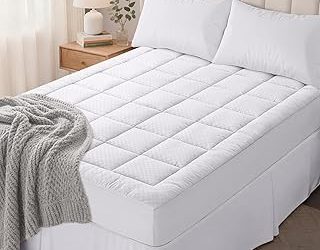
The best pick if your Murphy bed is the primary guest arrangement rather than an occasional backup. Medium-firm support holds up under two sleepers, though the white cover is bright: pair it with warmer bulbs or a darker fitted sheet so it doesn’t dominate the room visually.
Cooling Foldable Mattress, 6 Inch Full
Built around breathability, with a cool-to-touch surface that helps in cabinets sitting against warm walls or west-facing rooms. It works equally well as a topper over a thin factory wall-bed pad, which is a cheap fix for an otherwise good cabinet.
ROXGOX Trifold Full, 73″ x 52″
The slightly trimmed dimensions suit tighter frames where a standard 75″ Full binds at the corners, and the grey cover is the most forgiving finish here under mixed lighting. The carry handle and non-slip bottom make it the most portable option on the list.
FLEXISPOT Tri-Fold with Bamboo Viscose Cover
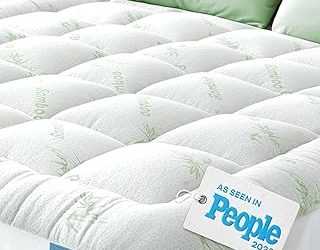
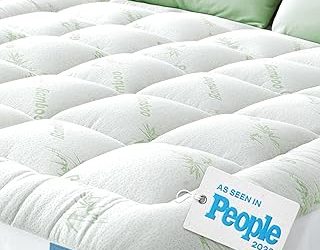
My pick when the bed is visible in a living space. The bamboo viscose has a low, dry luster that reads as intentional textile rather than mattress ticking, and the gel memory foam keeps surface temperature steady through the night.
Frequently Asked Questions
What thickness works in a Murphy bed?
Check your cabinet’s stated maximum, then subtract nothing. Most vertical wall beds accept 6 to 10 inches; horizontal and desk-combo units are usually capped at 6 to 8. Overfilling stresses the lift mechanism and prevents a flush close.
Do the fold seams affect sleep?
On a 6-inch tri-fold, mildly. Foam density matters more than the seam itself. A thin quilted pad or a thicker fitted sheet smooths the transition, and after a few nights most sleepers stop noticing.
Can I leave a tri-fold folded inside the cabinet?
Yes, if it’s strapped. Unsecured tri-folds shift and bunch when the bed swings up, which is what causes that uneven bulge along the closed panel. Use the retention straps the frame came with.
Do these need a box spring?
No. Wall beds ship with slats or a solid deck, and foam works directly on both. Avoid solid non-vented decks with no airflow if you live somewhere humid.
Final Thoughts
For most rooms, the FLEXISPOT bamboo viscose tri-fold is the one I’d specify: it sleeps cool, and the cover finish holds up visually in a space where the bed is part of the design rather than hidden. Choose the AMERLIFE Queen if the wall bed is your real guest room, and the ROXGOX Full if you need something that carries, folds, and stores without a fight.