Key takeaways
- Temperature Consistency: Medications like insulin and certain biologics demand a steady 36–46 °F range. Look for thermoelectric units that hold within a few degrees of their set point rather than basic coolers that swing wildly with ambient conditions.
- Interior Capacity vs. Shelf Life: A 4-liter fridge suits a weekly insulin supply; a 10-liter model handles bulk supplements plus temperature-sensitive skincare. Buy only the size you’ll actually fill—air gaps inside a half-empty fridge cause faster temperature fluctuation.
- Noise Level: If the unit lives beside your bed, anything above roughly 28 dB will become noticeable during sleep. Compressor-based units tend to hum louder than thermoelectric alternatives at this size class.
- Power Redundancy: AC/DC/USB compatibility means your medication stays cold during a power outage (via a car adapter or portable battery) and travels safely. A model locked to wall-only power creates a single point of failure.
- Safety Certification: ETL or UL listing confirms the unit meets electrical-safety standards—non-negotiable when it runs 24/7 in a bedroom or dormitory.
What's inside
Medication storage is one of those quiet household problems that only becomes urgent once something goes wrong—insulin loses potency in a warm bedroom, allergy meds clump in a humid bathroom, and supplements degrade sitting on a sunlit counter. If you’ve ever squinted at an expiry date wondering whether last summer’s heat compromised your supply, you already understand why a dedicated compact cooler belongs on your shortlist.
This guide cuts through the noise. We evaluated six mini fridges currently dominating the portable-cooler category and ranked them on the factors that matter most to anyone storing pharmaceuticals: temperature stability, capacity relative to footprint, noise output during overnight use, and power-source flexibility. The result is a no-fluff breakdown that helps you match the right unit to your specific medication routine and living space.
As an Amazon Associate we earn from qualifying purchases.


🛒 Best Price Today on Amazon
Prime members get fast, free shipping on everything above, plus member-only deals. New members get a 30-day free trial — cancel anytime.
How to Choose a Mini Fridge For Medication (2026)
- Temperature Consistency: Medications like insulin and certain biologics demand a steady 36–46 °F range. Look for thermoelectric units that hold within a few degrees of their set point rather than basic coolers that swing wildly with ambient conditions.
- Interior Capacity vs. Shelf Life: A 4-liter fridge suits a weekly insulin supply; a 10-liter model handles bulk supplements plus temperature-sensitive skincare. Buy only the size you’ll actually fill—air gaps inside a half-empty fridge cause faster temperature fluctuation.
- Noise Level: If the unit lives beside your bed, anything above roughly 28 dB will become noticeable during sleep. Compressor-based units tend to hum louder than thermoelectric alternatives at this size class.
- Power Redundancy: AC/DC/USB compatibility means your medication stays cold during a power outage (via a car adapter or portable battery) and travels safely. A model locked to wall-only power creates a single point of failure.
- Safety Certification: ETL or UL listing confirms the unit meets electrical-safety standards—non-negotiable when it runs 24/7 in a bedroom or dormitory.
The Best Mini Fridge For Medication (2026) Reviewed
Cooluli Mini Fridge 4L
The Cooluli 4L remains the benchmark for bedside medication storage, largely because of its exclusive USB power option—plug it into a portable power bank during outages and your insulin stays cold without blinking. The 4-liter cavity comfortably fits a standard vial arrangement, and the thermoelectric system runs whisper-quiet through the night.
CROWNFUL Mini Fridge 4L
ETL-listed and aggressively compact, the CROWNFUL is a strong pick for anyone who prioritizes safety certification without paying a premium. Temperature hold is respectable in moderate rooms, though the single-shelf interior means you’ll need to Tetris larger medication bottles carefully.
Generic 4L Mini Fridge (Medicine-Labeled)
Marketed explicitly for medicine storage, this unit’s dual AC/DC inputs and thermoelectric cooler/warmer design give it genuine versatility. It performs best as a dedicated pharmaceutical cooler rather than a multipurpose beauty fridge, and its simplified control panel reduces the chance of accidental mode switches.
Antarctic Star 10L Compact Fridge
When your inventory outgrows four liters, the Antarctic Star 10L is the smallest jump that still counts as “personal.” Its 2.6-gallon desktop footprint accommodates medication, biologics, and a row of supplements side by side. AC/DC adapters are included, though the larger cavity draws slightly more power than the 4-liter alternatives.
BEICHEN 6L Mini Fridge
The BEICHEN 6L hits a practical sweet spot: two liters more capacity than the 4-liter crowd, yet still portable enough for car travel. Energy-saving mode lowers wattage without meaningful temperature sacrifice, and the low-noise rating makes it genuinely bedroom-friendly.
Frequently Asked Questions
Can I store insulin in a mini fridge permanently?
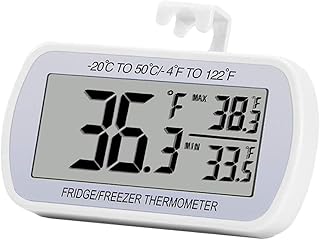
Yes, provided the unit maintains 36–46 °F consistently. Avoid placing the fridge near windows or heating vents, and check the internal temperature with a separate thermometer weekly to confirm the thermostat is calibrated accurately.
Do thermoelectric mini fridges cool below room temperature enough?
Most thermoelectric units cool roughly 15–20 °F below ambient. In a 72 °F room that lands around 52–57 °F—adequate for many medications but borderline for insulin. If your room runs warm, consider a unit with a compressor or verify the manufacturer’s stated cooling differential.
Is it safe to power a medication fridge from my car?
Units with 12V DC adapters are designed for vehicle use, but only run them while the engine is idling or through a dedicated portable battery with sufficient watt-hours. A draining car battery mid-trip defeats the purpose entirely.
How often should I clean a medication mini fridge?
Wipe the interior with a mild disinfectant every two weeks and do a full defrost-and-clean monthly. Residue buildup can harbor bacteria near items you may later apply to broken skin or use orally.
Final Thoughts
For most people storing temperature-sensitive medication at home, the Cooluli 4L offers the best balance of size, quiet operation, and emergency-ready power options. If you need more room for supplements alongside pharmaceuticals, the Antarctic Star 10L is the logical step up. And for anyone on a tighter budget who still wants proper safety certification, the CROWNFUL 4L punches well above its price point.