Key takeaways
- Temperature control: Look for a clearly displayed temperature range and controls that let you stay within the storage guidance for your specific insulin. A visible LCD is particularly helpful in low-light rooms.
- Stability: Consistent cooling matters more than an impressive minimum temperature. Avoid placing the unit in direct sun, beside a radiator, or in a tightly enclosed cabinet where heat can build up.
- Power and travel: Rechargeable batteries, USB charging, and 12V vehicle compatibility make a cooler more flexible. For home use, check whether the included adapter suits your outlet and whether backup power is available.
- Interior protection: Pens, vials, and cartridges should remain upright and cushioned rather than rattling against hard walls. A compact, organized interior also reduces the time the lid stays open.
- Room-friendly design: For a bedroom or office, favor quiet operation, a small footprint, and soft visual impact. A discreet finish and gentle display are often more comfortable at night than bright appliance lighting.
What's inside
Choosing a mini fridge for insulin is less about finding the coldest box and more about maintaining a steady, visible, travel-friendly environment. A compact cooler that fits neatly on a bedside table or desk should also be easy to monitor, simple to power, and calm in appearance—especially when it lives in a bedroom, home office, or shared space.
This guide approaches the category through both medication-storage practicality and room experience. We compare temperature displays, cooling ranges, battery options, portability, alarms, and everyday usability, while noting an important limitation: always follow your insulin’s packaging instructions and your pharmacist’s guidance, since a portable cooler is not automatically a medically validated refrigerator.
As an Amazon Associate we earn from qualifying purchases.


🛒 Best Price Today on Amazon
Prime members get fast, free shipping on everything above, plus member-only deals. New members get a 30-day free trial — cancel anytime.
How to Choose a Mini Fridge For Insulin (2026)
- Temperature control: Look for a clearly displayed temperature range and controls that let you stay within the storage guidance for your specific insulin. A visible LCD is particularly helpful in low-light rooms.
- Stability: Consistent cooling matters more than an impressive minimum temperature. Avoid placing the unit in direct sun, beside a radiator, or in a tightly enclosed cabinet where heat can build up.
- Power and travel: Rechargeable batteries, USB charging, and 12V vehicle compatibility make a cooler more flexible. For home use, check whether the included adapter suits your outlet and whether backup power is available.
- Interior protection: Pens, vials, and cartridges should remain upright and cushioned rather than rattling against hard walls. A compact, organized interior also reduces the time the lid stays open.
- Room-friendly design: For a bedroom or office, favor quiet operation, a small footprint, and soft visual impact. A discreet finish and gentle display are often more comfortable at night than bright appliance lighting.
The Best Mini Fridges For Insulin (2026) Reviewed
ZSWCBRT Mini Medical Fridge
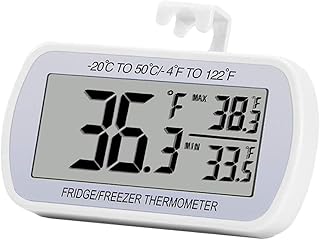
The ZSWCBRT Mini Medical Fridge is a focused travel option with a Fahrenheit display and a stated cooling range of 32°F to 47°F. Its cooler-box format suits users who want a dedicated insulin case rather than a general-purpose appliance, while the display gives you a quick check without opening the lid. Confirm the actual internal temperature with an independent thermometer before relying on it for valuable medication.
Electric Insulin Cooler, 0–18°C
This rechargeable insulin cooler is designed around portability, with two batteries and an LCD temperature display. Its broader 0–18°C range offers adjustment flexibility, although buyers should set it according to the storage instructions for their medication rather than choosing the lowest setting. The clean, equipment-like design works well on a nightstand or in a travel bag without adding visual clutter.
Upgraded Insulin Cooler Case
The upgraded insulin cooler case stands out for its 2–8°C target range, handle, alarm, and USB-rechargeable design. Those features make it appealing for planned trips and bedside use, particularly when an alert could draw attention to a temperature issue. The Celsius display may be less immediate for some shoppers, so check that the readout is comfortable for you to interpret.
Cooluli Mini Fridge
The Cooluli 4L mini fridge is a versatile choice for shoppers who want one compact appliance for medication, skincare, or small personal items. Its AC/DC and USB options suit a desk, dorm, car, or dressing area, while the understated black finish blends easily with darker furniture and low-key bedroom lighting. Because it is a general-purpose cooler, verify that its operating temperature and thermal consistency are appropriate for your insulin before purchase.
PeptiCool Peptide Cooler
PeptiCool is the most feature-led option here, combining a rechargeable design, touch-screen control, and a travel-oriented form intended for insulin pens and vials. Its polished interface feels more like a dedicated piece of equipment than a basic lunch cooler, which can be useful when temperature checks are part of your routine. Review the manufacturer’s current specifications and airline requirements before traveling, and independently verify temperature performance.
Frequently Asked Questions
What temperature should insulin be stored at?
Many unopened insulin products are commonly stored in a refrigerator at 36–46°F (2–8°C), but instructions vary by product and may differ once a pen or vial is in use. Follow the label, pharmacist, or healthcare professional’s advice rather than relying on a cooler’s advertised range alone.
Can a mini insulin fridge replace a household refrigerator?
It can be convenient for dedicated storage, travel, or a bedside setup, but not every portable cooler provides medical-grade temperature regulation. Use an independent thermometer when possible, keep the unit ventilated, and confirm its performance before storing medication in it.
Should insulin be placed directly against the cooling surface?
Usually, no. Direct contact with an extremely cold surface can create uneven temperatures or freezing risk. Keep insulin in its protective packaging, use the supplied compartment or divider, and follow the cooler’s instructions for placement.
What is the best mini fridge for overnight travel?
A battery-powered model with a readable display, secure closure, and a suitable charging backup is generally the most practical. The ZSWCBRT is appealing for Fahrenheit readability, while the upgraded case and PeptiCool add useful travel-focused features; verify battery duration for your itinerary.
Final Thoughts
For a dedicated, compact travel solution, the ZSWCBRT Mini Medical Fridge is a strong starting point. The upgraded insulin cooler case is attractive for its alarm and 2–8°C positioning, while Cooluli is the most furniture-friendly multipurpose pick for a desk or bedroom. Whichever model you choose, treat temperature verification and your insulin’s official storage instructions as the deciding factors.