Key takeaways
- Surface temperature, not marketing temperature: Coils move air; dense foam traps it. Look for gel-infused or open-cell comfort layers sitting on encased springs, and treat “cooling cover” claims as secondary to the structure underneath.
- Contour depth over firmness labels: “Medium firm” means different things to a 130-pound side sleeper and a 220-pound back sleeper. Zoned support — softer at the shoulder, firmer under the lumbar — matters more than the number on the tag.
- Motion isolation if you share: Pocketed coils that move independently, paired with a memory foam transition layer, keep a partner’s 2 a.m. shift from registering on your side of the bed.
- Profile versus your room’s proportions: A 16-inch mattress changes sightlines, nightstand height, and how a bedside lamp throws light across the bed. Twelve inches suits most existing frames; go taller deliberately.
- Trial length and certification: Bodies need three to four weeks to recalibrate. A 100-night minimum is reasonable; 365 nights is generous. CertiPUR-US certification and fiberglass-free construction are baseline, not bonuses.
What's inside
I spend my working life tuning rooms with light: dropping a bedroom to 2200K after sunset, hiding a dimmer behind a headboard, layering blackout drape against a sheer so the morning arrives gradually instead of all at once. And I’ve watched dozens of beautifully lit bedrooms fail anyway, because the last layer of the environment — the surface you actually lie on — was pulling in the opposite direction. A mattress that sleeps hot undoes an hour of careful circadian dimming. One that swallows your hips undoes good pillow geometry. One that telegraphs every movement across the bed undoes the calm you built with everything else.
Medium hybrid mattresses sit in the sweet spot for most rooms and most bodies: pocketed coils for airflow and edge structure, foam above for contour and quiet. This guide covers what actually matters when you’re specifying one — surface temperature, contour depth, motion behavior, trial windows — and then walks through the 2026 models worth your attention, from a 16-inch zoned build to Sealy’s coil-and-gel hybrid.
As an Amazon Associate we earn from qualifying purchases.


How to Choose a Medium Hybrid Mattress (2026)
- Surface temperature, not marketing temperature: Coils move air; dense foam traps it. Look for gel-infused or open-cell comfort layers sitting on encased springs, and treat “cooling cover” claims as secondary to the structure underneath.
- Contour depth over firmness labels: “Medium firm” means different things to a 130-pound side sleeper and a 220-pound back sleeper. Zoned support — softer at the shoulder, firmer under the lumbar — matters more than the number on the tag.
- Motion isolation if you share: Pocketed coils that move independently, paired with a memory foam transition layer, keep a partner’s 2 a.m. shift from registering on your side of the bed.
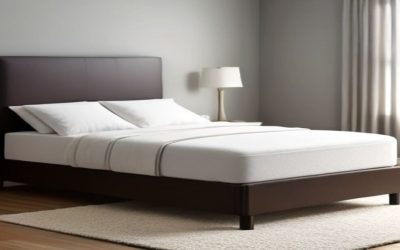
- Profile versus your room’s proportions: A 16-inch mattress changes sightlines, nightstand height, and how a bedside lamp throws light across the bed. Twelve inches suits most existing frames; go taller deliberately.
- Trial length and certification: Bodies need three to four weeks to recalibrate. A 100-night minimum is reasonable; 365 nights is generous. CertiPUR-US certification and fiberglass-free construction are baseline, not bonuses.
The Best Medium Hybrid Mattresses of 2026, Reviewed
16 Inch Queen Luxury Hybrid with 7-Zone Support
The most architecturally ambitious pick here: seven support zones under a tall comfort stack, which reads as pressure relief at the shoulders without letting the midsection sink. The 365-night trial is the real differentiator — enough runway to test it through a full seasonal swing in room temperature.
Novilla Queen 12 Inch Cooling Hybrid
Upgraded coils beneath gel memory foam give this one genuinely neutral surface temperature, which is what you want if your bedroom runs warm or catches west light in summer. A sensible mid-tier choice for guest rooms and secondary bedrooms.
BedStory 12 Inch Firm Hybrid
Advanced pocket springs and a restrained foam layer put this at the firm edge of medium — the pick for back sleepers who want lumbar support to feel like a floor rather than a cushion. Low motion transfer, and it holds its edges well for sitting.
Sealy Dreamlife 12″ Hybrid
SealyResponsive encased coils with SealyComfort gel foam above, plus Surface-Guard treatment on the cover. It’s the conservative specification in this group, and that’s the appeal: predictable feel, established support geometry, no surprises after month three.
Tuft & Needle New Mint Medium Plush
Softer than the rest and foam-based rather than coil-sprung, so it’s the one to consider if you sleep on your side and want the shoulder to disappear into the surface. Enhanced cooling keeps the plush feel from turning warm.
Frequently Asked Questions
Does a hybrid actually sleep cooler than all-foam?
Usually, yes. The coil layer creates a ventilated cavity that convects heat away, while all-foam beds rely on conduction through gel or graphite. The difference is most noticeable in rooms above 70°F.
Is a 16-inch mattress too tall for a standard frame?
It’s compatible, but check your total height. On a platform bed you may end up sitting well above your nightstand, which throws off bedside lamp placement and reading light angles.
How long before a new mattress feels right?
Two to four weeks. Foam softens marginally, and your body adapts to a new support profile. Judge it at week four, not night three.
What about all-foam options like the Lucid 12″ gel model?
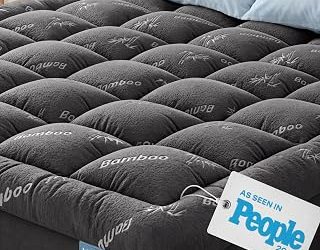
Worth considering if motion isolation is your top priority and heat isn’t. Bamboo charcoal and cooling gel help, but a hybrid still wins on airflow and edge support.
Final Thoughts
For most bedrooms, the Sealy Dreamlife is the safest specification — proven coil-and-gel construction with no learning curve. If you want more contour and a longer window to be certain, the 16 Inch 7-Zone Hybrid earns its 365 nights. Side sleepers who prize softness over spring should look at the Tuft & Needle New Mint instead.