Key takeaways
- Support: Look for a pad that complements your mattress rather than hiding a severe sag. Foam provides more pressure redistribution, while quilted pads mainly add surface cushioning.
- Firmness: Side sleepers often appreciate moderate plushness at the shoulders and hips; back and stomach sleepers may prefer a flatter, more stable feel.
- Materials: Cotton and rayon derived from bamboo tend to feel airy and smooth. Gel memory foam can contour closely, but ventilation and room temperature matter for hot sleepers.
- Fit: Measure your mattress, including any existing topper. Deep-pocket stretch skirts—especially those spanning roughly 8 to 21 inches—help prevent bunching and exposed corners.
- Care: A washable cover or machine-washable pad is valuable for long-term freshness. Check cleaning instructions carefully, since foam cores generally require spot cleaning rather than a washing machine.
What's inside
Back pain can make a perfectly attractive bedroom feel unusable by morning. The trouble is that a mattress pad rarely fixes poor support on its own: a plush layer may soften pressure points, but too much sink can leave the spine feeling twisted and fatigued. The right choice depends on your mattress firmness, sleeping position, body weight, and tolerance for heat.
This guide approaches mattress pads through both comfort and bedroom ambience. We compare the feel, construction, breathability, pocket depth, and practical upkeep of popular options—from softly quilted bamboo and cotton layers to contouring gel foam and firmer dual-sided designs—so you can choose a surface that supports better sleep without sacrificing a calm, inviting bed.
As an Amazon Associate we earn from qualifying purchases.


How to Choose a Mattress Pad For Back Pain (2026)
- Support: Look for a pad that complements your mattress rather than hiding a severe sag. Foam provides more pressure redistribution, while quilted pads mainly add surface cushioning.
- Firmness: Side sleepers often appreciate moderate plushness at the shoulders and hips; back and stomach sleepers may prefer a flatter, more stable feel.
- Materials: Cotton and rayon derived from bamboo tend to feel airy and smooth. Gel memory foam can contour closely, but ventilation and room temperature matter for hot sleepers.
- Fit: Measure your mattress, including any existing topper. Deep-pocket stretch skirts—especially those spanning roughly 8 to 21 inches—help prevent bunching and exposed corners.
- Care: A washable cover or machine-washable pad is valuable for long-term freshness. Check cleaning instructions carefully, since foam cores generally require spot cleaning rather than a washing machine.
The Best Mattress Pad For Back Pain (2026) Reviewed
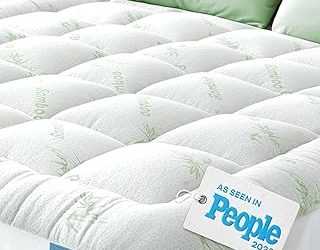
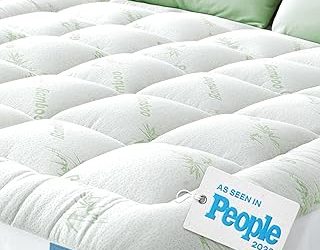
BEDLORE Viscose Bamboo Pillow Top
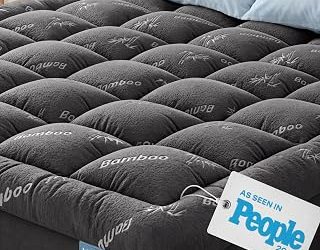
The BEDLORE Queen Mattress Topper creates a soft, gently cushioned landing with a breathable viscose-bamboo surface. Its stretchable pockets fit mattresses from 6 to 18 inches, making it a practical choice for sleepers who want a cooler, more polished-looking bed without the deeper hug of memory foam.
Niagara Sleep Solution Ultra Soft & Cooling
Niagara’s rayon-derived-from-bamboo topper is designed for a notably plush, cool-to-the-touch feel. The 20-inch deep pocket gives it useful flexibility on taller mattresses, while the pillow-top construction suits side sleepers and anyone who wants to take the edge off a firm sleep surface.
JSELF 3-Inch Gel Memory Foam Topper
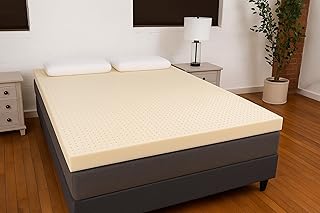
For more targeted pressure relief, the JSELF topper combines dual-layer gel memory foam with a wave-textured design that encourages airflow and distributes weight. The non-slip base and washable Bekaert fabric cover add everyday practicality, while its deeper contouring feel may appeal to sleepers whose hips and shoulders need extra cushioning.
460GSM Quilted Down Alternative Mattress Pad
This Queen mattress pad offers substantial quilted loft without using down, creating a quiet, hypoallergenic layer with an all-season character. Its 8-to-21-inch pocket range and machine-washable microfiber construction make it especially convenient for guest rooms or bedrooms where a clean, hotel-like finish matters.
EASELAND Cotton Pillow Top Mattress Pad
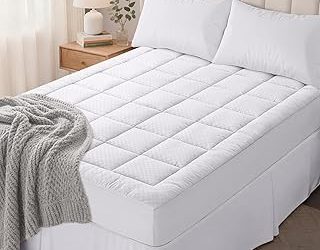
The EASELAND Queen mattress pad uses a cotton top and box-quilted pillow-top structure for a familiar, breathable feel. It is a strong fit for sleepers who want modest cushioning rather than dramatic contouring, with a broad 8-to-21-inch pocket range and machine-washable design that simplify routine care.
Frequently Asked Questions
Can a mattress pad relieve back pain?
It may reduce discomfort caused by pressure or an overly firm surface, but results vary. A pad cannot reliably correct a sagging, damaged, or fundamentally unsuitable mattress, so persistent pain should not be attributed solely to bedding.
Is a soft or firm mattress pad better for back pain?
Neither is universally best. A balanced surface that keeps your spine relatively neutral is usually more useful than extreme softness or rigidity; your sleeping position and the firmness of the mattress underneath should guide the decision.
Do memory foam toppers sleep hot?
Some do, because dense foam can retain warmth. Gel infusions, wave patterns, breathable covers, lightweight bedding, and a cooler bedroom can help, but quilted bamboo or cotton pads are often the safer choice for particularly warm sleepers.
How thick should a mattress pad be?
For light cushioning, a quilted pad is often sufficient. A two- to three-inch foam topper makes a more noticeable change in pressure distribution, but it also changes the bed height, fitted-sheet fit, and overall feel more substantially.
Final Thoughts
Choose the BEDLORE or EASELAND for breathable, softly layered comfort with a neat bedroom presentation; the JSELF is the more contouring option when pressure relief is the priority. For a plush, cooler-feeling surface on a taller mattress, the Niagara Sleep Solution is a compelling pick.