Key takeaways
- Measured temperature drop: Look for a stated range rather than vague “cooling technology” claims. A unit that pulls 7–12°F below ambient gives you real headroom in a warm bedroom; anything less is a wicking fabric with marketing behind it.
- Noise floor: This matters more than buyers expect. A bedroom at night sits around 30 dB, so a control unit with an audible whine will read as louder than it measures. Hydro-powered systems generally run quieter than air-driven ones, which is worth weighing if you sleep light.
- Profile under the sheet: An ultra-thin pad slides under a fitted sheet without changing how the mattress feels or how the bed reads visually. Thicker toppers can lift the mattress edge and throw off the line of a bed skirt or upholstered frame.
- Control method: Remote or app control means you adjust temperature without turning on a lamp, which protects the dark adaptation you spent the evening building. Four or more speeds beat a simple high/low switch, since your ideal setting shifts across seasons.
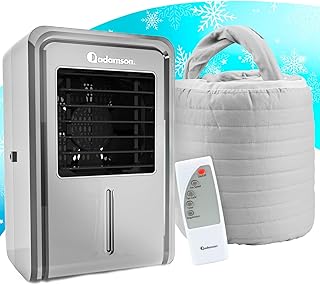
- Where the unit lives: Every system has a box with a pump or fan, and it needs airflow plus an outlet. Plan for it the way you would plan a floor lamp: behind the nightstand, off the walking path, hidden from the sightline as you enter the room.
What's inside
In lighting design, we spend a lot of time on the last ninety minutes before sleep: warm color temperature under 2700K, fixtures dropped below eye level, dimmers pulled down in stages so the body reads the room as dusk. Then the client climbs into bed and the whole choreography collapses, because the mattress is still radiating the heat it collected all evening. Trapped body heat is the one variable that ambience work cannot fix from the ceiling. You can dim a room to candlelight and still wake at 3 a.m. with damp sheets and a racing pulse, and no amount of amber glow will talk your nervous system back down.
A mattress cooling system treats temperature the way a good dimmer treats light: as something adjustable, quiet, and set to your preference rather than left to chance. This guide looks at the units worth wiring into your bedroom in 2026, what separates a genuinely useful cooler from a noisy fan in a box, and how to place one so it disappears into the room instead of announcing itself. Every pick below is judged on the same criteria I use for a bedside fixture — sound, footprint, control, and whether you forget it is there.
As an Amazon Associate we earn from qualifying purchases.





How to Choose a Mattress Cooling System (2026)
- Measured temperature drop: Look for a stated range rather than vague “cooling technology” claims. A unit that pulls 7–12°F below ambient gives you real headroom in a warm bedroom; anything less is a wicking fabric with marketing behind it.
- Noise floor: This matters more than buyers expect. A bedroom at night sits around 30 dB, so a control unit with an audible whine will read as louder than it measures. Hydro-powered systems generally run quieter than air-driven ones, which is worth weighing if you sleep light.
- Profile under the sheet: An ultra-thin pad slides under a fitted sheet without changing how the mattress feels or how the bed reads visually. Thicker toppers can lift the mattress edge and throw off the line of a bed skirt or upholstered frame.
- Control method: Remote or app control means you adjust temperature without turning on a lamp, which protects the dark adaptation you spent the evening building. Four or more speeds beat a simple high/low switch, since your ideal setting shifts across seasons.
- Where the unit lives: Every system has a box with a pump or fan, and it needs airflow plus an outlet. Plan for it the way you would plan a floor lamp: behind the nightstand, off the walking path, hidden from the sightline as you enter the room.
The Best Mattress Cooling Systems (2026) Reviewed
B10 Bed Cooling System (Twin)
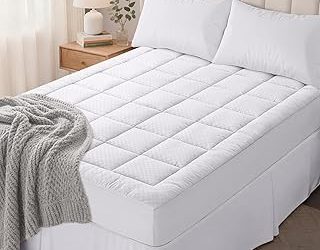
The B10 is the most sensible entry point for hot sleepers, pairing a 100% cotton pad with a 7–12°F cooling range and four speeds on a remote. Cotton is the right call here — it breathes rather than trapping the moisture the system is working to manage.
SAITRIO Bed Cooling System Air1 (Full)
Hydro-powered and genuinely thin, the Air1 is my pick when the bed is the visual anchor of the room and nothing can disturb its silhouette. It runs quietly and tucks under a fitted sheet without a hint of bulk, which also makes it the better choice for a partner who wakes at the sound of a compressor cycling.
B10 Cooling System for Guest Rooms
Guest rooms tend to be the warmest space in a house — smaller, often over a garage, rarely on the same HVAC balance as the primary bedroom. A twin B10 solves that quietly, and the remote means guests can adjust it without hunting for instructions.
B10 Twin Pair for Split Bedding
Two twin B10 units on a king platform give each sleeper independent control, which is the cleanest fix for couples who disagree about temperature by five degrees or more. The four-speed range is wide enough that both sides land somewhere comfortable.
B10 Cooling Pad for Adjustable Bases
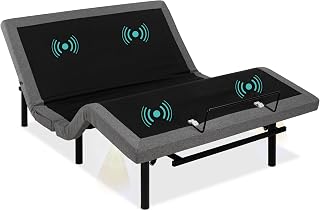
Because the B10 works as a pad rather than a full mattress replacement, it layers onto an adjustable base without fighting the articulation. Route the hose along the frame’s hinge line so nothing pinches when the head raises.
Frequently Asked Questions
Do these systems replace air conditioning?
No, and they are better than AC for this job. Cooling the surface you touch uses a fraction of the energy of cooling the whole room’s air volume, and it lets you keep the bedroom slightly warmer for comfort while sleeping cool.
Will I feel the pad through my sheet?
With a thin pad like the Air1, most sleepers stop noticing it within a night or two. Thicker cotton toppers change the surface slightly, usually toward a softer feel.
How loud is the control unit?
Expect a soft, steady sound similar to a small aquarium pump. Placing it on carpet or a felt pad rather than bare hardwood reduces vibration transfer noticeably.
Does the water need refilling?
Hydro-powered units use a small reservoir topped off every few weeks, with distilled water recommended to prevent mineral buildup.
Final Thoughts
For most bedrooms, the B10 Bed Cooling System is the practical choice: real temperature control, cotton against the skin, and a remote you can use in the dark. If your room is design-forward and silence is non-negotiable, the SAITRIO Air1 is the more elegant install. Either one finishes the work your lighting started.