Choosing kitchen towels looks trivial until a cheap set starts pushing water around the counter instead of soaking it up. The real decision is matching weave and size to the work your kitchen actually does: a flat cotton towel that dries glassware without lint behaves nothing like a thirsty waffle weave or a thin flour sack square, and buying the wrong construction means a drawer full of towels you avoid. Pack count matters too, because a towel only stays hygienic when a fresh one is always within reach.
This guide serves three kinds of buyers: households that burn through towels daily and need bulk cotton that survives constant washing, cooks who want one dependable set for dishes and hands, and bakers who need large lint-free squares for proofing and polishing. Every pick below was chosen from the product names and specifications published on its Amazon listing, so the sizes, pack counts and fabric claims quoted here are the ones you can verify on the page before ordering.
Quick Picks
As an Amazon Associate we earn from qualifying purchases
Construction matters more than branding. Flat-weave cotton, like the Zeppoli and LANE LINEN sets, presents a smooth face that wipes glassware clean and releases water quickly on the hook. Terry loops hold the most water per pass but dry slowly and can leave lint on glasses. Waffle weave pockets trap moisture while letting air through the fabric, a middle path that suits big drying loads. Flour sack cotton is the thinnest option: it absorbs less per towel yet dries in minutes and leaves almost nothing behind on polished surfaces.
Cotton type and fabric weight
Nearly every serious kitchen towel is cotton, but the listing wording tells you more. Ring-spun cotton, used in both Utopia sets, twists fibres into a smoother, stronger yarn that resists pilling. Long, dense weaves feel substantial in the hand and keep absorbing after many washes, while very light towels fold small and dry fast but saturate quickly. Where a listing states a fabric weight, treat heavier cloth as the better match for soaking up spills; where it does not, judge by weave and size instead of guessing.
Size: hand towel versus full square
Most dish towels cluster around 15 by 25 inches, enough to dry a dinner plate or wrap a hand while carrying a hot dish by its edges. Oversize options change the work they suit. The COTTON CRAFT set at 16 by 28 inches covers more counter per wipe, and the 28 by 28 inch flour sack squares fold over a proofing bowl or line a whole drying rack. Bigger is not automatically better: large towels bunch in small drawers and stay damp longer in humid kitchens.
Pack count and the laundry rhythm
A towel you cannot rotate is a towel that stays damp and sour. Households that cook daily should think in dozens: the 15-pack Zeppoli and 12-pack Utopia sets let you take a fresh towel each morning and wash one weekly load. Smaller six-packs, like the LANE LINEN set, work when towels are a finishing tool for glassware rather than the main drying fleet. Whatever the count, cotton towels need several washes before absorbency peaks, and fabric softener coats the fibres, so skip it from the first wash onward.
The Zeppoli Classic set is the rotation-first choice: fifteen flat-weave cotton towels in one pack, so a busy kitchen can hang a fresh one daily and still have spares on wash day. The smooth face dries plates, cutlery and glassware without the drag of terry loops, and the 14 by 25 inch size folds neatly over an oven handle. It suits households that cook most nights and want a uniform stack of work towels rather than a few premium pieces, plus anyone replacing paper towels for everyday wiping and drying.
Utopia’s twelve-pack is the soft-hand alternative to flat utility towels. The ring-spun cotton feels fuller than the Zeppoli cloth and the 15 by 25 inch towels handle the standard rotation of dish drying, hand drying and counter wiping in a mid-size kitchen. Black hides the coffee and turmeric stains that mark lighter towels, which makes this set a sensible pick for heavy daily use where appearance between washes matters. Choose it if you want one dozen towels that cover every routine job without a specialist set on the side.
The LANE LINEN six-pack is the finishing towel of this group. Its herringbone weave gives a smooth, low-lint surface that suits drying glasses and cutlery you want to put straight back in the cupboard, and the grey chambray stripes look deliberate hanging in a styled kitchen rather than purely utilitarian. Six towels will not run a whole kitchen’s laundry rotation, so treat this set as the glassware and presentation layer alongside a bulk pack, or as the only set in a small kitchen with light cooking.
COTTON CRAFT’s Euro Café set is the big-coverage option: twelve waffle weave towels at 16 by 28 inches, larger than the standard dish towel footprint. The waffle pockets hold water across a full rack of dishes and give wet hands something to grip, while the open weave lets air through so the towel dries faster than a dense terry of similar size. It fits cooks who clear large meals, wash up without a dishwasher, or want one towel to double as a surface protector under a drying rack.
Flour sack towels are the specialist squares of the kitchen, and Utopia Kitchen’s twelve-pack is the straightforward version: thin 28 by 28 inch ring-spun cotton that folds over a proofing bowl, strains stock, lines a bread basket and polishes glass without leaving lint. They absorb less per towel than the waffle or flat-weave sets, so expect to rotate through two or three during a big bake or wash-up. In return they dry on a hook in minutes and stack almost flat, which suits small kitchens and serious bakers alike.
Which One Fits Your Situation
You cook every night and wash up by hand
Start with the Zeppoli 15-pack. Fifteen towels support a genuine rotation — one or two fresh towels a day, one laundry load a week — and the flat weave handles dishes, hands and counters without staying damp between sessions. Add the Utopia Towels 12-pack later if you want a softer second fleet in a dark colour that hides stains.
You dry glassware and hate lint
Choose the LANE LINEN six-pack as your finishing set. The herringbone surface is the smoothest here, so glasses and cutlery come off the towel ready for the cupboard rather than needing a second polish. Keep a bulk flat-weave pack for the heavy work and reserve these six for glass, and the small pack size stops being a limitation.
You bake bread and cook from scratch
Take the Utopia Kitchen flour sack twelve-pack. The 28 by 28 inch squares cover a proofing bowl properly, strain and line without shedding fibres into food, and wash back to plain white when flour and berry stains hit them. Pair them with any standard dish towel set for pans and spills, since the thin cotton saturates quickly on big liquid jobs.
You wash large loads without a dishwasher
Pick the COTTON CRAFT Euro Café twelve-pack. The 16 by 28 inch waffle towels cover more per pass than standard sizes, so a full rack takes fewer towels, and the open weave dries between the lunch and dinner wash-ups instead of sitting soggy on the hook. The white colour also makes it obvious when a towel needs the wash rather than another shift.
Common Mistakes
Judging a cotton towel on its first use, when most sets need several washes before the fibres open up and absorbency peaks.
Washing kitchen towels with fabric softener or dryer sheets, which coat the cotton fibres and make the towels push water around instead of absorbing it.
Buying one small pack and reusing the same damp towel for days, which breeds odour and spreads bacteria across work surfaces.
Choosing size by habit: a 15 x 25 inch towel cannot cover a proofing bowl, and a 28 inch square is clumsy for drying a single glass.
Using the same towel for raw-meat cleanup and then for drying clean dishes, instead of sending it straight to the wash.
Frequently Asked Questions
How many kitchen towels does a household actually need?
Enough to take a fresh towel at least daily and still cover laundry day. For most homes that means twelve to fifteen towels in rotation, which is why the bulk packs in this guide run from twelve to fifteen pieces. Small households that cook lightly can manage with six, provided they wash twice a week and keep one towel reserved for glassware only.
Which weave is best for drying dishes?
Flat and waffle weaves cover most dish drying. Flat cotton wipes plates and glassware clean with the least lint, while waffle weave holds more water across a full rack and dries faster between uses than terry. Flour sack cotton is the choice for final polishing and baking tasks rather than bulk drying, because its thin fabric saturates quickly on large loads.
Why do new cotton towels repel water at first?
Many cotton towels leave the factory with surface finishes from manufacturing that slow absorption, and the fibres themselves need a few wash cycles to open up. Wash new towels in warm water without fabric softener before judging them, and expect absorbency to improve over the first several washes. If a towel still smears water after that, the weave is too loose or the cotton is blended with synthetic fibre.
Can flour sack towels replace regular dish towels?
Only partly. Flour sack squares excel at lint-free jobs — covering dough, straining, polishing glass — and their size covers jobs a standard towel cannot. They absorb less water per towel, though, so a household that retires its dish towels entirely will burn through several flour sacks at every wash-up. Most kitchens do best with both: flour sacks for baking and glass, a woven set for daily drying.
H
Home Beautiful Design Editorial Team
We compare specs, materials and verified owner reviews before a product earns a spot. Rankings are never paid.
Affiliate disclosure. As an Amazon Associate we earn from qualifying purchases at no extra cost to you. Prices accurate as of the date shown.
Discover the best reed diffuser for living rooms, bedrooms, and bathrooms. Compare five elegant, long-lasting reed diffusers for inviting home fragrance.


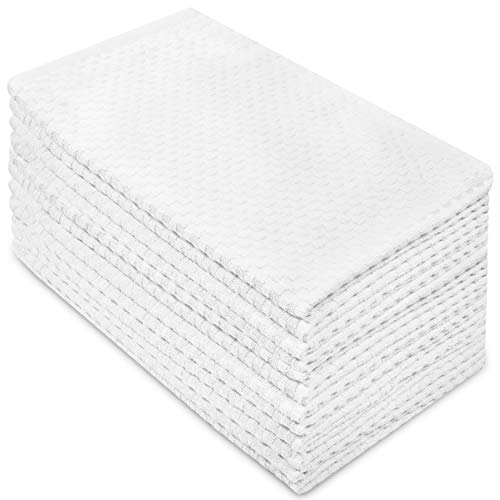 COTTON CRAFT Euro Café Waffle Weave Kitchen Towels, Set of 12
 Utopia Kitchen Flour Sack Towels, 12-Pack