Key takeaways
- One-way vs. two-way: A sponge-style humidifier only adds moisture, which is fine in dry winter interiors. A two-way salt-and-polymer regulator both releases and absorbs, which matters in humid summers or rooms that swing hard between HVAC cycles.
- Where the instrument lives: Case systems work brilliantly in a sealed environment and do almost nothing for a guitar hanging over a sideboard. If yours is on display, plan on room humidification as the primary control and an in-body humidifier as insurance.
- Measurement, not guesswork: Buy a hygrometer or a kit that includes one. Target 45–50% RH. Without a number you are managing an invisible variable by feel, which never ends well.
- Drip risk and finish safety: Anything that carries free water above a lacquered top should be sealed, wrung out properly, and designed not to weep. Suspended soundhole tubes and encapsulated packets are safer bets than saturated open sponges.
- Refill cadence: Match the maintenance rhythm you will realistically keep. Packet-based systems need attention every few months; sponge units want checking weekly during heating season.
What's inside
Spend enough years shaping how rooms feel after dark and you learn that ambience has a cost. The warm pools of light that make a living room inviting come from fixtures that push heat, the sun-washed corner that flatters a wall of records bakes at 3pm, and the forced-air register humming under the floor is quietly stripping moisture out of everything porous in the room. A guitar on a wall hook is one of the most beautiful objects you can hang in a styled space, and also one of the most vulnerable. Spruce and rosewood respond to relative humidity the way paper does. Drop a room to 25% RH for a few weeks in February and the top shrinks against its bracing, action sinks, fret ends creep past the binding, and eventually something cracks along the grain.
This guide looks at humidification from the room-design side rather than the gigging-musician side: what actually protects an instrument that lives as part of your interior, whether it hangs on a wall, sits on a floor stand beside a reading lamp, or rests in a case in a closet. Below are the humidifiers and two-way regulators worth owning in 2026, plus the selection criteria that matter once you stop treating your guitar as gear and start treating it as furniture.
As an Amazon Associate we earn from qualifying purchases.



How to Choose a Humidifier Guitar (2026)
- One-way vs. two-way: A sponge-style humidifier only adds moisture, which is fine in dry winter interiors. A two-way salt-and-polymer regulator both releases and absorbs, which matters in humid summers or rooms that swing hard between HVAC cycles.
- Where the instrument lives: Case systems work brilliantly in a sealed environment and do almost nothing for a guitar hanging over a sideboard. If yours is on display, plan on room humidification as the primary control and an in-body humidifier as insurance.
- Measurement, not guesswork: Buy a hygrometer or a kit that includes one. Target 45–50% RH. Without a number you are managing an invisible variable by feel, which never ends well.
- Drip risk and finish safety: Anything that carries free water above a lacquered top should be sealed, wrung out properly, and designed not to weep. Suspended soundhole tubes and encapsulated packets are safer bets than saturated open sponges.
- Refill cadence: Match the maintenance rhythm you will realistically keep. Packet-based systems need attention every few months; sponge units want checking weekly during heating season.
The Best Humidifier Guitar Picks (2026) Reviewed
D’Addario Humidipak Maintain Case System
The most set-and-forget option here: three sealed packets that hold a case at roughly 45–50% RH in both directions, so you are not chasing a moving target between seasons. Ideal for an instrument that stores in a case in a closet or under a bed, and the reason it appears twice on most shortlists is simply that nothing else asks so little of you.
MusicNomad Humitar ONE (MN311)
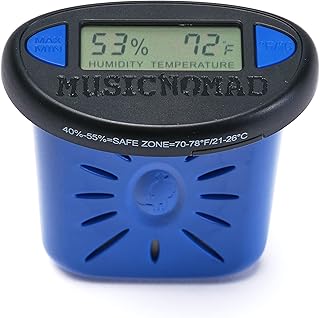
A soundhole humidifier with the hygrometer built into the same unit, which removes the most common failure point — owning a humidifier but never actually reading the humidity. The clay-based sponge holds water well and releases it slowly, and the combined format is genuinely tidy in a case with limited room.
Oasis OH-1 Soundhole Humidifier
My pick for display instruments. The fabric sleeve shrinks visibly as it depletes, so you get a glanceable fill indicator instead of a guess, and the sealed design is about as drip-resistant as a water-based humidifier gets. Slim enough to leave in place on a wall-hung guitar without looking like hardware.
Boveda 49% Size 8, 10-Pack
Two-way regulation in small sachets, sized for woodwinds and bows but equally useful tucked into a mandolin case, a ukulele bag, or the accessory pocket of a guitar case as a supplement. Buying the ten-pack is the sensible move because these are consumables, not devices.
Cello F-Hole Moisture Tube
Built for 4/4 and 3/4 cellos, with a high-absorption sponge in a 12.99-inch tube that suspends through the f-hole rather than resting on the wood. If your room includes a cello as a sculptural piece — and they are unbeatable in a corner with a low grazing light — this is the straightforward way to keep the belly from cracking.
Frequently Asked Questions
What humidity level should I aim for?
45–50% relative humidity is the accepted window for solid-wood instruments. Brief excursions are survivable; sustained weeks below 35% or above 60% are what cause structural damage.
Can a room humidifier replace an instrument humidifier?
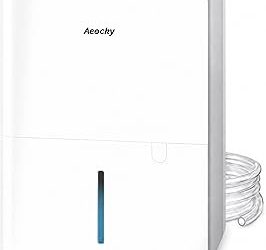
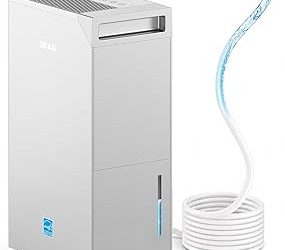
Yes, if it holds the whole room steady and you verify it with a hygrometer. That is the better approach for guitars kept on display, since case-based systems cannot help an instrument that is never in its case.
Will these damage the finish?
Not when used correctly. Wring sponge units until they no longer drip, keep any wet surface off the top and bridge, and inspect packets for leaks before reinstalling them.
How does lighting affect my instrument?
Heat and UV both matter. Halogen and older incandescent fixtures aimed at close range create a warm, dry microclimate, and direct sun fades finishes unevenly. Cool-running LEDs at a respectful distance solve most of it.
Final Thoughts
For a case-stored instrument, the D’Addario Humidipak Maintain system is the least demanding path to stable humidity, and the Boveda 49% ten-pack extends that same two-way protection to smaller cases and accessories. If your guitar is part of the room’s composition rather than hidden away, pair room humidification with the Oasis OH-1 for its readable fill level and low-drip design — the combination that has kept my own display pieces intact through a decade of dry winters.