Key takeaways
- Match height to body weight: Six and eight inch profiles suit lighter sleepers, guest rooms, bunks, and daybeds. If you’re over roughly 200 pounds or you sleep on your side, go to ten inches minimum so there’s enough foam above the base layer to cradle a shoulder or hip without bottoming out.
- Read cooling claims carefully: Gel beads and green tea infusions help at the surface, but airflow does the heavier lifting. Open-cell or zoned support layers, a breathable knit cover, and a slatted or ventilated base will do more for a hot sleeper than any single additive.
- Treat “medium firm” as a range: There is no industry standard behind the label. Back and stomach sleepers generally want the firmer end; side sleepers want give at the shoulder. Read how a brand describes contouring versus support to guess where a bed actually lands.
- Check the cover and the certification: CertiPUR-US means the foam has been tested for emissions and restricted substances. A removable, washable, fiberglass-free cover is worth prioritizing if you have kids, pets, or allergies.
- Allow for break-in and an exit: Give a compressed mattress 48 to 72 hours to fully expand and air out, then a couple of weeks for your body to adjust. A generous trial period is the single best protection at this price.
What's inside
Most of my work happens in the last hour before sleep. I spec warm bulbs at the bottom of a dimmer, hide the drivers, kill the blue spill from a charging brick on the nightstand. Clients hire me because their bedroom “won’t wind down,” and I can usually solve that in an afternoon. What I cannot solve from a ladder is a mattress that runs hot at 3 a.m. or lets a hip sink through to the foundation. A room can be beautifully lit and still keep you up all night.
The frustrating part of shopping in this category is that every listing reads like the last one. Everything is gel-infused, everything is medium firm, everything arrives compressed in a box the size of a duffel bag. This guide separates the specs that change how a bed sleeps from the ones that only change the marketing copy: how height should track your body weight, which cooling features hold up past midnight, what a foam certification actually tells you, and which trial windows are long enough to be useful. Below are six models worth a look on a modest budget, plus notes on who each one fits.
As an Amazon Associate we earn from qualifying purchases.



How to Choose an Economical Memory Foam Mattress (2026)
- Match height to body weight: Six and eight inch profiles suit lighter sleepers, guest rooms, bunks, and daybeds. If you’re over roughly 200 pounds or you sleep on your side, go to ten inches minimum so there’s enough foam above the base layer to cradle a shoulder or hip without bottoming out.
- Read cooling claims carefully: Gel beads and green tea infusions help at the surface, but airflow does the heavier lifting. Open-cell or zoned support layers, a breathable knit cover, and a slatted or ventilated base will do more for a hot sleeper than any single additive.
- Treat “medium firm” as a range: There is no industry standard behind the label. Back and stomach sleepers generally want the firmer end; side sleepers want give at the shoulder. Read how a brand describes contouring versus support to guess where a bed actually lands.
- Check the cover and the certification: CertiPUR-US means the foam has been tested for emissions and restricted substances. A removable, washable, fiberglass-free cover is worth prioritizing if you have kids, pets, or allergies.
- Allow for break-in and an exit: Give a compressed mattress 48 to 72 hours to fully expand and air out, then a couple of weeks for your body to adjust. A generous trial period is the single best protection at this price.
The Best Economical Memory Foam Mattresses of 2026, Reviewed
Novilla 6-Inch Queen
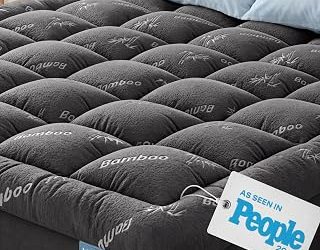
The most flexible pick here for spare rooms, trundles, and platform frames where a tall mattress would look wrong. Green tea-infused foam over a firm base gives it a supportive, no-sink feel, though sleepers over about 180 pounds will want more height.
Nectar 12-Inch Twin
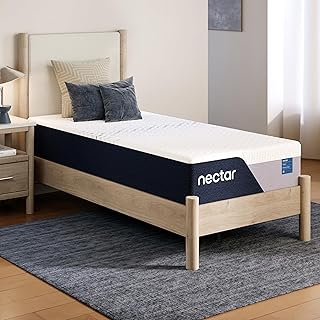
Nectar builds a denser, more resilient foam stack than most brands charging this little, and the year-long trial removes nearly all the risk of buying a bed you’ve never touched. A strong choice for a teenager’s room or a guest bed you want to stop thinking about.
FATHOM 12-Inch Queen
A well-balanced medium that keeps the lumbar region lifted while still relieving pressure at the shoulders, which is the combination back-pain sufferers usually need. The removable, fiberglass-free cover and CertiPUR-US foams make it easy to recommend for a primary bedroom.
Sweetnight CoolNest 14-Inch King
The one I’d point a hot sleeper toward. Five-zone ergonomic support plus a genuinely breathable build keeps surface temperature steadier through the night, and 14 inches of loft gives a king-size bed real visual presence under a low pendant or wall sconce.
EGOHOME 8-Inch Full
A sensible middle height for a full-size frame, with green tea gel foam that stays neutral in temperature rather than actively cooling. Best for lighter to average-weight back sleepers, or as a comfortable upgrade in a room that doesn’t get nightly use.
Frequently Asked Questions
How thick should an affordable memory foam mattress be?
Ten to twelve inches is the sweet spot for adult primary beds. Six and eight inch models are legitimate choices for lighter sleepers, children, and occasional-use rooms, but they have less material to work with over time.
Do gel and green tea infusions actually keep a bed cooler?
Modestly. Gel slows heat buildup at the surface and green tea extract mainly addresses odor. Zoned or open-cell construction and a ventilated foundation matter more if you consistently wake up warm.
How long will an inexpensive foam mattress last?
Expect six to eight years from a well-made budget model, less if it carries heavy nightly use. Rotating it head-to-foot every few months noticeably delays the appearance of body impressions.
Do I need a box spring?
No. Memory foam wants a flat, firm, well-supported surface: a platform bed, a bunkie board, or a metal frame with slats no more than three inches apart. Wider gaps let the foam sag between them.
Final Thoughts
If you want the safest bet in the group, the Nectar 12-inch pairs dense foam with a trial long enough to make the decision reversible. For a primary bedroom, the FATHOM 12-inch queen offers the best mix of lumbar support and cover quality at its price, while the Sweetnight CoolNest 14-inch king is the one I’d specify for a hot sleeper who also wants the bed to hold its own in the room.