Key takeaways
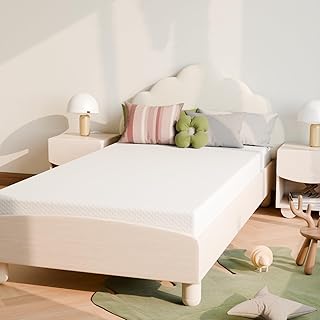
- Profile height: Measure from the deck to the top of the side rail. A 5-inch mattress keeps the rail proud and the silhouette crisp, which is what you want when the piece doubles as seating. Anything past 8 inches on a low-rail daybed swallows the frame and the whole corner loses its architecture.
- Edge integrity: Daybeds are sat on far more than they’re slept on, so the perimeter takes the abuse. Pocketed-coil perimeters or a firmer foam rail hold a straight line under raking light; soft-edged all-foam slabs start to slump at the front within a season.
- Surface finish: Slick, tightly woven covers throw a specular sheen under a nearby lamp or downlight. Matte knits and quilted textures diffuse it. If your daybed sits beneath a window or a bright fixture, choose the texture that scatters rather than reflects.
- Firmness for dual duty: Medium firm is the sweet spot. It resists the compression bowl that forms where people sit, so the mattress still reads flat and taut when it’s dressed with a bolster and throws.
- Safety and materials: Look for CertiPUR-US foam and explicitly fiberglass-free construction, especially for kids’ rooms and trundle setups where the cover gets pulled and washed.
What's inside
A daybed rarely lives in a dark room. It sits in the bay window, under the pendant in a sunroom, or along the wall of a home office where afternoon light rakes across it at a low angle. That geometry is unforgiving: sidelight exaggerates every dip, sag, and compression ring in a mattress, and a slab that has softened in the middle reads as a shadow trough from across the room. Buyers usually shop for comfort alone, then wonder why the corner never looks as composed as it did in the showroom photo.
This guide approaches daybed mattresses the way I’d approach a fixture schedule — thinking about profile, edge definition, surface behavior under light, and how the piece performs once the room shifts from daylight to lamplight. Below you’ll find five picks that hold their line visually while still sleeping well for guests, kids, and the occasional long nap, plus a short checklist for matching thickness and firmness to your frame.
As an Amazon Associate we earn from qualifying purchases.


How to Choose a Daybed Mattress (2026)
- Profile height: Measure from the deck to the top of the side rail. A 5-inch mattress keeps the rail proud and the silhouette crisp, which is what you want when the piece doubles as seating. Anything past 8 inches on a low-rail daybed swallows the frame and the whole corner loses its architecture.
- Edge integrity: Daybeds are sat on far more than they’re slept on, so the perimeter takes the abuse. Pocketed-coil perimeters or a firmer foam rail hold a straight line under raking light; soft-edged all-foam slabs start to slump at the front within a season.
- Surface finish: Slick, tightly woven covers throw a specular sheen under a nearby lamp or downlight. Matte knits and quilted textures diffuse it. If your daybed sits beneath a window or a bright fixture, choose the texture that scatters rather than reflects.
- Firmness for dual duty: Medium firm is the sweet spot. It resists the compression bowl that forms where people sit, so the mattress still reads flat and taut when it’s dressed with a bolster and throws.
- Safety and materials: Look for CertiPUR-US foam and explicitly fiberglass-free construction, especially for kids’ rooms and trundle setups where the cover gets pulled and washed.
The Best Daybed Mattresses (2026) Reviewed
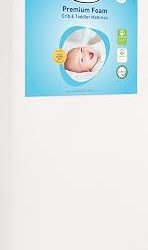
Twin 5-Inch Cooling Gel Memory Foam (Fiberglass-Free, Kid-Safe)
The 5-inch profile is purpose-built for daybeds and bunks, leaving the rail visible and the room’s proportions intact. Medium-firm gel foam keeps the seating edge honest, and the fiberglass-free build makes it an easy call for a child’s room or a window nook that gets handled daily.
Twin 5-Inch Medium Firm for Kids & Guests
A close sibling to the pick above, tuned slightly more toward guest comfort while keeping the same low, tidy stance. The CertiPUR-US gel foam runs cool near a sun-warmed window, which matters more than people expect on a south-facing daybed.
Lucid 8″ Gel Memory Foam with Bamboo Charcoal
The best choice when the daybed reads as a real bed rather than a sofa — 8 inches gives genuine overnight comfort and the charcoal-infused foam handles humidity in sunrooms and finished basements. Check your rail height first; this one needs a taller frame to stay visually balanced.
Ottomanson Twin 9″ Hybrid
Individually pocketed coils give this one the cleanest edge line of the group, so the front stays straight even after months of use as a bench. Made in the USA with CertiPUR-US foam, it’s the pick for high-traffic daybeds in living rooms and offices.
Profus Twin 12″ Hybrid with Pocketed Coils
A full-height hybrid for daybeds used as a primary sleep surface, with real motion isolation and pressure relief. At 12 inches it will overwhelm most decorative rails, so reserve it for platform-style or tall-back frames.
Frequently Asked Questions
What thickness works best on a daybed?
Five to eight inches for most frames. The goal is a mattress top that sits just below or level with the side rail, which keeps cushions in place and preserves the frame’s lines.
Will a memory foam mattress look sunken over time?
All-foam slabs can develop visible compression where people sit. Medium-firm density and a hybrid coil layer both help, and rotating the mattress every few months keeps the surface reading flat.
Does the cover material really matter?
Under direct sun or a nearby lamp, yes. Matte quilted covers diffuse light and hide minor unevenness; glossy covers highlight both. Removable, washable covers are also practical for a piece that doubles as seating.
Do I need a mattress topper?
Only if you’ve chosen a thinner 5-inch mattress for looks and want more overnight comfort. A 2-inch topper adds softness without significantly changing the profile.
Final Thoughts
For most daybeds, the twin 5-inch cooling gel memory foam picks strike the right balance of low profile, kid-safe construction, and everyday comfort. If the piece takes real sitting traffic, the Ottomanson 9″ hybrid holds its edge best, and the Lucid 8″ is the one I’d choose when the daybed is genuinely a guest bed first and a seat second.