Key takeaways
- Template before you measure: Lay butcher paper or cardboard in the berth and trace the actual footprint, corners and radii included. Send that geometry, not three numbers. Note which corner is which relative to the door, since a mirrored cut is unusable.
- Set loft deliberately: Height is a design decision, not a comfort afterthought. Going from 5″ to 10″ raises your shoulder line five inches, which can push a wall sconce out of its useful cone and put a window sill below your sightline. Measure from platform to any fixed light before committing.
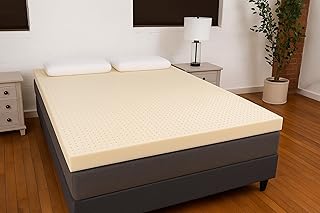
- Match feel to how you park: Rigs settle slightly off-level more often than not. Side sleepers generally want medium with a gel memory layer to keep hip pressure honest; back and stomach sleepers do better on firm high-density foam that resists the slow drift toward the low side.
- Read the cover as a light surface: A pale quilted knit diffuses a 2400K reading lamp into soft, even glow. Dark water-resistant vinyl swallows it, so you’ll need more lumens for the same perceived brightness. Organic cotton breathes best; water-resistant makes sense over a wet bath or beneath a roof vent.
- Plan for compression and cure: Most custom slabs arrive vacuum-rolled. Budget 24 to 72 hours for full expansion and let the berth air out with the vent open before you dress it. Confirm the return policy up front, since made-to-order goods are usually final sale.
What's inside
An RV berth is rarely a rectangle. It tucks under a slide-out, dodges a wheel well, tapers toward a bulkhead, or sits in a corner where one edge runs a good two inches shy of the other. Factory foam is usually four inches of something that gave up in its second season, and every off-the-shelf replacement you measure against it misses by just enough to matter. In the work I do, the sleeping nook is the most atmosphere-sensitive part of any rig — it’s the one space where light, texture, and surface height all land within arm’s reach of your face — and a mattress that fits badly throws off every part of that.
This guide looks at custom-cut RV mattresses from the angle I know best: how the slab you choose changes the way the berth reads at night. Loft height sets your sconce and reading-light geometry. Cover fabric decides whether warm light pools softly or bounces flat and clinical. Edge profile determines whether you can run a rope light under the platform without it grazing foam. Below are six made-to-order options worth specifying, plus the measurements and material notes that keep a custom order from becoming an expensive mistake.
As an Amazon Associate we earn from qualifying purchases.


How to Choose a Custom RV Mattress (2026)
- Template before you measure: Lay butcher paper or cardboard in the berth and trace the actual footprint, corners and radii included. Send that geometry, not three numbers. Note which corner is which relative to the door, since a mirrored cut is unusable.
- Set loft deliberately: Height is a design decision, not a comfort afterthought. Going from 5″ to 10″ raises your shoulder line five inches, which can push a wall sconce out of its useful cone and put a window sill below your sightline. Measure from platform to any fixed light before committing.
- Match feel to how you park: Rigs settle slightly off-level more often than not. Side sleepers generally want medium with a gel memory layer to keep hip pressure honest; back and stomach sleepers do better on firm high-density foam that resists the slow drift toward the low side.
- Read the cover as a light surface: A pale quilted knit diffuses a 2400K reading lamp into soft, even glow. Dark water-resistant vinyl swallows it, so you’ll need more lumens for the same perceived brightness. Organic cotton breathes best; water-resistant makes sense over a wet bath or beneath a roof vent.
- Plan for compression and cure: Most custom slabs arrive vacuum-rolled. Budget 24 to 72 hours for full expansion and let the berth air out with the vent open before you dress it. Confirm the return policy up front, since made-to-order goods are usually final sale.
The Best Custom RV Mattresses (2026) Reviewed
Sydney Custom RV and Van Mattress
Built to order in the USA for DIY van and truck conversions, this one handles genuinely awkward shapes — angled cuts, notches, and short-side tapers — without much fuss. It’s the pick when your build is one-of-a-kind and you need the foam to follow your plywood rather than the reverse.
Roam-M2 RV 10″ Custom Gel Memory Foam
Ten inches of luxury medium with a gel memory layer, which is the closest thing here to a residential bed. Just verify overhead and sconce clearance before you order that loft: it’s a real improvement in comfort and a real change to the vertical layout of the space.
Matini Home Custom Foam Mattress & Topper
The most configurable option on the list, with firm, medium, or plush feel, optional gel memory foam, and a choice between a 100% organic cover or a water-resistant one. The organic knit is the better light surface — it takes warm lamplight beautifully — while the water-resistant version earns its place in humid or condensation-prone berths.
High Density Foam Custom Mattress
Straightforward, durable, and well suited to bunks and daybeds where high-density support matters more than plushness. The machine-washable zipper cover is the practical star here, which anyone who has cleaned up after a kid or a dog in a confined space will appreciate.
Kogler 7″ Gel-Infused Memory Foam RV Mattress
A firm 7″ slab with a breathable cloth cover, sized for bunks and travel trailer berths and shipped compressed in a box. The gray cloth reads neutral under both warm and cool fixtures, so it won’t fight whatever lighting scheme you’ve already built around it.
Frequently Asked Questions
How precise do my measurements need to be?
Within a quarter inch. Foam has some give, but too tight and the slab bows upward at the center; too loose and you get a cold gap along the wall. Template the shape rather than trusting the old mattress, which has likely compressed and shrunk.
Does mattress thickness really affect my lighting?
Yes, more than most people expect. Adding four inches of loft moves your head into a different part of a fixed sconce’s beam, often shifting the light from your book to your eyes. If you’re going thicker, plan on relocating the fixture or switching to a clamp-on or gooseneck reading light you can aim.
Should I choose a water-resistant or breathable cover?
Breathable if you’re mostly in dry climates or the berth has good airflow underneath. Water-resistant if you camp in humidity, park near water, or the platform is solid plywood with no ventilation, where condensation collects under the mattress.
Is a gel memory foam add-on worth it in an RV?
For side sleepers and anyone with hip or shoulder complaints, yes. It also helps on nights when the rig isn’t perfectly level. Skip it if you sleep hot in a poorly insulated trailer and prefer a firmer, more responsive surface.
Final Thoughts
For most conversions, the Matini Home Custom Foam Mattress & Topper offers the widest range of feel and cover choices, which matters when you’re coordinating a mattress with an existing lighting and finish scheme. If comfort leads and you have the vertical room, the Roam-M2 10″ Gel Memory Foam is the most residential-feeling option here, while the Kogler 7″ Gel-Infused Memory Foam is the sensible, well-priced answer for bunks and tighter berths.