7 Best September Bulbs for Spring Blooms (November 2026)
Plant these bulbs in September for a bright spring garden. Compare tulip, daffodil, hyacinth, crocus and allium packs, with depth, timing and care tips.
September is the month when a spring garden is decided, not in spring itself. The bulbs that go into cool soil now spend winter building roots, and the ones planted late or left in a bag until the ground hardens simply never catch up. Choosing well means matching each bulb type to the spot where it will actually grow, rather than buying the prettiest picture on the pack.
OUR TOP PICK
Willard & May Complete Spring Flower Bulb Garden, 75 Bulbs
This guide is for gardeners planting beds, borders and containers this fall, for first-time bulb buyers who want a simple first planting, and for anyone filling a bare patch after summer. Every pack below is a genuine fall-planted flower bulb sold on Amazon, chosen from the bulb type, pack size and planting details shown on its product page.
Quick Picks
As an Amazon Associate we earn from qualifying purchases.
Product
Best for
Key spec from title
Willard & May Complete Spring Flower Bulb Garden, 75 bulbs
Filling a whole bed in one order
25 tulips, 25 daffodils and 25 hyacinths
GardeningProducts4Less White Lion Daffodil, 10 bulbs
A small white drift along a path
10 large white narcissus bulbs
Willard & May Mixed Color Hyacinth, 12 bulbs
Fragrant colour near a door or patio
12 mixed-colour fragrant hyacinths
Daylily Nursery Jumbo Crocus Mixture, 40 bulbs
Early colour scattered through lawn edges
40 jumbo crocus corms
Daylily Nursery Purple Sensation Allium, 20 bulbs
Tall purple globes at the back of a border
20 bulbs with 4 to 6 inch flower heads
How to Choose
Start with your planting window, not the flower
September planting works because the soil is still warm enough for roots to form while the air cools, giving bulbs weeks to settle before the ground freezes. A pack that lists September through December as its planting period is built for exactly this job, while a bulb with no stated fall window deserves a closer look at its details before ordering. In warm regions where the ground never freezes, the same bulbs still need a cold period, so check whether your zone gives them enough chill. Buying in September also means the widest choice of varieties, since popular packs sell through as autumn goes on.
Match bulb size and depth to the spot
Large bulbs such as tulips, daffodils and hyacinths go deeper than small ones such as crocus, and the usual rule is a depth about three times the height of the bulb. That matters when a bed sits over shallow soil, a container has limited depth, or a lawn edge only allows a shallow hole. Daffodils in this guide, for example, are planted 4 to 6 inches deep and spaced 4 to 6 inches apart, which tells you at a glance how much room a drift will take. Measure the container or bed before ordering, and skip any pack whose depth needs exceed what the spot can give.
Plan the bloom sequence across spring
A garden planted with one bulb type flowers for a few weeks and then goes quiet, while a mix of early, mid-season and late types stretches colour from the first crocus to the last tulip. Crocus opens first, hyacinths and daffodils follow, and tulips and alliums close the season, so a September order should cover more than one point on that timeline. The mixed 75-bulb pack in this guide is built around that idea, with hyacinths early, daffodils in the middle and tulips last. If you buy single-type packs, pick at least one early and one late bloomer.
Check hardiness, sun and drainage before ordering
Bulbs rot in wet soil faster than they fail from cold, so a sunny spot with drainage that clears after rain matters more than almost any other factor. Most of the packs here want full sun or partial sun, and several list hardiness zones on the product page, so compare those zones with your own before buying. Heavy clay beds need grit or compost worked in, and containers need drainage holes that actually drain. A bulb that suits your zone and your sun will come back year after year, while one planted in shade and standing water may flower once and vanish.
The 5 Best Options
Willard & May Complete Spring Flower Bulb Garden, 75 Bulbs
Top Pick
Willard & May Complete Spring Flower Bulb Garden, 75 Bulbs
Best for: Filling a whole bed or several containers with one September order.
75 bulbs: 25 tulips, 25 daffodils and 25 hyacinths
Expected planting period: September through December
Filling a whole bed or several containers with one September order.
Watch out for
The listing gives a bloom window that runs wider than the early to late spring succession described in its own text, so plan around the succession described, not the broad window.
This is the simplest way to plant a full spring bed in September, because one box covers three classic bulb types and staggers them across the season. The pack holds 25 tulip bulbs, 25 daffodil bulbs and 25 hyacinth bulbs, described on the product page as blooming in succession from early to late spring, with hyacinths first, daffodils in the middle and tulips last. It suits a gardener filling a new bed, a border or several containers who does not want to work out the mix themselves.
Watch out for: The listing gives a bloom window that runs wider than the early to late spring succession described in its own text, so plan around the succession described, not the broad window.
GardeningProducts4Less White Lion Daffodil, 10 Bulbs
Runner-Up
GardeningProducts4Less White Lion Daffodil, 10 Bulbs
Best for: A small white drift along a path, in front of shrubs or in a pot by the door.
White Lion is a double daffodil with crisp white petals and a ruffled centre touched with yellow, and it suits gardeners who want a calm, pale drift rather than another row of yellow trumpets. The product page gives clear planting guidance, which makes it a good first daffodil for someone planting bulbs for the first time: plant in fall, pointy end up, 4 to 6 inches deep and 4 to 6 inches apart in well-draining soil, then water thoroughly. It flowers in early to mid spring and draws bees and butterflies into the garden.
Watch out for: Ten bulbs cover only a small area, so order more than one pack for a bed-sized display.
Willard & May Mixed Color Hyacinth, 12 Bulbs
Willard & May Mixed Color Hyacinth, 12 Bulbs
Best for: Fragrant mid-spring colour near a door, patio or path where the scent carries.
Hyacinths earn their place in a September order through scent as much as colour, and this mixed pack puts fragrant blooms where you will actually notice them, beside a path, a door or a patio seat. The bulbs are 15 to 16 centimetres in size, bloom in mid spring and reach about 12 inches tall, so they sit neatly at the front of a border or in a shallow container. The mixed colours give a varied display from a single pack, and the product page notes the bulbs are organic and suited to outdoor planting.
Watch out for: Buyer questions on the listing report that these bulbs are not pre-chilled, so they suit outdoor fall planting rather than indoor forcing.
Daylily Nursery Jumbo Crocus Mixture, 40 Bulbs
Daylily Nursery Jumbo Crocus Mixture, 40 Bulbs
Best for: Early spring colour scattered through lawn edges, rock gardens and border fronts.
Crocus is the first colour of spring, and this 40-bulb mixture is the pack to reach for when you want that early lift scattered through lawn edges, under trees or along a border front. The mixture combines Crocus vernus and Crocus flavus, the larger spring crocus types, and the product page marks it for fall planting. Forty bulbs is enough to dot a whole stretch of ground rather than a single clump, and crocus naturalises well, returning in greater numbers where it is happy.
Watch out for: Crocus corms are small and easy to plant too shallow, so set each one at about three times its own height and firm the soil over it.
Daylily Nursery Purple Sensation Allium, 20 Bulbs
Daylily Nursery Purple Sensation Allium, 20 Bulbs
Best for: Tall purple globes at the back of a border or rising above lower spring bulbs.
Purple Sensation is the architectural bulb of the group, sending up tall stems topped with round purple globes that hold their shape long after the colour fades. The flower heads measure 4 to 6 inches across on stems 28 to 32 inches tall, so this pack belongs at the back of a border or among lower spring bulbs it can rise above. Alliums are deer resistant and easy to grow, and the dried heads keep their structure into summer, which extends the display well past bloom time.
Watch out for: Allium leaves fade before the flowers open, so plant low growers in front to hide the dying foliage.
Which One Fits Your Situation
You want one order that covers the whole spring
Take the Willard & May 75-bulb garden pack. Its three varieties are chosen to flower in succession, so a single September planting gives hyacinths, then daffodils, then tulips without any further planning. It is the right pick when the bed is empty and you want the season handled in one box.
You have a small space or a first planting
Take the White Lion daffodils or the mixed hyacinths. Ten daffodils or twelve hyacinths fit a container, a window box or a short border edge, and both packs give exact planting depth and spacing on the product page. Start small, learn the rhythm of fall planting, and add more types next September.
You want the earliest possible spring colour
Take the Daylily Nursery crocus mixture. Crocus flowers ahead of every other bulb here, so a September planting puts colour in the garden while later bulbs are still underground and the rest of the beds are bare. Scatter the forty corms through lawn edges and border fronts for the strongest effect, and let them naturalise so the display grows fuller each year.
You want height and structure after the first flush
Take the Purple Sensation alliums. Their tall stems and round purple heads arrive as tulips fade, and the dried heads keep their shape into summer, giving the border a second act. Plant them behind daffodils and hyacinths so the height lands where the border needs it most, and use low growers in front to hide the fading allium leaves.
Common Mistakes
Planting bulbs upside down: the pointed end goes up, and a bulb planted flat or inverted wastes its stored energy finding the surface.
Planting in soil that stays wet: bulbs rot in standing water, so add grit or compost to heavy clay and check that containers drain.
Planting too shallow: a bulb set at less than three times its own height is an easy target for frost heave and hungry animals.
Buying one bulb type only: a single variety flowers for a few weeks, while a mix of early, mid-season and late types stretches colour across spring.
Waiting until the ground is frozen: September planting gives roots time to form, and bulbs set into frozen soil cannot establish before winter.
Frequently Asked Questions
Is September too early to plant spring bulbs?
September is a good time to plant in most regions, because the soil is still warm enough for roots to form while the air cools. The mixed pack in this guide lists September through December as its planting period. In warm zones, bulbs still need a cold period, so check your hardiness zone before ordering.
How deep should I plant tulip and daffodil bulbs?
Plant large bulbs at about three times their own height, which works out to roughly 6 inches deep for tulips and 4 to 6 inches deep for the daffodils in this guide. Space daffodils 4 to 6 inches apart so each bulb has room to grow. Small bulbs such as crocus go shallower, at about three times the corm height.
Which bulbs come back every year?
Daffodils, crocus and alliums naturalise well and usually return in greater numbers where drainage and sun suit them. Tulips and hyacinths can return too, though their display often fades after the first year in warm or wet soil. Leave the foliage to die back naturally after flowering, since the leaves feed next year’s bloom.
Can I plant these bulbs in containers?
Yes, and hyacinths and crocus suit containers particularly well because of their size. Use a pot with drainage holes, fill it with free-draining compost, and plant at the same depth as in the ground. Containers freeze harder than beds, so move them to a sheltered spot in the coldest weeks.
H
Home Beautiful Design Editorial Team
We compare specs, materials and verified owner reviews before a product earns a spot. Rankings are never paid.
Affiliate disclosure. As an Amazon Associate we earn from qualifying purchases at no extra cost to you. Prices accurate as of the date shown.
Discover the best reed diffuser for living rooms, bedrooms, and bathrooms. Compare five elegant, long-lasting reed diffusers for inviting home fragrance.


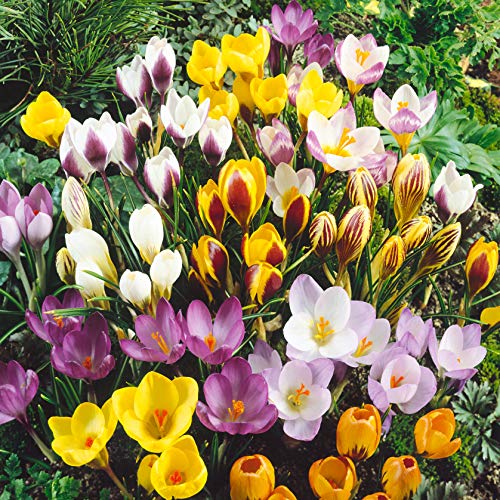 Daylily Nursery Jumbo Crocus Mixture, 40 Bulbs
 Daylily Nursery Purple Sensation Allium, 20 Bulbs