Key takeaways
- Comfort layer depth: Side sleeping needs at least three inches of conforming foam above the support core so the shoulder can sink while the ribcage stays level. Twelve to fourteen inches of total height gives you that headroom; eight-inch builds run firmer and suit lighter frames or guest rooms better.
- Zoned support: Look for a mattress that softens under the shoulder and firms under the lumbar. Five-zone constructions are doing real geometric work here, not marketing, and they’re the difference between an aligned spine and a hammock.
- Hinge alignment on the base: When the head section lifts, the fold should land at your waist, not your shoulder blades. Test the articulation with your own torso length before you commit, especially on a split configuration where each side moves independently.
- Under-bed light temperature and shielding: Warm output around 2700K or lower keeps melatonin undisturbed; cool white strips do the opposite. Just as important, the LEDs should sit recessed behind a lip so you see the glow on the floor and never the diode itself. Unshielded emitters at mattress height sit right in a side sleeper’s field of view.
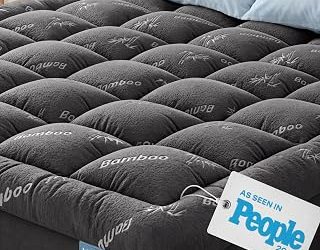
- Cooling that survives contact: Memory foam traps heat exactly where your shoulder and hip press deepest. Gel infusions, open-cell structures, and breathable covers all help, and a CertiPUR-US certification tells you the foam has been tested for emissions.
What's inside
Side sleepers carry a specific burden: the shoulder and hip take almost the entire load, and the spine has to thread a straight line between them. Get the surface wrong and you wake with a numb arm or a tight lower back. Get the base wrong and you never find the angle that lets your hip drop into the mattress instead of perching on it. I come at this from lighting and ambience design, where I spend my days shaping how a room feels after dark, and the bedrooms I work in have taught me something the spec sheets rarely mention: the bed is the largest light-emitting surface most people interact with at night. Under-bed strips, remote backlights, and control panels all sit within a few feet of your eyes, and side sleepers, who face the mattress edge rather than the ceiling, get an unusually direct view of every one of them.
This guide reads adjustable beds the way I’d read a lighting plan for a bedroom: pressure relief and spinal alignment first, then the quality of the light the bed itself throws into the room. Below you’ll find the models I’d actually recommend for a side sleeper in 2026, a short checklist to steer your own shortlist, and answers to the questions that come up most often once people start comparing bases.
As an Amazon Associate we earn from qualifying purchases.




How to Choose an Adjustable Mattress For Side Sleepers (2026)
- Comfort layer depth: Side sleeping needs at least three inches of conforming foam above the support core so the shoulder can sink while the ribcage stays level. Twelve to fourteen inches of total height gives you that headroom; eight-inch builds run firmer and suit lighter frames or guest rooms better.
- Zoned support: Look for a mattress that softens under the shoulder and firms under the lumbar. Five-zone constructions are doing real geometric work here, not marketing, and they’re the difference between an aligned spine and a hammock.
- Hinge alignment on the base: When the head section lifts, the fold should land at your waist, not your shoulder blades. Test the articulation with your own torso length before you commit, especially on a split configuration where each side moves independently.
- Under-bed light temperature and shielding: Warm output around 2700K or lower keeps melatonin undisturbed; cool white strips do the opposite. Just as important, the LEDs should sit recessed behind a lip so you see the glow on the floor and never the diode itself. Unshielded emitters at mattress height sit right in a side sleeper’s field of view.
- Cooling that survives contact: Memory foam traps heat exactly where your shoulder and hip press deepest. Gel infusions, open-cell structures, and breathable covers all help, and a CertiPUR-US certification tells you the foam has been tested for emissions.
The Best Adjustable Mattress For Side Sleepers (2026)s Reviewed
Sven & Son Classic Adjustable Base with 14″ Hybrid
The medium-soft hybrid pairs a generous foam comfort layer with pocketed springs, which is close to ideal for hip-and-shoulder relief without the sinking feeling pure foam can produce. Its under-bed lighting is diffuse and low-mounted, throwing a soft wash across the floor that reads as a wayfinding cue rather than a glare source.
Celestial Aurora Adjustable Base with 8″ Gel Memory Foam, Split King
A firm eight-inch build is the outlier here and works best for lighter side sleepers or couples who need genuinely independent articulation. The split king lets one partner sit up and read at their own incline while the other stays flat, and the memory position presets make that a one-button routine.
ESHINE Split King 3000 Series with 12″ Hybrid
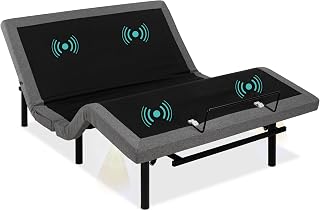
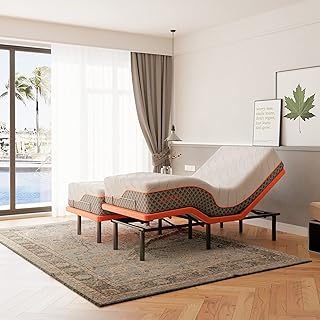
The most fully specified option on this list: upholstered frame, massage motors, wireless remote, and a 12-inch medium hybrid that hits the sweet spot for most side sleepers. The integrated night light is the detail I keep pointing people toward, since a shielded low-level source at floor height means you can navigate at 3 a.m. without switching on an overhead and resetting your circadian clock.
Sweetnight CoolNest 14″ King
If you sleep hot on your side, this is the mattress to pair with a base you already own. The five-zone ergonomic layout gives the shoulder somewhere to go while holding the waist steady, and the cooling construction keeps the deepest contact points from turning into heat pockets.
Sleepmax 14″ Queen Hybrid
A well-judged mattress-only pick with pressure-relieving hybrid layers and a fiberglass-free build, backed by a 365-night trial that gives you a full seasonal cycle to judge it. It flexes willingly on an adjustable base, which not every bed-in-a-box does.
Frequently Asked Questions
Do side sleepers actually benefit from an adjustable base?
Yes, though differently than back sleepers. A slight head lift eases reflux and snoring, and a modest foot raise takes tension out of the hip flexors. Most side sleepers settle on gentler angles than they expect.
How firm should a side sleeper’s mattress be?
Medium to medium-soft suits most people, since the shoulder and hip need to enter the surface rather than rest on top of it. Firmer builds work for lighter sleepers or those who shift onto their back through the night.
Are under-bed lights worth having?
They earn their place if they’re warm and properly shielded. A dim, low-mounted glow lets you get up without full room light, which protects your sleep pressure far better than a bedside lamp or a phone screen.
Can I use my existing mattress on a new adjustable base?
Only if it’s designed to flex. All-foam and most pocketed-coil hybrids articulate fine; traditional innersprings with rigid perimeter wire generally do not.
Final Thoughts
For most side sleepers I’d start with the ESHINE Split King 3000 Series, which combines a well-balanced 12-inch hybrid with the best-integrated ambient lighting of the group, or the Sven & Son Classic if you want a similar feel in a single-mattress configuration. If you already have a base you’re happy with, the Sweetnight CoolNest is the smarter spend, especially if heat is what wakes you rather than pressure.