Key takeaways
- Shoulder-zone give: A side sleeper needs the top third of the mattress to yield deeply while the waist stays supported. Hybrids with a plush comfort cap or a medium-soft gel foam handle this better than uniformly firm builds, which force the shoulder to prop the torso up.
- Light direction, not light output: Under-bed lighting mounted to face the floor is the only configuration worth having. It washes a path, reveals obstacles, and never enters your line of sight. Fixtures aimed outward or sideways create glare pools that defeat the purpose.
- Warm colour temperature: Look for a warm amber or soft white glow, roughly in the 2200K–2700K range. Cool white and any hint of blue suppress melatonin fastest and are the wrong tool for a bedroom floor at night.
- Pillow tilt and lumbar articulation: Beyond head and foot lift, a pillow-tilt hinge lets you angle the head without collapsing the neck forward, and lumbar support fills the gap under the waist that side sleeping opens up. These are the features that separate a genuinely therapeutic base from a recliner.
- Motor noise and remote backlighting: A quiet motor matters when a partner sleeps beside you. A dimly backlit remote matters more than people expect, because a bright control screen is a floodlight held six inches from your face.
What's inside
Side sleepers carry a particular burden: the shoulder and hip take nearly all the load, and the spine has to find neutral across a curve that changes every time you roll. An adjustable base helps by letting you unload the shoulder with a slight head rise and take tension out of the lower back with a knee break. But there is a second problem most furniture guides skip entirely, and I spend my working life on it: the light in the room at 2 a.m. Getting up to find the bathroom means a wall switch, a phone screen, or a lamp at the bedside, and every one of those delivers a hard slap of illumination straight into a dark-adapted eye. Melatonin production stalls. You come back to bed alert, roll onto the sore shoulder, and the night is spent.
This guide looks at 2026’s strongest adjustable bed and mattress combinations through both lenses. I assess how each base and comfort layer treats a side sleeper’s pressure points, and I assess the lighting: where the fixture sits, what direction the light travels, how much of it reaches eye height, and whether the glow feels like a low ember or a fluorescent corridor. The picks below all bundle a mattress, so you are not guessing at compatibility, and most include some form of integrated ambient light. They are not equally well designed.
As an Amazon Associate we earn from qualifying purchases.




How to Choose a Adjustable Bed For Side Sleepers (2026)
- Shoulder-zone give: A side sleeper needs the top third of the mattress to yield deeply while the waist stays supported. Hybrids with a plush comfort cap or a medium-soft gel foam handle this better than uniformly firm builds, which force the shoulder to prop the torso up.
- Light direction, not light output: Under-bed lighting mounted to face the floor is the only configuration worth having. It washes a path, reveals obstacles, and never enters your line of sight. Fixtures aimed outward or sideways create glare pools that defeat the purpose.
- Warm colour temperature: Look for a warm amber or soft white glow, roughly in the 2200K–2700K range. Cool white and any hint of blue suppress melatonin fastest and are the wrong tool for a bedroom floor at night.
- Pillow tilt and lumbar articulation: Beyond head and foot lift, a pillow-tilt hinge lets you angle the head without collapsing the neck forward, and lumbar support fills the gap under the waist that side sleeping opens up. These are the features that separate a genuinely therapeutic base from a recliner.
- Motor noise and remote backlighting: A quiet motor matters when a partner sleeps beside you. A dimly backlit remote matters more than people expect, because a bright control screen is a floodlight held six inches from your face.
The Best Adjustable Bed For Side Sleepers (2026)s Reviewed
Sven & Son Classic Split King
The medium-soft hybrid pairs beautifully with side sleeping, letting the shoulder sink into the spring-and-foam interface while the zero-gravity preset takes the strain off the hip. Its downward-facing under-bed strip is the most tastefully handled lighting on this list, throwing a soft floor wash that reads as ambience rather than utility.
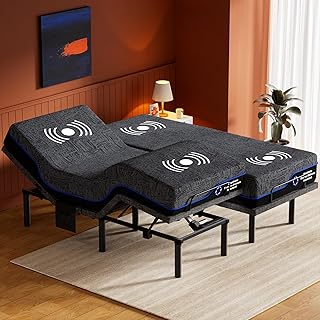
Amada Split King Set
Split-king independence means one side can sit at a reading angle while the other stays flat, and the cooling gel layer is genuinely useful for side sleepers who overheat where their shoulder meets the mattress. The LED night light is functional but brighter and cooler in tone than I would specify, so consider a dimmable lamp elsewhere in the room to soften the contrast.
Sven & Son Bliss Queen
This is the most thoroughly engineered base here for anyone with shoulder or lower-back complaints: pillow tilt, dedicated lumbar lift, and massage on top of full head-and-foot articulation. The lighting is the same warm, floor-directed treatment as the Classic, which makes the whole bed feel like a considered piece of furniture rather than a machine.
Amada Queen Set
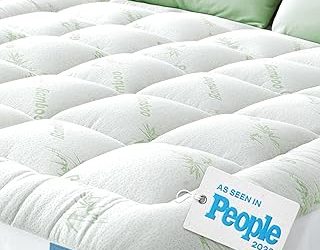
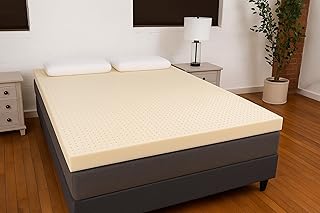
A sensible single-sleeper or shared-preference alternative to the split king, with the same medium-firm cooling foam and wireless control. Side sleepers on the heavier end will appreciate the firmer support core, though lighter sleepers may want a topper to open up shoulder clearance.
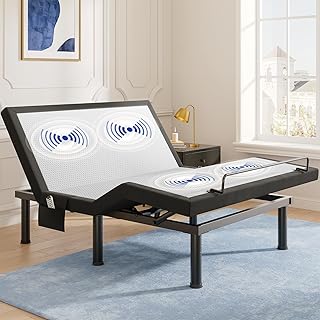
Tami T600 Queen
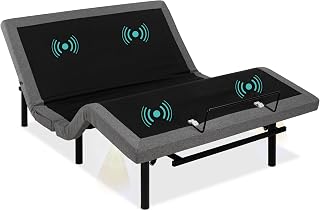
A base-only option for anyone who already owns a mattress they like, and the quietest motor in this group by a comfortable margin. Practical touches stack up well: dual-side USB, side pockets, five-minute assembly, and a nightlight positioned low enough to stay out of your eyes.
Frequently Asked Questions
Does under-bed lighting actually help sleep quality?
Indirectly, yes. Low-level, warm, floor-aimed light lets you navigate without triggering the alerting response that overhead or bedside lighting provokes, so you fall back asleep faster after a night waking.
Can I use my own mattress on an adjustable base?
Most foam and hybrid mattresses flex fine. Traditional innerspring units with rigid perimeter wire generally do not, and mattresses over about 12 inches can resist articulation at the head.
Is split king worth the extra cost?
If you share the bed and disagree on angles, it is the single best upgrade available. If you sleep alone or in lockstep with your partner, a queen saves money and simplifies bedding.
Will the head-up position hurt my shoulder?
A modest rise of five to ten degrees usually reduces shoulder load by shifting weight toward the ribcage. Steeper angles narrow the shoulder gap and can make things worse, which is where pillow tilt earns its place.
Final Thoughts
For side sleepers who want both therapeutic articulation and lighting that respects a dark-adapted eye, the Sven & Son Bliss Queen is the most complete package, with pillow tilt and lumbar lift doing real work on shoulder and hip pressure. The Sven & Son Classic Split King is the pick for couples, offering the same warm floor-level glow across two independent sleep surfaces, while the Tami T600 makes the most sense if you already own a mattress you trust and simply want a quiet, well-lit base beneath it.