Key takeaways
- Tooth count: Blades with 80 to 100 teeth generally produce smoother crosscuts and cleaner-looking edges, while lower counts remove material faster and suit rougher work.
- Tooth geometry: Alternate-top-bevel designs are a strong choice for crosscutting wood because their alternating tooth angles help limit splintering along visible edges.
- Kerf: A thin-kerf blade wastes less wood and may reduce cutting resistance, but confirm that its specifications suit your saw and the material you plan to cut.
- Carbide quality: Dense, accurately ground carbide tends to stay sharp longer and produces more consistent surfaces—important when a finish will reveal every uneven highlight.
- Project type: Match the blade to the job. Fine-finish blades favor furniture faces and trim, while general-purpose models offer a useful compromise for mixed cuts and thicker stock.
What's inside
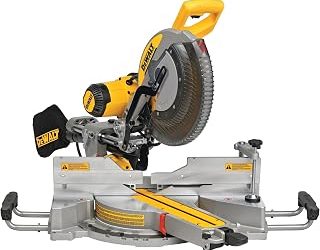
Choosing a 12-inch miter saw blade is less about chasing the highest tooth count and more about controlling how a cut surface receives light. A rough edge can catch highlights unevenly, exaggerate tiny splinters, and make a carefully finished tabletop look dull or unfinished. The wrong blade can also leave burn marks, tear-out, or a kerf wider than your project demands.
This guide focuses on blades suited to home furniture work, from crisp trim and cabinet parts to broader crosscuts in hardwood and plywood. We’ll look at tooth geometry, carbide quality, kerf, and finish quality—then translate those details into the visual results you’ll see under overhead lighting, task lamps, and natural daylight.
As an Amazon Associate we earn from qualifying purchases.


How to Choose a 12in Miter Saw Blade (2026)
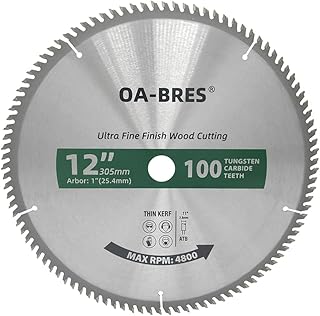
- Tooth count: Blades with 80 to 100 teeth generally produce smoother crosscuts and cleaner-looking edges, while lower counts remove material faster and suit rougher work.
- Tooth geometry: Alternate-top-bevel designs are a strong choice for crosscutting wood because their alternating tooth angles help limit splintering along visible edges.
- Kerf: A thin-kerf blade wastes less wood and may reduce cutting resistance, but confirm that its specifications suit your saw and the material you plan to cut.
- Carbide quality: Dense, accurately ground carbide tends to stay sharp longer and produces more consistent surfaces—important when a finish will reveal every uneven highlight.
- Project type: Match the blade to the job. Fine-finish blades favor furniture faces and trim, while general-purpose models offer a useful compromise for mixed cuts and thicker stock.
The Best 12in Miter Saw Blade (2026)s Reviewed
DEWALT DWA112100 12-Inch 100-Tooth Blade
The DEWALT DWA112100 is aimed squarely at fine crosscuts, with a 100-tooth layout that favors a polished-looking edge on trim, hardwood components, and visible joinery. It is a sensible choice when your furniture will sit beneath directional lighting, where torn fibers can cast distracting shadows along the cut.
Diablo D1280X 12-Inch 80-Tooth Blade
Diablo’s D1280X combines an 80-tooth fine-finish configuration with hi-density carbide, making it a versatile option for repeated woodworking cuts. Its balance of smoothness and cutting efficiency suits projects where you want clean edges without making every pass feel unnecessarily slow.
WEN BL1280 12-Inch 80-Tooth Blade
The WEN BL1280 is designed for fine-finish work on both miter and table saws, giving it useful flexibility in a small workshop. Its 80 teeth make it a practical fit for furniture parts that need a neat, presentation-ready edge before sanding, edging, or clear coating.
FOXBC 12-Inch 100-Tooth Ultimate Finish Blade
FOXBC’s 100-tooth blade targets a highly polished finish on wood, making it appealing for delicate trim, face frames, and decorative components. The dense tooth pattern prioritizes surface refinement, so it is best reserved for tasks where the appearance of the cut matters more than maximum speed.
Freud LU86R012 12-Inch 48-Tooth Thin-Kerf Blade
The Freud LU86R012 takes a different approach with 48 teeth and a thin-kerf general-purpose design. It is a strong all-rounder for workshop users who move between sizing lumber and making cleaner furniture cuts, especially when reduced material waste and easier feeding are priorities.
Frequently Asked Questions
Is a 100-tooth blade always better for furniture?
Not always. A 100-tooth blade can leave an exceptionally refined crosscut, but it may cut more slowly and is not automatically the best choice for thick stock, rip cuts, or general construction work. Choose based on the material and the visibility of the finished edge.
What blade is best for a smooth miter cut?
An 80- or 100-tooth fine-finish blade with suitable ATB geometry is usually a good starting point. A sharp blade, a properly aligned saw, and steady support for the workpiece are equally important; even an excellent blade can produce tear-out when the setup is unstable.
Can these blades cut plywood and MDF?
Fine-finish wood blades can generally handle plywood and many wood-based panels, but always check the manufacturer’s material guidance. Panels with delicate veneers benefit from a sharp, high-tooth-count blade, while MDF can create substantial dust and should be cut with effective extraction and suitable personal protection.
How often should a miter saw blade be replaced?
Replace or professionally sharpen a blade when cuts become visibly rough, require excessive force, produce recurring burn marks, or begin to wander. Cleaning pitch and resin from the teeth can restore performance, but it cannot correct chipped carbide or a blade that has lost its geometry.
Final Thoughts
For the cleanest furniture-facing edges, the DEWALT DWA112100 and FOXBC 100-tooth blade are strong fine-finish candidates, while the Diablo D1280X offers a compelling balance of smoothness and versatility. If your workshop handles a wider range of cuts, the Freud LU86R012 is the more adaptable choice—particularly where thin kerf and efficient material use matter.