Key takeaways
- BTU Output vs. Space Size: A 40,000–50,000 BTU unit comfortably covers a standard 15×15-foot patio. Match output to your actual square footage — oversized heaters waste fuel and create uncomfortably hot pockets that disrupt seating flow.
- Footprint and Visual Weight: From an ambience standpoint, a heater is furniture. A tall, column-style unit reads as an architectural element and works well as a corner anchor. Shorter or foldable models suit minimalist setups where you want warmth without visual clutter.
- Portability and Locking Mechanisms: Look for lockable wheels if you’ll reposition the heater between dining and lounging zones. For true multi-use flexibility — patio one night, camping the next — a foldable design is worth the trade-off in peak output.
- Safety Features and Certifications: CSA certification is non-negotiable. Tip-over auto shut-off and flame guards are critical when the heater sits near outdoor textiles, children, or pets. Don’t let aesthetics compromise safety.
- Durability of Finish: Powder-coated or tempered-glass exteriors hold up against UV fading and moisture. If your design palette is intentional — matte black, slate gray, ink tones — you want a heater that keeps its look through multiple seasons, not one that chalks out after one summer.
What's inside
As someone who designs outdoor living spaces for a living, I can tell you the single most overlooked factor killing a great patio design isn’t the furniture or the string lights — it’s the cold. Clients invest in layered lighting, premium cushions, and firepit-adjacent layouts, then abandon their patios by mid-October because there’s no reliable supplemental warmth. The problem isn’t just comfort; it’s that a chilly patio becomes a dead zone that no amount of amber-toned LEDs can redeem.
This guide cuts through the noise. We evaluated propane patio heaters through a designer’s lens — not just raw BTU output, but how each unit contributes to (or detracts from) the overall atmosphere of your outdoor room. From sculptural mushroom-style towers that anchor a seating arrangement to compact foldable units ideal for tight balconies, these are the best propane patio heaters for 2026, reviewed with both function and form in mind.
As an Amazon Associate we earn from qualifying purchases.


How to Choose a Propane Heater For Patio (2026)
- BTU Output vs. Space Size: A 40,000–50,000 BTU unit comfortably covers a standard 15×15-foot patio. Match output to your actual square footage — oversized heaters waste fuel and create uncomfortably hot pockets that disrupt seating flow.
- Footprint and Visual Weight: From an ambience standpoint, a heater is furniture. A tall, column-style unit reads as an architectural element and works well as a corner anchor. Shorter or foldable models suit minimalist setups where you want warmth without visual clutter.
- Portability and Locking Mechanisms: Look for lockable wheels if you’ll reposition the heater between dining and lounging zones. For true multi-use flexibility — patio one night, camping the next — a foldable design is worth the trade-off in peak output.
- Safety Features and Certifications: CSA certification is non-negotiable. Tip-over auto shut-off and flame guards are critical when the heater sits near outdoor textiles, children, or pets. Don’t let aesthetics compromise safety.
- Durability of Finish: Powder-coated or tempered-glass exteriors hold up against UV fading and moisture. If your design palette is intentional — matte black, slate gray, ink tones — you want a heater that keeps its look through multiple seasons, not one that chalks out after one summer.
The Best Propane Heater For Patio (2026) Reviews
Ignovate 50,000 BTU Outdoor Propane Patio Heater
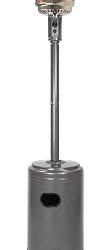
This is the powerhouse pick. At 50,000 BTUs with a powder-coated steel build, the Ignovate delivers serious warmth across a wide radius — ideal for larger patios or restaurant-style setups where you need the heat to reach the edges of the space. The easy ignition and safety shut-off keep operation simple, and the substantial height gives it strong visual presence as a design anchor point.
Amazon Basics 46,000 BTU Portable Outdoor Propane Patio Heater
Don’t sleep on the workhorse. Amazon Basics brings a 9-foot heat radius, a built-in water tank base for stability, and a muted slate gray finish that blends rather than competes with your existing palette. It’s the kind of reliable, understated heater that lets your lighting and furniture do the talking while quietly handling the thermal heavy lifting.
Pamapic 41,000 BTU Propane Patio Heater with Wheels & Cover
The included weather cover is a genuine value-add that most designers appreciate — you’re not buying a separate accessory to protect your investment. The ink-toned finish reads as sophisticated rather than utilitarian, and the lockable wheels make it easy to reposition as your evening layout shifts from dinner to drinks.
41,000 BTU Patio Heater with Tempered Glass
This one stands out visually. The tempered glass element adds a reflective quality that catches and scatters ambient light from nearby string lights or LED accents, creating a layered warmth that goes beyond temperature. It’s a genuinely design-forward choice for patios where every element is curated.
18,000 BTU Foldable Outdoor Propane Heater
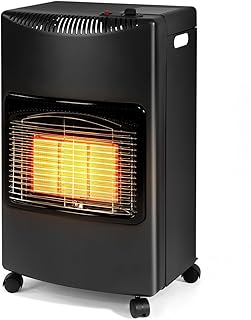
Compact and genuinely portable, this foldable unit is perfect for renters, small balconies, or multi-purpose spaces where the heater can’t live out permanently. At 18,000 BTUs it won’t dominate a large patio, but for a two-chair balcony setup flanked by warm-toned landscape lighting, it hits the sweet spot between coziness and practicality.
Frequently Asked Questions
How long does a standard 20-lb propane tank last on a patio heater?
Most 40,000–50,000 BTU patio heaters burn through a 20-lb propane tank in roughly 8–10 hours on a medium setting. Budget accordingly for full evenings of use.
Can I use a propane patio heater under a covered patio?
Partial overhead coverage can work if there is adequate ventilation and clearance from the ceiling — typically at least 10 feet of vertical space. Fully enclosed spaces are unsafe for propane combustion; always check the manufacturer’s clearance specifications.
Do propane heaters work in windy conditions?
Wind reduces heating efficiency by dispersing the warm air column. Tall mushroom-style heaters fare better in light breezes due to their heat-reflector design, while foldable or compact models are more susceptible to wind disruption.
Which finish holds up best outdoors across seasons?
Powder-coated steel is the most durable option for resisting rust, UV fading, and general weathering. Tempered glass panels add visual appeal but require occasional cleaning to maintain their reflective quality in dusty or coastal environments.
Final Thoughts
For most homeowners designing a year-round patio experience, the Ignovate 50,000 BTU offers the best balance of raw performance and visual substance. The Amazon Basics 46,000 BTU is the smart pick for buyers who want dependable heat without stealing focus from the rest of the space. And if your patio design leans more atmospheric than industrial, the 41,000 BTU Tempered Glass model earns its place as both a heater and a design piece. Pair any of these with thoughtful lighting placement, and you’ve got a patio that earns its keep well past September.